Category: Medication Guides - Page 2

Perception vs Reality: Why Generics Seem Less Effective

Perception vs Reality: Why Generics Seem Less Effective

Generics contain the exact same active ingredients as brand-name drugs, yet many people believe they’re less effective. This article explains why perception, not science, drives this belief - and how it’s costing lives and money.

15 Comments
Why Generics Are Just as Effective as Brand-Name Drugs (Despite the Myths)

Why Generics Are Just as Effective as Brand-Name Drugs (Despite the Myths)

Generics are scientifically identical to brand-name drugs but many people believe they're less effective. This perception gap leads to medication non-adherence and higher healthcare costs. FDA regulations ensure generics meet strict safety and effectiveness standards. Understanding the science and addressing misconceptions can improve health outcomes. Learn why generics are just as good and how to talk about them with your doctor.

0 Comments
Folic Acid and Prenatal Vitamins: Key Medication Interactions During Pregnancy

Folic Acid and Prenatal Vitamins: Key Medication Interactions During Pregnancy

Folic acid and prenatal vitamins are vital for pregnancy, but interactions with medications can affect their safety. Learn about key drug interactions, proper usage tips, and special considerations for conditions like epilepsy or MTHFR mutations.

12 Comments
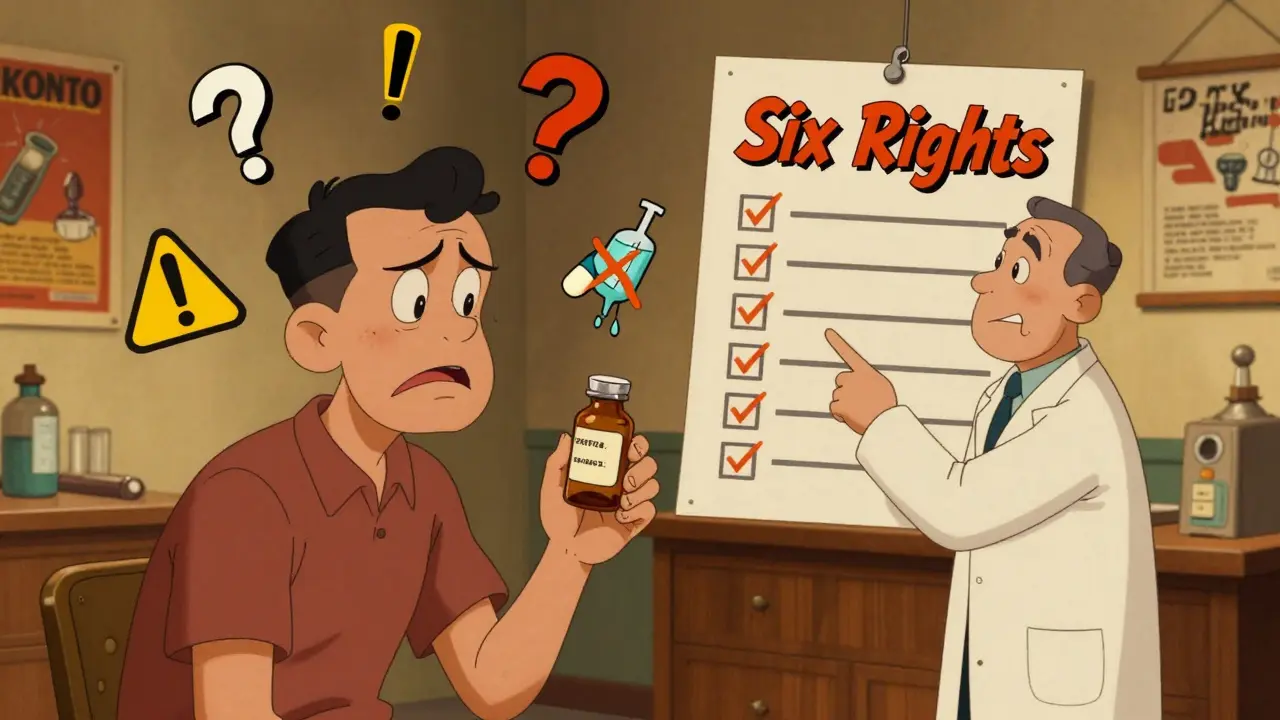
A Beginner’s Guide to Medication Safety for First-Time Patients

A Beginner’s Guide to Medication Safety for First-Time Patients

Learn the essential steps to take your medications safely as a first-time patient. Avoid common errors, store drugs properly, ask the right questions, and use tools to stay on track with your treatment plan.

15 Comments
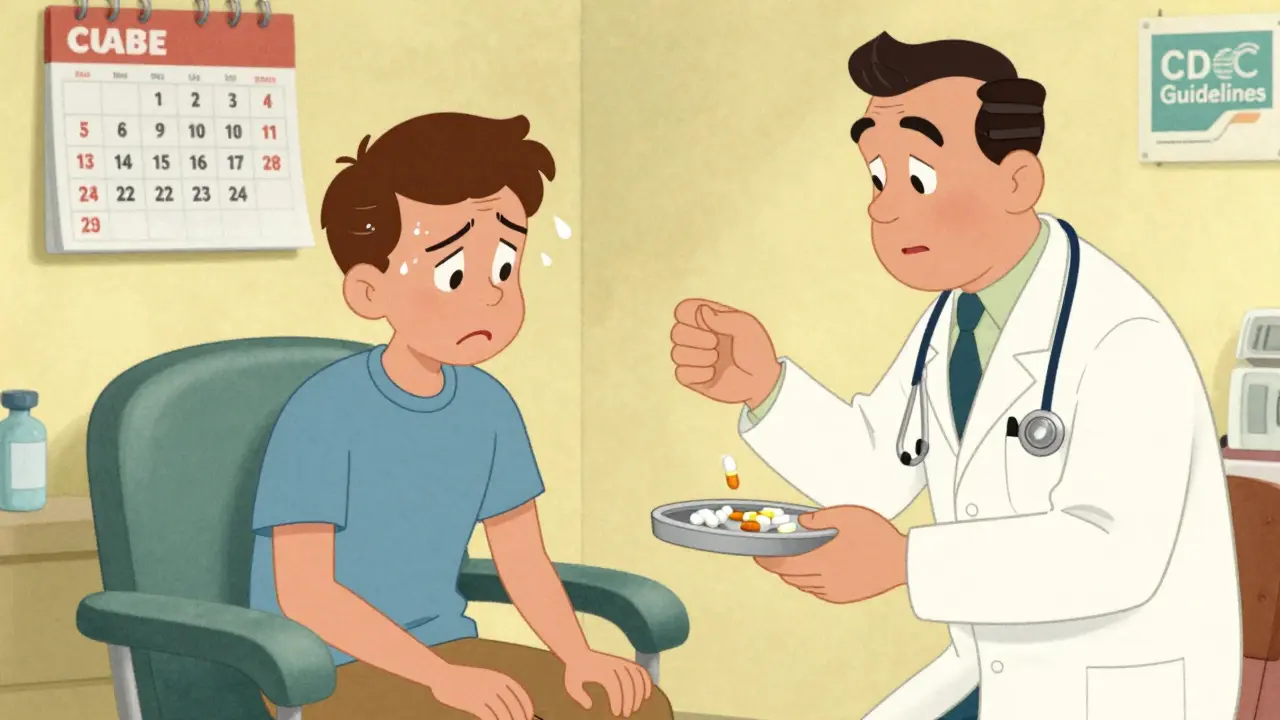
Tapering Opioids Safely: How to Reduce Side Effects and Withdrawal Symptoms

Tapering Opioids Safely: How to Reduce Side Effects and Withdrawal Symptoms

Learn how to safely reduce opioid use with evidence-based tapering strategies that minimize withdrawal symptoms and side effects. Follow CDC guidelines for slow, patient-centered reductions to protect your health and improve long-term outcomes.

0 Comments
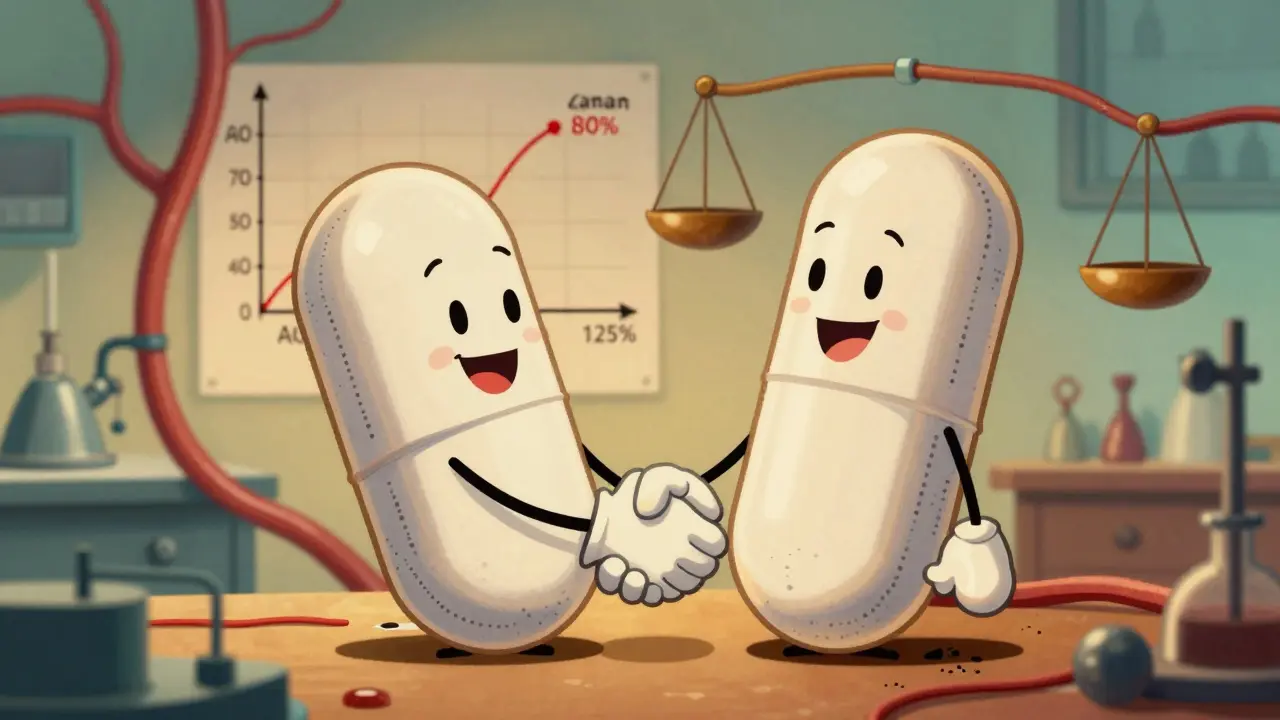
The 80-125% Rule: Understanding Bioequivalence Confidence Intervals for Generic Drugs

The 80-125% Rule: Understanding Bioequivalence Confidence Intervals for Generic Drugs

The 80-125% rule ensures generic drugs are absorbed the same way as brand-name versions. It's based on pharmacokinetic data and 90% confidence intervals - not active ingredient amounts. Learn how it works, why it matters, and what exceptions exist.

8 Comments
REM Sleep Behavior Disorder: Medications and Neurological Assessment

REM Sleep Behavior Disorder: Medications and Neurological Assessment

REM sleep behavior disorder involves acting out dreams during sleep and is often an early sign of Parkinson’s or dementia. Melatonin and clonazepam are the main treatments, but safety changes and neurological monitoring are just as important.

13 Comments
How to Prevent Accidental Double-Dosing of Medications at Home

How to Prevent Accidental Double-Dosing of Medications at Home

Accidental double-dosing of medications at home is a common and dangerous problem. Learn simple, proven strategies-including pill organizers, digital reminders, and clear communication-to prevent overdose and keep your family safe.

11 Comments
How to Talk to Your Doctor About Reducing Unnecessary Medications

How to Talk to Your Doctor About Reducing Unnecessary Medications

Learn how to talk to your doctor about reducing unnecessary medications safely and effectively. Discover proven strategies to start deprescribing conversations that lead to real results-without sounding demanding or dismissive.

9 Comments
Driving on Opioids: Legal Risks and Safety Facts You Can't Ignore

Driving on Opioids: Legal Risks and Safety Facts You Can't Ignore

Driving on opioids is illegal and dangerous-even with a prescription. Learn how these medications affect your driving, the real legal risks, and what you must do to stay safe and avoid a DUI.

13 Comments