Antidepressants – What They Are and How They Help
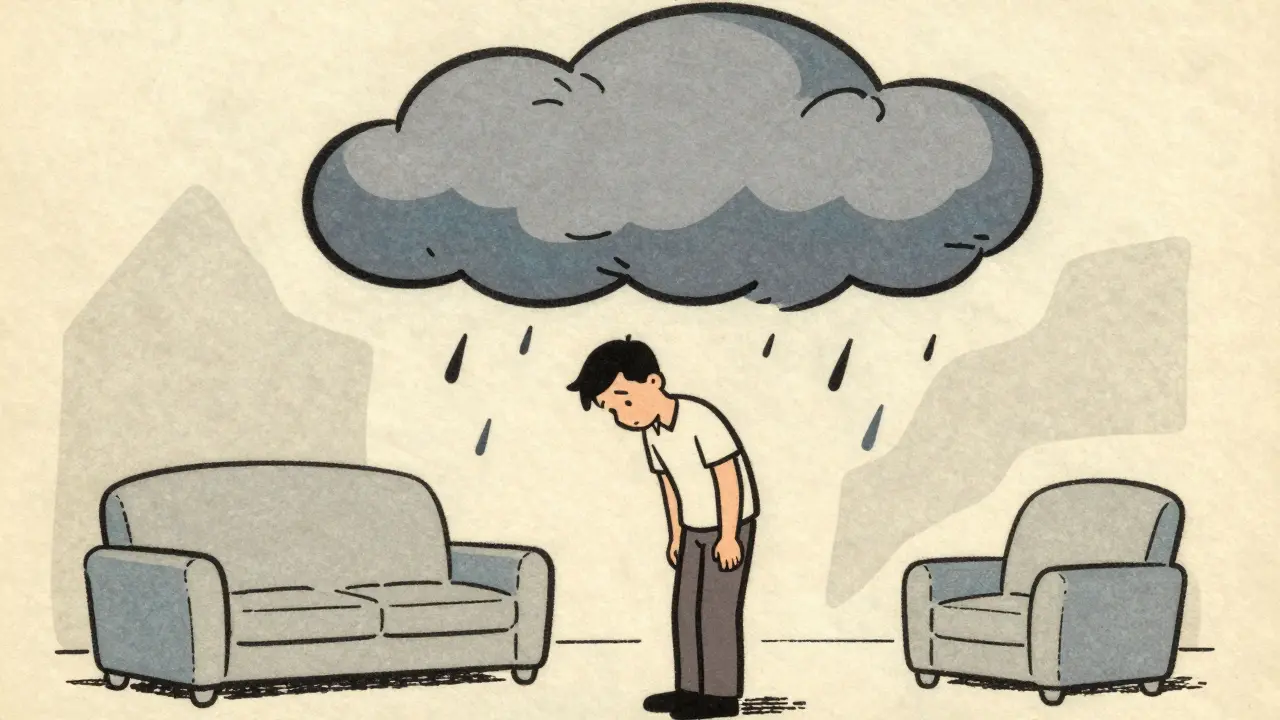
If you’ve ever felt stuck in a low mood, you’ve probably heard the word “antidepressant.” These medicines are designed to lift mood, ease anxiety, and help daily life feel manageable again. They don’t cure depression overnight, but they can create a brain environment where therapy and everyday coping work better.
Common Classes of Antidepressants
The biggest group is SSRIs (selective serotonin reuptake inhibitors) such as fluoxetine, sertraline, and citalopram. They raise serotonin levels, which often improves mood and reduces worry. SNRIs (serotonin‑norepinephrine reuptake inhibitors) like venlafaxine and duloxetine add norepinephrine to the mix, giving a slightly different boost that can help pain as well as mood.
Older drugs include tricyclic antidepressants (TCAs) such as amitriptyline and nortriptyline. They work on several brain chemicals but tend to have more side effects, so doctors usually reserve them for cases where newer meds haven’t helped. MAOIs (monoamine oxidase inhibitors) like phenelzine are the rarest. They require strict dietary rules because certain foods can cause dangerous reactions.
Practical Tips for Using Antidepressants
Start low, go slow. Most doctors will begin with a low dose and increase it over weeks. This approach reduces side‑effects like nausea, headache, or sleep trouble. If you feel nothing after a few weeks, talk to your doctor before changing the dose or switching meds.
Take your pill at the same time each day. Consistency helps your body maintain steady drug levels and makes it easier to notice any changes. If you miss a dose, take it as soon as you remember—unless it’s almost time for the next one, then skip the missed dose.
Watch for side‑effects early on. Common issues include dry mouth, mild dizziness, or changes in appetite. Most fade after a couple of weeks, but if something feels severe—like fast heartbeat, rash, or intense anxiety—call your doctor right away.
Don’t stop abruptly. Stopping too fast can cause withdrawal symptoms such as brain‑zaps, irritability, or flu‑like feelings. Gradual tapering under medical supervision is the safest way to end treatment.
Combine medication with therapy. Antidepressants work best when paired with counseling, exercise, or good sleep habits. Talk therapy helps you develop coping tools, while meds make it easier to use those tools daily.
Keep a symptom journal. Write down mood changes, sleep patterns, and any side‑effects. This record gives your doctor concrete data to fine‑tune your treatment.
Know that “feeling better” isn’t a binary switch. Expect gradual improvement—sometimes a few points on a mood scale each week. Patience and open communication with your healthcare team are key to long‑term success.
Antidepressants aren’t a one‑size‑fits‑all solution, but they’re a powerful option for many people. Understanding the different classes, how to take them safely, and what to expect can make the whole process less intimidating and more effective.