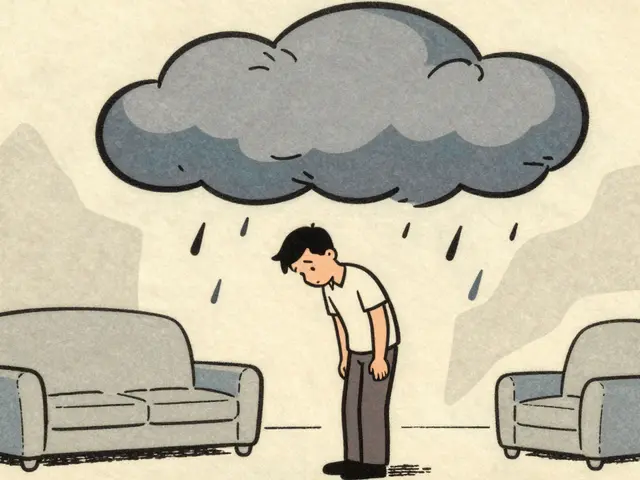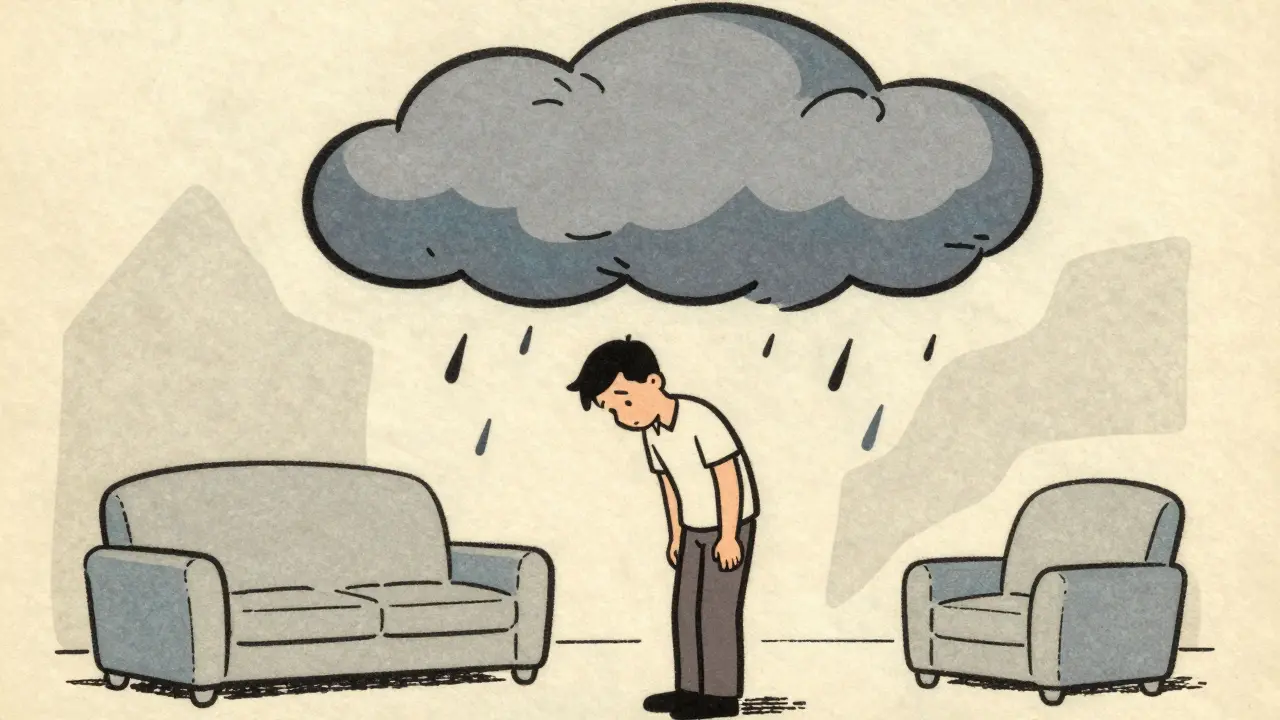
Living with a heavy cloud over your head isn't just about feeling "blue." When you're dealing with Major Depressive Disorder is a serious medical illness that affects how you feel, think, and act, often characterized by a persistent loss of interest and deep sadness lasting at least two weeks , simple advice like "cheer up" is useless. The real challenge is finding a combination of tools that actually works for your specific brain and life circumstances. Whether you're starting your journey or looking to tweak a plan that isn't quite hitting the mark, the goal is the same: getting your functioning back.
The good news is that we've moved past the era of one-size-fits-all treatment. Modern management relies on a "matched care" model, meaning the intensity of the treatment matches the severity of the symptoms. For some, a few lifestyle shifts and a walking habit are enough. For others, a combination of targeted medication and intensive therapy is the only way to find relief. Here is how these different pillars of recovery actually work in the real world.
Understanding the Medication Toolkit
When the chemistry in your brain feels off, medications can act like a floor, stopping the freefall so you have the energy to engage in other forms of healing. Most doctors start with Selective Serotonin Reuptake Inhibitors (commonly known as SSRIs), which are a type of second-generation antidepressant. They are generally the first choice because they tend to be easier on the body than older drugs.
Common options you might hear about include sertraline, citalopram, and fluoxetine. While they all aim to boost serotonin, they aren't identical. For instance, sertraline is often picked first because it's cost-effective and generally well-tolerated. However, meds aren't without trade-offs. SSRIs can cause sexual dysfunction in 30% to 50% of users. If that's a dealbreaker, a doctor might suggest bupropion, which has much lower rates of those specific side effects but comes with a small risk of seizures (around 0.4% at standard doses).
If the first medication doesn't work-which happens to about 30% of people-it doesn't mean you're "untreatable." It just means you need a different strategy. This might involve switching to Serotonin-Norepinephrine Reuptake Inhibitors (SNRIs), which can also impact blood pressure in some cases, or "augmentation." Augmentation is just a fancy word for adding a second medication, like a low dose of an atypical antipsychotic or lithium, to give the primary antidepressant a boost.
| Medication Type | Common Examples | Primary Benefit | Common Side Effect/Risk |
|---|---|---|---|
| SSRIs | Sertraline, Fluoxetine | Good first-line safety profile | Sexual dysfunction (30-50%) |
| SNRIs | Venlafaxine, Duloxetine | Effective for comorbid pain | Blood pressure increase (10-15%) |
| Atypical | Bupropion | Less sexual dysfunction | Seizure risk (~0.4%) |
The Role of Psychotherapy
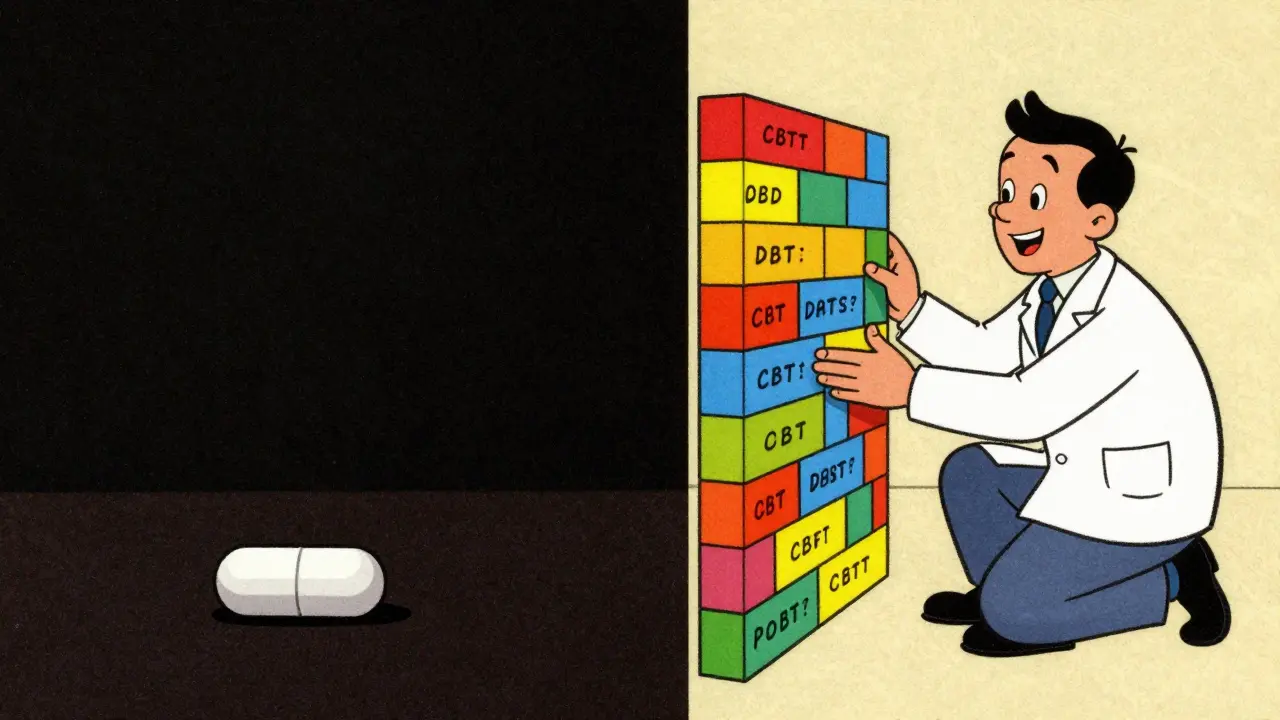
If medication handles the biological "floor," therapy handles the structural "walls." Talking to someone isn't just about venting; it's about retraining how your brain processes information. The gold standard here is Cognitive Behavioral Therapy, or CBT. CBT is a structured psychological treatment that helps people identify and change negative thought patterns and behaviors.
In a typical CBT run, you'll do 8 to 28 weekly sessions. The goal is to stop the "spiral"-that moment when one bad thought leads to a conclusion that the world is ending. For people with moderate depression, CBT alone has a response rate of about 45-50%. But when you pair it with an antidepressant, that success rate jumps to 55-60%. It's a powerful synergy: the meds give you the mental space to actually do the hard work required in therapy.
Other options depend on your specific situation. If your depression is tied to relationship drama or grief, Interpersonal Therapy (IPT) might be a better fit. If you've struggled with depression for years and keep relapsing, Mindfulness-Based Cognitive Therapy (MBCT) is a game-changer. It's an 8-week group program that teaches you how to observe your thoughts without getting swept away by them, reducing the risk of relapse by about 31%.
Lifestyle Changes That Actually Move the Needle
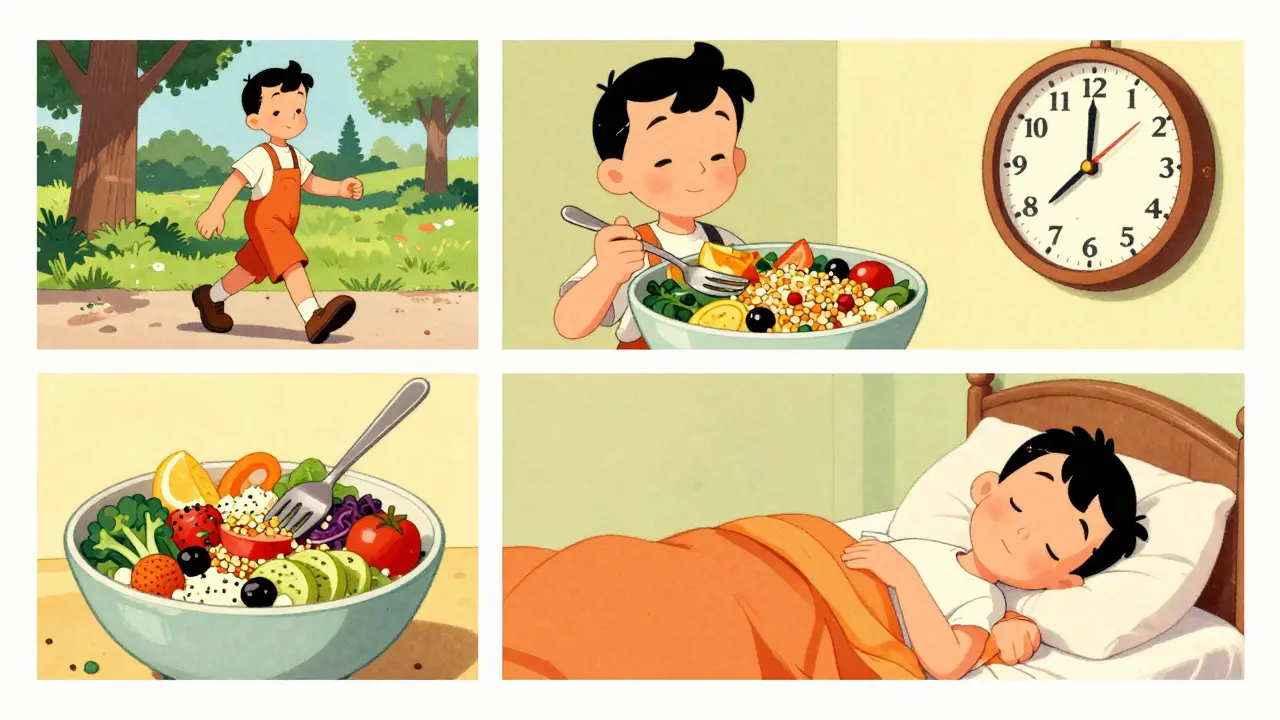
We've all heard that exercise and diet help, but that's usually too vague to be useful. When we look at the data, specific types of activity create measurable changes in brain chemistry. For example, 3 to 5 sessions a week of moderate-intensity exercise-like a brisk 40-minute walk-can produce antidepressant effects similar to medication for those with mild depression.
Then there is the food factor. The SMILES trial showed that shifting toward a Mediterranean-style diet-heavy on vegetables, fruits, whole grains, and lean proteins-led to remission in 32% of participants, compared to just 8% in a group that only had social support. It's not about "eating clean" for aesthetics; it's about fueling the brain's ability to regulate mood.
Sleep is perhaps the most critical lifestyle lever. Most people with depression struggle with insomnia. Implementing a strict sleep hygiene protocol can improve severity scores by 30-40%. This means:
- Waking up and going to bed within the same 30-minute window every day.
- Getting out of bed if you can't sleep, so your brain doesn't associate the bed with tossing and turning.
- Putting the phone away a full hour before lights out to avoid blue light interference.
Finally, don't underestimate the power of a 15-minute daily mindfulness practice or a twice-weekly yoga session. These aren't just "wellness trends"; they are tools to lower the cortisol levels that keep your brain in a state of high stress and low mood.
Choosing the Right Path Based on Severity
You don't need a sledgehammer to crack a nut, and you shouldn't use a nutcracker to bring down a wall. The approach depends on where you fall on the severity scale, often measured by tools like the PHQ-9.
For mild depression, the focus is usually on non-drug interventions. This means guided self-help, structured exercise, and active monitoring. Medication is usually only brought in if the person prefers it or if other methods fail. For moderate depression, you're looking at a choice: either a second-generation antidepressant or CBT. If you're struggling to hold down a job or keep up with family, a combination of both is usually the move.
Severe depression requires an aggressive, multi-pronged attack. This almost always involves combined medication and psychotherapy. In the most extreme cases, such as psychotic depression where a person might lose touch with reality, Electroconvulsive Therapy (ECT) is often the most effective option, boasting remission rates of 70-90%. While the idea of ECT sounds scary, it's a highly controlled medical procedure that can save lives when meds simply don't work.
Navigating the Road to Recovery
One of the hardest parts of managing depression is the "waiting game." Many people try a medication for two weeks, feel no change, and decide it's a failure. In reality, antidepressants often take 4 to 8 weeks at a full target dose to show their true effect. The STAR*D trial proved that persistence pays off; by systematically cycling through different treatment steps, about 67% of people eventually found remission, even if their first try failed.
If you've tried two different meds and two different therapies and still feel stuck, you may have treatment-resistant depression. This is where advanced interventions come in. Repetitive Transcranial Magnetic Stimulation (rTMS) is a non-invasive option that uses magnetic fields to stimulate nerve cells in the brain. It shows a 50-55% response rate after about a month of treatment.
We are also seeing the rise of digital therapeutics-apps that are actually prescribed by doctors-and the exploration of psilocybin-assisted therapy. While some of these are still in the trial or regulatory phases, they point toward a future where treatment is tailored to your specific biomarkers and brain patterns rather than a trial-and-error approach.
How long does it take for antidepressants to start working?
While some people notice small improvements in sleep or energy within the first two weeks, the full therapeutic effect on mood usually takes 4 to 8 weeks. It is critical to stay on the medication at the target dose during this window before deciding if the drug is effective.
Can I treat moderate depression with just exercise and diet?
For mild depression, lifestyle changes can be as effective as medication. However, for moderate to severe depression, clinical guidelines recommend psychotherapy (like CBT) or medication as the primary treatment. Lifestyle changes are best used as an essential support system to enhance the effects of these clinical treatments.
What is the difference between CBT and other therapies?
Cognitive Behavioral Therapy (CBT) focuses on the relationship between your thoughts, feelings, and behaviors, aiming to change distorted thinking patterns. Interpersonal Therapy (IPT) focuses more on your relationships and social roles, while Mindfulness-Based Cognitive Therapy (MBCT) focuses on staying present to prevent future relapses.
What should I do if my medication causes sexual side effects?
This is a common issue with SSRIs. You should discuss this with your doctor, as they may adjust your dose, switch you to a different class of medication like bupropion, or add a secondary medication to mitigate the side effects.
Is ECT safe?
Modern Electroconvulsive Therapy (ECT) is performed under general anesthesia and is considered safe. While it can cause temporary memory impairment in about 60% of patients, its high remission rate (70-90%) makes it a vital option for severe or treatment-resistant depression.
Next Steps for Your Recovery
If you're currently feeling overwhelmed, the best first move is a screening. Use a tool like the PHQ-9 to get a baseline of your symptom severity. If you're in the "moderate to severe" range, prioritize a consultation with a psychiatrist or a licensed therapist to establish a clinical foundation.
Once you have a professional plan, layer in the lifestyle changes. Start with one: perhaps the 40-minute walk or the one-hour screen-free window before bed. Trying to overhaul your entire life while depressed is a recipe for burnout. Pick one small, evidence-backed habit, master it, and then add the next. Recovery isn't a straight line, but with the right combination of tools, the cloud eventually lifts.