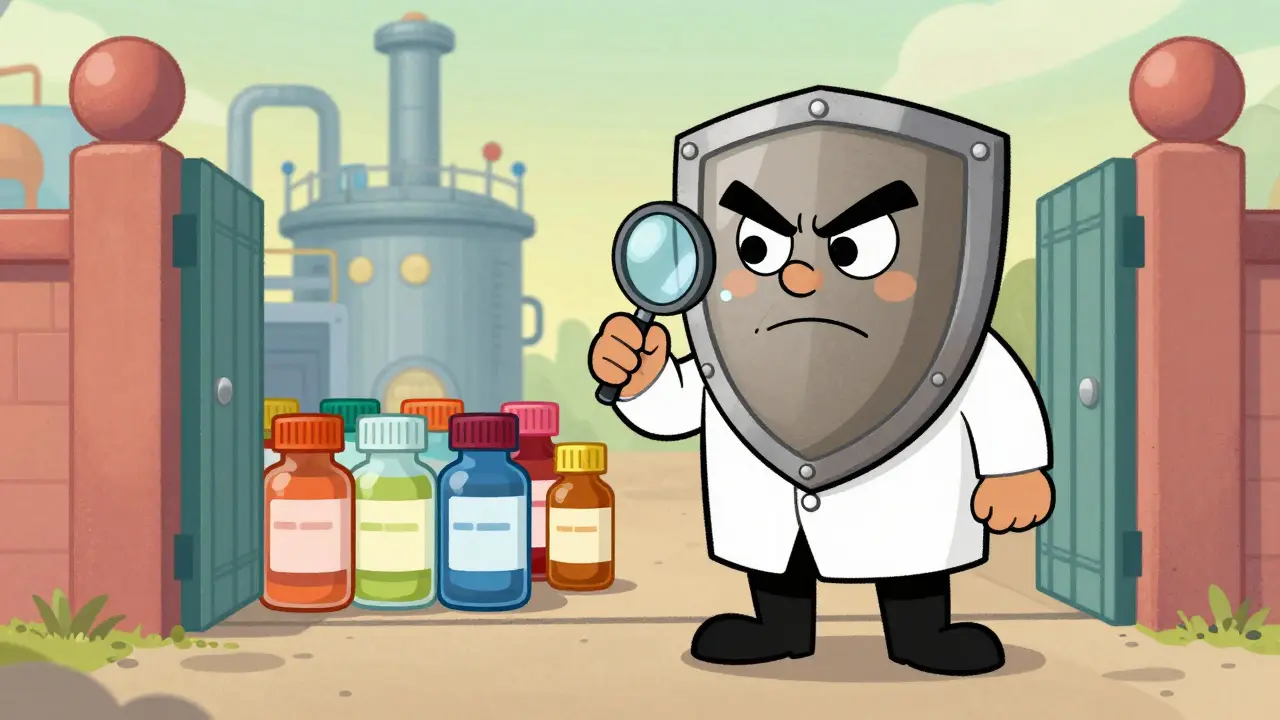
Imagine holding a bottle of medication that could save a life. Now imagine if that same bottle contained the wrong dose or hidden contaminants. That is exactly what batch release testing is designed to prevent. It is the final, non-negotiable safety barrier between a pharmaceutical factory and your medicine cabinet. Without this rigorous process, unsafe drugs would slip through the cracks, reaching patients who trust their prescriptions implicitly.
This isn't just bureaucratic red tape; it is a critical line of defense. According to FDA data from 2023, product recalls cost pharmaceutical companies an average of $10.7 million per incident. But beyond the financial hit, the real cost is public health. Batch release testing ensures that every single batch of medication meets strict identity, strength, purity, and quality standards before it leaves the manufacturing facility. It is the moment where science meets regulation to guarantee patient safety.
The Core Purpose: Why Every Batch Must Be Tested
You might wonder why each individual batch needs such intense scrutiny when the formula hasn't changed. The answer lies in variability. Raw materials can differ slightly between suppliers. Environmental conditions in the factory fluctuate. Human error happens. Even with perfect manufacturing processes, no two batches are identical at a molecular level.
The primary goal of batch release testing serves as the final verification that each manufactured batch of drug product meets predefined quality, safety, and efficacy specifications is risk mitigation. It catches problems that earlier stages missed. For example, Dr. Jane Smith, former Director of the FDA Center for Drug Evaluation and Research, noted in a 2023 interview that these tests prevented approximately 1,200 potentially harmful drug batches from reaching US patients in 2022 alone. That is a 27% increase from 2018, showing that enhanced protocols are actively stopping dangerous products.
The core value here is simple: consistency. Patients expect their blood pressure pill to work the same way every time they take it. Batch release testing confirms that the active ingredient is present in the correct amount (usually within 90-110% of the label claim) and that no harmful impurities have crept in during production.
What Actually Gets Tested? The Technical Breakdown
When a batch is ready for review, it undergoes a battery of analytical evaluations. These aren't random checks; they follow validated compendial techniques, often based on United States Pharmacopeia (USP) methods. Here is what analysts look for:
- Identity Testing: Using tools like High-Performance Liquid Chromatography (HPLC) or Fourier Transform Infrared Spectroscopy (FTIR), scientists confirm the substance is actually what it claims to be. You don't want aspirin looking like acetaminophen under a microscope.
- Assay/Potency Determination: This measures the strength of the drug. If a tablet is supposed to contain 500mg of antibiotic, the test ensures it falls within the acceptable range, typically 90-110% of that claim.
- Impurity Profiling: Following ICH Q3 guidelines, labs hunt for unknown impurities. For new drug substances, the limit is often set at 0.10%. Anything higher triggers a failure.
- Microbial Limits Testing: Per USP chapters <61> and <62>, non-sterile products must not exceed 100 Colony Forming Units (CFU) per gram. Sterile products face even stricter rules.
- Dissolution Testing: Crucial for oral solids, this test (USP <711>) ensures the pill breaks down properly in the body. Generic drugs must show a similarity factor (f2) of at least 50 compared to the brand-name original.
For injectable drugs, the stakes are higher. Endotoxin testing (USP <85>) limits bacterial toxins to 5.0 EU/kg/hr for intrathecal products. Particulate matter testing (USP <788>) ensures there are no visible particles, with strict limits like 6,000 particles/mL ≥10μm for small volume parenterals.
| Test Type | Standard/Method | Typical Acceptance Criteria |
|---|---|---|
| Identity | HPLC, FTIR, NMR | Match reference standard spectrum |
| Potency | USP Assay Methods | 90-110% of label claim |
| Impurities | ICH Q3 Guidelines | <0.10% for unknowns |
| Microbial Count | USP <61>, <62> | <100 CFU/g (non-sterile) |
| Dissolution | USP <711> | f2 similarity factor ≥50 |
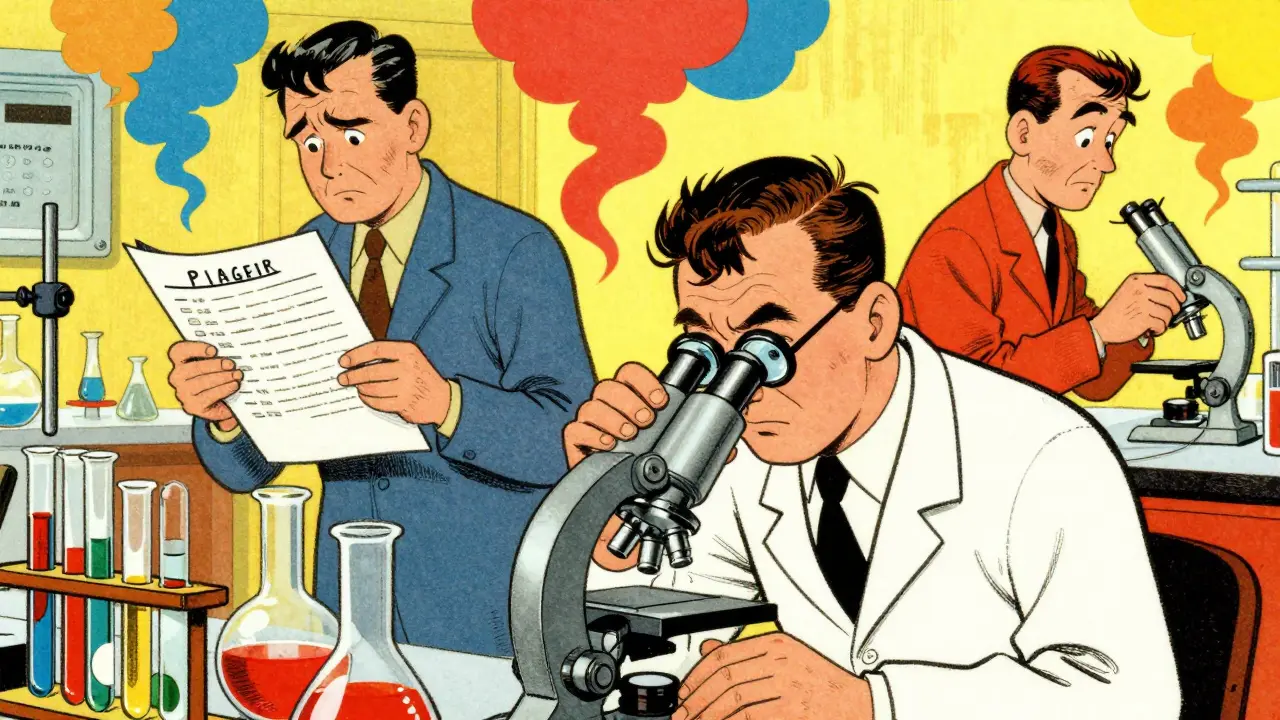
The Human Factor: Who Signs Off on Your Medicine?
Machines run the tests, but humans make the final call. In the European Union, this role belongs to the Qualified Person (QP). A QP is legally responsible for certifying that each batch complies with Good Manufacturing Practice (GMP). They need a minimum of five years of pharmaceutical industry experience plus specific GMP training.
This requirement creates a bottleneck. Europe faces a 32% shortage of qualified QPs according to the EMA's 2024 workforce report. Senior QP Maria Gonzalez reported spending 40-60 hours per batch reviewing documentation for complex biologics. With staffing levels stretched thin, meeting turnaround times becomes a major challenge.
In the United States, the process is similar but structured differently. Quality Control testing follows USP methods, results are reviewed by two independent analysts per 21 CFR 211.194, and then a designated quality unit representative provides final certification. There is no single "QP" title, but the legal responsibility rests heavily on the quality assurance team.
The learning curve for new specialists is steep. It typically takes 18-24 months of on-the-job training to become proficient. Certification programs, like the ASQ Certified Quality Auditor, have a pass rate of only 68%, highlighting the complexity of the role.
Challenges in Implementation: Where Things Go Wrong
Despite robust systems, failures happen. The Parenteral Drug Association's 2024 Technical Report No. 74 documented that 83% of batch failures occur in three areas:
- Dissolution Testing (32%): Pills failing to break down correctly.
- Impurity Profiles (28%): Unexpected chemical byproducts detected.
- Microbial Contamination (23%): Bacteria or fungi found in the product.
A significant pain point cited by 78% of quality control analysts on Reddit forums is method transfer issues. When a test method moves from Research & Development to large-scale manufacturing, small differences in equipment or environment can cause delays. The average resolution time for these issues is 14.7 business days.
Data integrity remains another hurdle. In 2024, 31% of FDA observations related to data integrity issues. One notable case involved a manufacturer releasing 12,000 vials of a monoclonal antibody with subpotent batches due to inadequate review procedures. The result was a $9.2 million recall and an 18-month import alert. This underscores why documentation retention is mandatory-raw chromatograms and instrument printouts must be kept for at least one year after the product's expiration date.
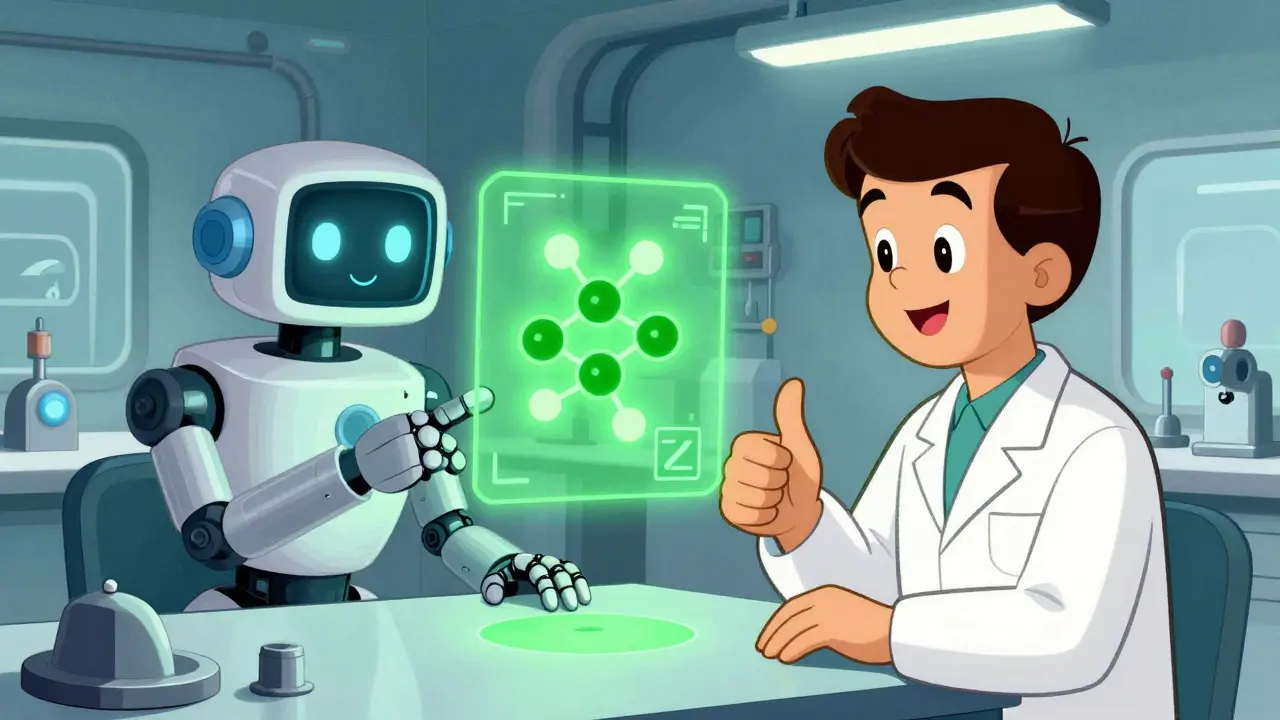
The Future: AI and Continuous Manufacturing
The landscape of batch release is shifting. Traditional end-of-line testing is slow. Small molecule generics take 7-10 days, while biologics can take 21-35 days. To speed this up, the industry is turning to technology.
Artificial Intelligence is playing a growing role. Companies implementing AI-driven predictive release testing see a 34% reduction in batch failures. However, regulatory acceptance is uneven. The EMA's 2024 pilot showed 78% accuracy for AI methods versus traditional ones, but the FDA requires 99.9% confidence for full implementation. As of October 2025, only 12 companies have qualified for the FDA's Predictive Release Testing pilot program using Process Analytical Technology (PAT).
Continuous manufacturing is another trend. Instead of making drugs in discrete batches, facilities produce them in a steady stream. The FDA's 2024 draft guidance suggests real-time release testing for 95% of critical quality attributes in these setups. McKinsey's 2025 Pharma Quality Outlook predicts that by 2028, 45% of batch release decisions will incorporate AI-driven analytics. By 2030, advanced facilities could reduce discrete batch testing by 60%, moving toward "continuous quality verification."
Yet, traditional batch testing won't disappear soon. Legacy products and complex generics will rely on it through 2035. In fact, 97% of industry experts agree that some form of discrete batch verification will remain necessary through 2040. The goal isn't to eliminate testing, but to make it smarter and faster.
Regulatory Divergence: US vs. EU Approaches
If you manufacture globally, you face conflicting rules. The European Medicines Agency maintains that "each batch must undergo full testing" per EudraLex Volume 4 Annex 1. There is little room for shortcuts.
In contrast, the FDA's 2023 Continuous Manufacturing Guidance permits reduced testing for facilities with proven process control. This creates a divergence that complicates global submissions. A company might release a batch quickly in the US based on real-time data, but still need to perform full retrospective testing for the EU market. Navigating these differences requires sophisticated quality systems and often hybrid models, which currently account for 10% of the market.
China's National Medical Products Administration (NMPA) added its own layer of complexity in 2023 by introducing batch release requirements for imported vaccines, increasing testing timelines by 14-21 days. For multinational pharma companies, keeping up with these regional shifts is a constant operational challenge.
How long does batch release testing take?
The timeline varies significantly by product type. Small molecule generics typically require 7-10 days. Complex generics take 14-21 days. Biologics, which require more intricate stability and potency assays, can take 21-35 days. Recent advancements in AI and continuous manufacturing aim to reduce these times, but traditional methods still dominate.
Who is responsible for signing off on a batch?
In the EU, a Qualified Person (QP) with at least five years of experience must certify the batch. In the US, a designated quality unit representative reviews data from two independent analysts before certification. Both roles carry significant legal liability for ensuring compliance with GMP standards.
What happens if a batch fails testing?
If a batch fails any critical parameter-such as potency, impurity limits, or microbial counts-it cannot be released. The batch is typically quarantined and investigated. Depending on the root cause, it may be reworked (if allowed by regulations) or destroyed. Repeated failures can lead to FDA Form 483 observations, import alerts, or costly recalls averaging $10.7 million.
Is AI replacing traditional batch release testing?
Not yet. While AI-driven predictive testing shows promise, reducing failures by 34%, regulatory acceptance is cautious. The FDA requires 99.9% confidence for AI methods, whereas current pilots show around 78% accuracy. Most experts believe AI will augment rather than replace traditional testing through at least 2040.
Why do dissolution tests fail so often?
Dissolution testing accounts for 32% of batch failures. Failures often stem from variations in raw material particle size, compression force during tablet manufacturing, or changes in excipients. Since dissolution directly impacts how well a drug works in the body, regulators enforce strict similarity factors (f2 ≥50) for generics.