💊 Medication & Bladder Symptom Checker
Step 1: Select Your Medications
Check all medications you are currently taking.
Step 2: Describe Your Symptoms
Your Assessment
LOW RISKPotential Culprits Identified
Recommended Actions
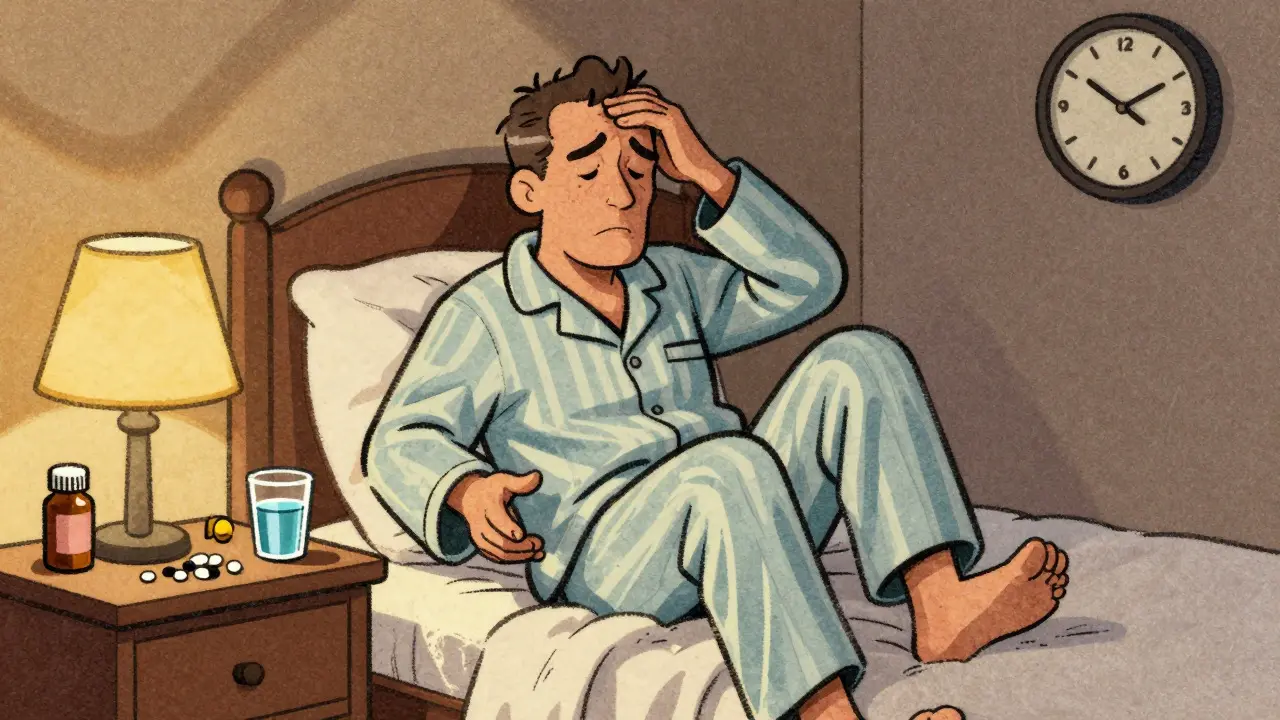
Waking up three times a night just to use the bathroom isn't just annoying; it's exhausting. If you've recently started a new medication or adjusted your dosage and suddenly feel like you're glued to the toilet, you might not be imagining it. Many common drugs directly interfere with how your bladder stores and releases urine. While we often think of side effects as stomach upset or dizziness, frequent urination and sudden urgency are among the most underreported issues affecting millions of people. Understanding which medications cause these symptoms can help you take control of your routine and sleep better.
The connection between your pills and your pee is physiological, not psychological. When certain drugs alter fluid balance, muscle contraction, or nerve signals in the lower urinary tract, your body responds by trying to empty the bladder more often or more urgently. For many patients, this starts subtly-a few extra trips during the day-and escalates into nocturia (waking at night) or even incontinence if left unmanaged. The good news? In most cases, adjusting when you take your meds or switching to an alternative can make a significant difference without stopping treatment entirely.
Why Medications Trigger Bladder Issues
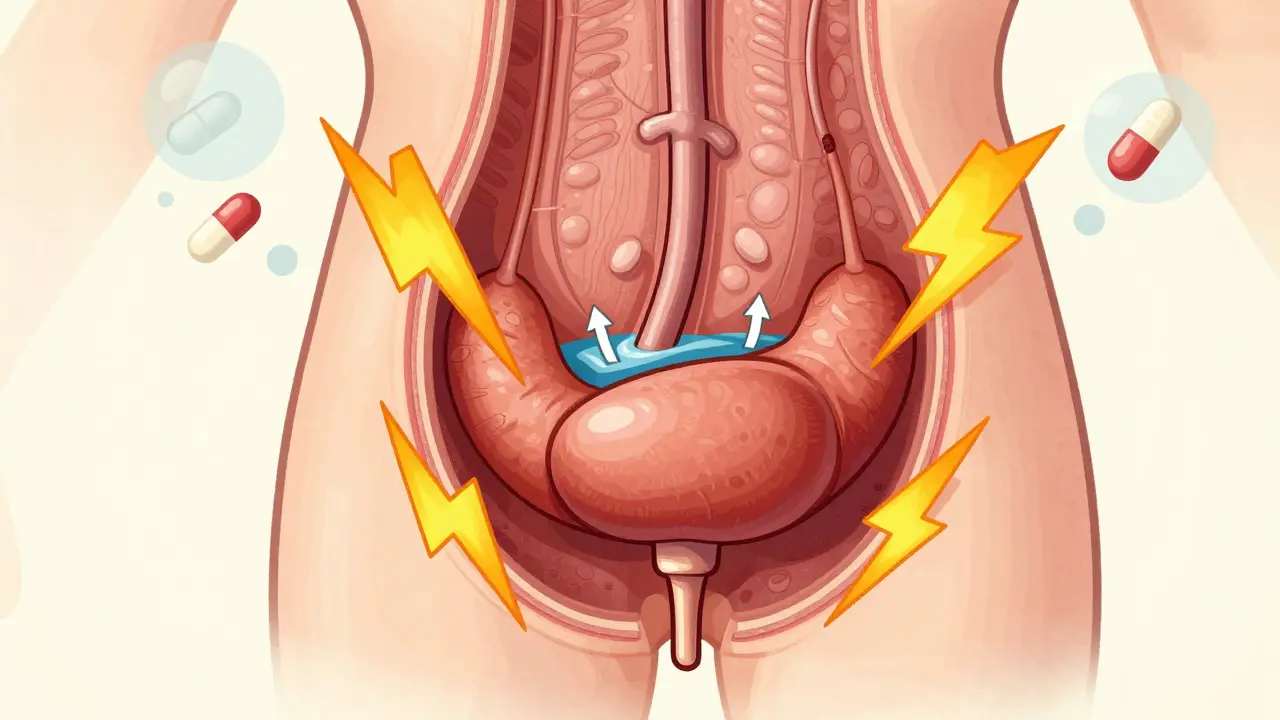
To understand why specific drugs cause these problems, it helps to look at how the bladder works. Your bladder is a muscular sac that expands as it fills. Nerves signal your brain when it's time to go, and the detrusor muscle contracts to push urine out while the sphincter relaxes. Medications disrupt this process in three main ways:
- Fluid Volume Changes: Drugs like diuretics force your kidneys to dump more salt and water, increasing total urine volume. More liquid means a fuller bladder faster.
- Muscle Function Interference: Some antihypertensives block calcium channels needed for smooth muscle contraction. This weakens the bladder's ability to contract efficiently, leading to incomplete emptying and residual urine that triggers urgency later.
- Nerve Signal Disruption: Anticholinergics and some antidepressants affect the neural pathways that tell your brain when the bladder is full. This can lead to either retention (holding too long) or overactive signals (feeling the need to go constantly).
According to data from the American Urological Association, lower urinary tract symptoms affect about one-third of adults over 40. Of those cases, roughly 15-20% are linked directly to medication use. This isn't a rare quirk; it's a common clinical reality that healthcare providers are increasingly recognizing.
The Most Common Culprits: Diuretics
If there is one class of drugs synonymous with frequent urination, it's diuretics, often called "water pills." They are prescribed for high blood pressure, heart failure, and kidney disease. The mechanism is straightforward: they increase urine production. But the timing and type matter significantly.
| Medication Type | Common Examples | Primary Mechanism | Typical Onset of Symptoms |
|---|---|---|---|
| Loop Diuretics | Furosemide (Lasix) | Inhibits sodium reabsorption in loop of Henle | Within 30-60 minutes |
| Thiazide Diuretics | Hydrochlorothiazide | Affects distal convoluted tubule | Within 2 hours |
| Potassium-Sparing | Spironolactone (Aldactone) | Blocks aldosterone receptors | Gradual over days |
Clinical data shows that about 65% of patients on diuretics report increased daytime frequency. Furosemide is particularly potent; a study in the Journal of Urology found that 28% of patients on high doses (80mg daily) experienced urgency severe enough to require incontinence products. If you take a diuretic, the single most effective change you can make is timing. Taking it before 2 PM allows the peak effect to wear off before bedtime, reducing nighttime trips by up to 60%.
Blood Pressure Meds and the Nocturia Link
You might be surprised to learn that some blood pressure medications don't just increase urine volume-they change how your bladder muscles work. Calcium channel blockers (CCBs) like amlodipine, nifedipine, and verapamil are widely used for hypertension. However, they interfere with calcium-dependent smooth muscle contraction. This can weaken the detrusor muscle, making it harder for the bladder to empty completely. Residual urine stays in the bladder, filling it up again quickly and triggering urgency.
Research published in BMC Geriatrics links CCBs to a 37% increased risk of nocturia compared to other antihypertensive classes. Verapamil showed the strongest association. Patients often notice this within 2-4 weeks of starting the medication. If you're taking a CCB and struggling with night-time waking, ask your doctor about switching to a different class of antihypertensive, such as an ACE inhibitor or ARB, which have different side effect profiles.
Psychiatric Medications and Hidden Triggers
It’s less obvious, but psychiatric medications play a major role in bladder dysfunction. Antidepressants, mood stabilizers, and antipsychotics all interact with neurotransmitters that regulate bladder control.
- Antidepressants (SSRIs/SNRIs): Venlafaxine (Effexor) and fluoxetine (Prozac) can worsen overactive bladder symptoms in about 22% of users. The exact mechanism involves serotonin's role in bladder sensation.
- Lithium: Used for bipolar disorder, lithium can cause nephrogenic diabetes insipidus in about 1% of long-term users. This condition causes the kidneys to produce excessive dilute urine (over 3 liters daily), leading to constant thirst and frequent voiding.
- Antipsychotics: Drugs like clozapine and risperidone have anticholinergic effects. These relax the bladder muscle, potentially causing retention. Paradoxically, if the bladder gets too full, it may overflow, leading to incontinence.
For patients on lithium, monitoring urine output is crucial. If you find yourself drinking and peeing constantly, it’s worth discussing dose adjustments or alternative mood stabilizers with your psychiatrist.
Other Medications to Watch Out For
While diuretics and psychotropics are the heavy hitters, other drug classes contribute to urinary complaints:
- Antihistamines: Diphenhydramine (Benadryl) and chlorpheniramine relax the bladder muscle. In 5-7% of users, this leads to retention and overflow incontinence. It’s a common issue for older adults using these for sleep or allergies.
- ACE Inhibitors: Captopril and lisinopril can cause a dry cough. For women with stress incontinence, this coughing fit can trigger leakage episodes.
- Alpha-Blockers: Tamsulosin (Flomax) is used for prostate enlargement. While it improves flow, it causes retrograde ejaculation in 25-30% of men, which can be a distressing side effect to discuss with your urologist.

How to Manage Medication-Induced Urinary Symptoms
Dealing with these side effects doesn't mean you have to choose between your health and your comfort. Here is a practical approach to managing the situation:
- Track the Timeline: Keep a simple log of when you start a new med and when symptoms begin. Most medication-induced symptoms appear within 2-8 weeks. This correlation is key evidence for your doctor.
- Adjust Timing: For diuretics, move doses to early morning. For medications that cause drowsiness or retention, try taking them at night if appropriate (consult your pharmacist first).
- Bladder Retraining: If urgency is the main issue, practice delaying voids by 5-10 minutes initially. Gradually increase the interval. Studies show this technique is effective in 70% of cases after 6-8 weeks.
- Review Alternatives: Ask your provider if a different drug in the same class has fewer urological side effects. For example, switching from a thiazide to a potassium-sparing diuretic might reduce frequency.
- Rule Out Other Causes: Before blaming the med, ensure there’s no infection or underlying structural issue. A simple urinalysis and post-void residual measurement can clarify this.
Don’t suffer in silence. Patient forums reveal that many people wait years before connecting their urinary issues to their prescriptions. Advocating for yourself-specifically mentioning the timeline of your symptoms relative to medication changes-can speed up the resolution process significantly.
Frequently Asked Questions
Which medication is most likely to cause frequent urination?
Diuretics, particularly loop diuretics like furosemide (Lasix), are the most common cause. They directly increase urine production, leading to higher volume and more frequent voiding.
Can antidepressants cause bladder problems?
Yes. SSRIs and SNRIs like venlafaxine and fluoxetine can worsen overactive bladder symptoms in about 22% of patients by affecting nerve signals related to bladder sensation and contraction.
What should I do if my blood pressure medicine makes me pee at night?
If you take a calcium channel blocker or diuretic, try taking it earlier in the day (before 2 PM). If nocturia persists, ask your doctor about switching to a different class of antihypertensive that has less impact on bladder function.
Is frequent urination from medication permanent?
Usually, no. Once the medication is adjusted, switched, or stopped, symptoms typically resolve within a few weeks. However, if the bladder has been stretched or weakened over a long period, it may take longer to recover normal tone.
How long does it take for medication side effects to appear?
Diuretics can cause symptoms within hours. Other medications, like calcium channel blockers or antidepressants, may take 2 to 8 weeks to manifest noticeable urinary side effects. Tracking your start date is helpful for diagnosis.