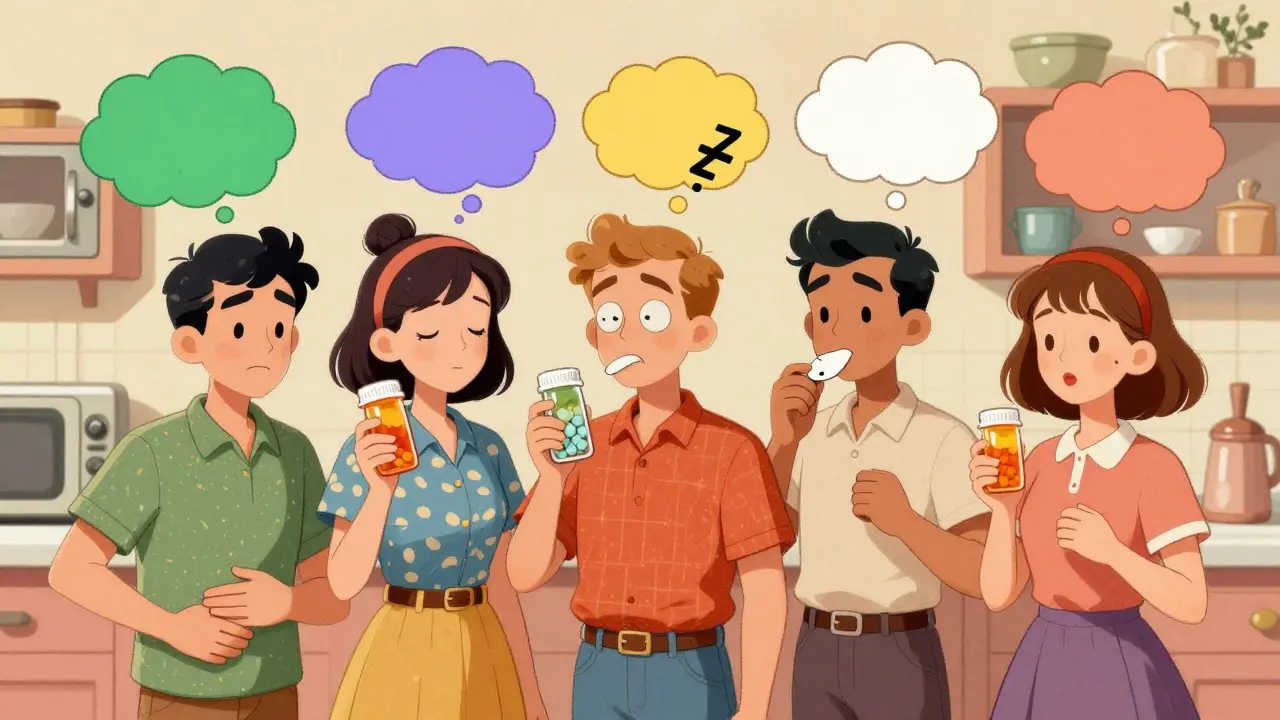
Almost everyone takes medication at some point - whether it’s a daily pill for blood pressure, an antibiotic for an infection, or a pain reliever after a workout. But what happens when that pill doesn’t just help - it hurts? Side effects are more common than you think, and knowing which ones are normal versus dangerous can make all the difference.
What Counts as a Side Effect?
A side effect, or adverse drug reaction (ADR), is any unwanted or harmful response to a medicine taken at the right dose. These aren’t mistakes. They’re expected risks built into how drugs work. About 75-80% of side effects are predictable - like nausea from antibiotics or drowsiness from antihistamines. These are called Type A reactions. They’re tied directly to the drug’s main action. The other 15-20% are Type B: rare, unpredictable, and often immune-driven. These can be serious - like a sudden rash that spreads, or trouble breathing after taking a new pill.The thalidomide disaster in the 1960s changed everything. Thousands of babies were born with missing limbs because their mothers took the drug for morning sickness. That tragedy led to laws requiring drug makers to prove safety before selling their products. Today, agencies like the FDA and the European Medicines Agency track side effects through systems like MedWatch and EudraVigilance. But here’s the problem: fewer than 5% of all side effects are ever reported. Most people just stop taking the medicine - or worse, ignore it.
Most Common Side Effects (And Why They Happen)
Some side effects are so common, they’re practically part of the package. According to Harvard Health and MedStar Health, these are the top offenders:- Nausea and upset stomach - Drugs hit your gut first. Even a simple painkiller like ibuprofen can irritate the lining. This is why taking it with food helps.
- Constipation or diarrhea - Opioids slow digestion. Antibiotics kill good bacteria. Both mess with your bowels.
- Drowsiness and fatigue - Antihistamines like Benadryl block acetylcholine, which makes you sleepy. So do anxiety meds like Xanax and blood pressure drugs like metoprolol.
- Headache - Surprisingly common. It can be a reaction to the drug itself, or a withdrawal symptom if you miss a dose.
- Dry mouth - Many antidepressants, antihypertensives, and anticholinergics reduce saliva production. It’s annoying, but usually harmless.
- Rash or itching - Could be mild irritation… or the start of something serious.
These aren’t rare. The FDA says if more than 1% of people taking a drug report it, it’s labeled as a common side effect. For example, proton pump inhibitors like omeprazole cause constipation or diarrhea in up to 5% of users. Blood pressure meds like lisinopril cause dry cough in about 20%. These aren’t accidents - they’re known trade-offs.
When a Side Effect Is a Red Flag
Not all side effects are created equal. Some are annoying. Others are life-threatening. The FDA defines a serious reaction as one that causes:- Death
- Life-threatening conditions
- Hospitalization
- Permanent damage
- Birth defects
Here are the red flags you can’t ignore:
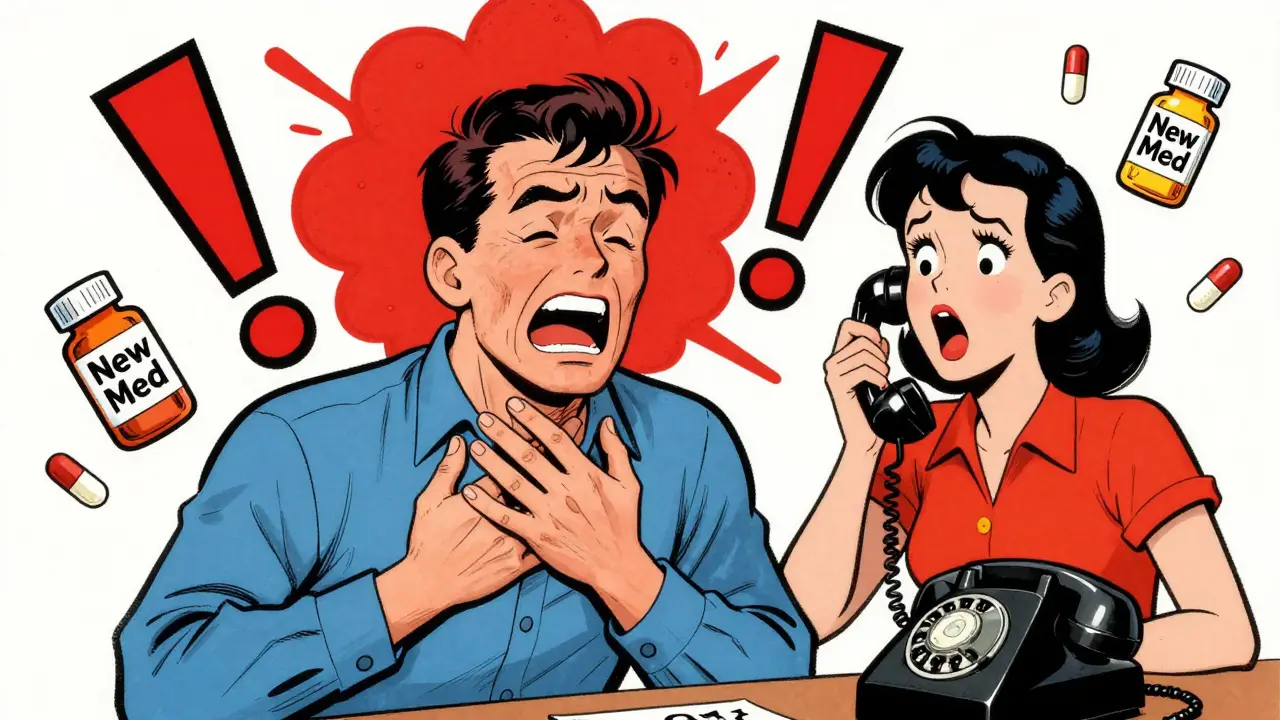
- Swelling of the face, lips, tongue, or throat - This is anaphylaxis. It can block your airway. Call 911 immediately.
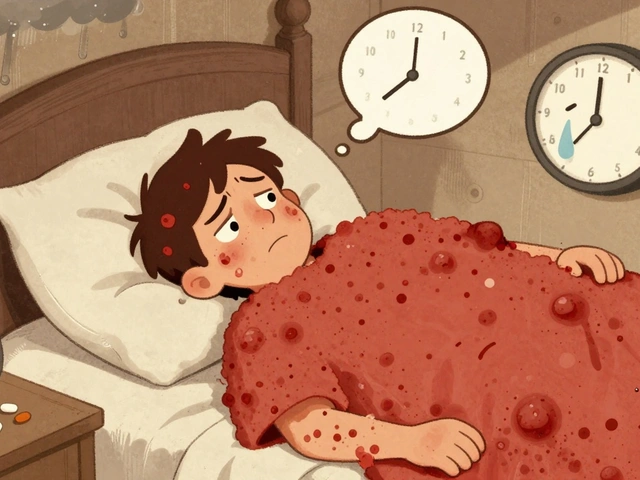
- Widespread rash with blistering or peeling skin - Could be Stevens-Johnson Syndrome or Toxic Epidermal Necrolysis. These are medical emergencies. Think severe burns, but from a drug.
- High fever, swollen glands, and yellowing skin or eyes - That’s DRESS syndrome. It attacks your liver, kidneys, or lungs. Needs hospital care.
- Unexplained bruising, bleeding, or black stools - Could mean internal bleeding from blood thinners like warfarin or even aspirin.
- Fast, fluttering, or irregular heartbeat - Some antibiotics, antidepressants, and even allergy meds can trigger dangerous heart rhythms.
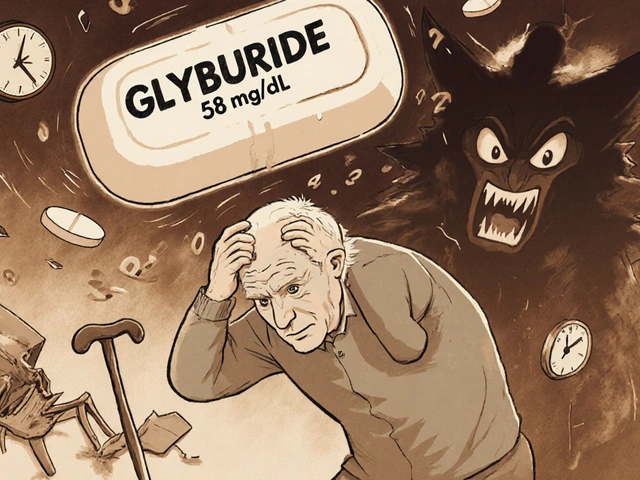
- Sudden confusion, hallucinations, or extreme drowsiness - Especially in people over 65. Benzodiazepines like Ativan can cause delirium. It’s not normal aging - it’s a drug reaction.
- Thoughts of self-harm or suicide - Happens with some antidepressants, especially in the first few weeks. Don’t wait. Tell your doctor - or go to the ER.
One of the most tragic examples? The psoriasis drug Raptiva. After reports of brain infections and meningitis, the FDA forced a black box warning - then pulled it off the market entirely. That’s how seriously regulators take these signals.
Special Risks: Older Adults, Cancer, and Drug Interactions
People over 65 are at higher risk. Why? They often take five or more medications. Their kidneys and liver don’t clear drugs as fast. And their bodies react differently. The 2021 National Ambulatory Medical Care Survey found seniors experience adverse reactions at 17.3 per 1,000 people - more than triple the rate of middle-aged adults.Cancer treatments are another category entirely. Chemotherapy doesn’t just kill cancer cells - it wipes out fast-growing healthy cells too. That’s why hair loss, fatigue, nausea, and low blood counts are so common. Radiation to the head or neck causes dry mouth. Pelvic radiation can lead to infertility or early menopause. These aren’t side effects - they’re expected outcomes. But they still need managing.
Drug interactions are a silent killer. Grapefruit juice? It can double the blood levels of some statins, blood pressure meds, and anti-anxiety drugs. Alcohol with opioids? That’s how overdoses happen. Even over-the-counter meds like naproxen can increase bleeding risk if you’re on blood thinners. A 2022 study found half of all patients quit their meds within a year - mostly because of side effects. That’s not noncompliance. That’s a system failure.
What to Do When You Notice a Side Effect
Don’t panic. But don’t ignore it either. Here’s what to do:- Write it down. Note the symptom, when it started, how bad it is, and what meds you’re taking. Even small changes matter.
- Check the label. Most pill bottles list common side effects. If yours matches, it might be normal.
- Call your doctor or pharmacist. Don’t wait for your next appointment. If it’s new, worsening, or scary - ask now. They can tell you if it’s expected or dangerous.
- Don’t stop cold turkey. Some meds, like antidepressants or beta-blockers, can cause dangerous withdrawal if stopped suddenly.
- Report it. If it’s serious, report it to your country’s drug safety agency. In the U.S., that’s MedWatch. In Australia, it’s the TGA’s Adverse Medicine Events line. Your report helps protect others.
Harvard Health says: if a side effect is bothersome, persistent, or severe - talk to your provider. That’s the rule. No exceptions.
How to Stay Safe Moving Forward
You can’t avoid all side effects - but you can reduce your risk:- Keep a current list of every pill, supplement, and herb you take. Share it with every doctor.
- Ask: “What are the most common side effects of this?” before you start a new drug.
- Use the National Library of Medicine’s drug database (DailyMed or MedlinePlus) to look up your meds. It’s free and reliable.
- Don’t mix alcohol with sedatives, painkillers, or antidepressants.
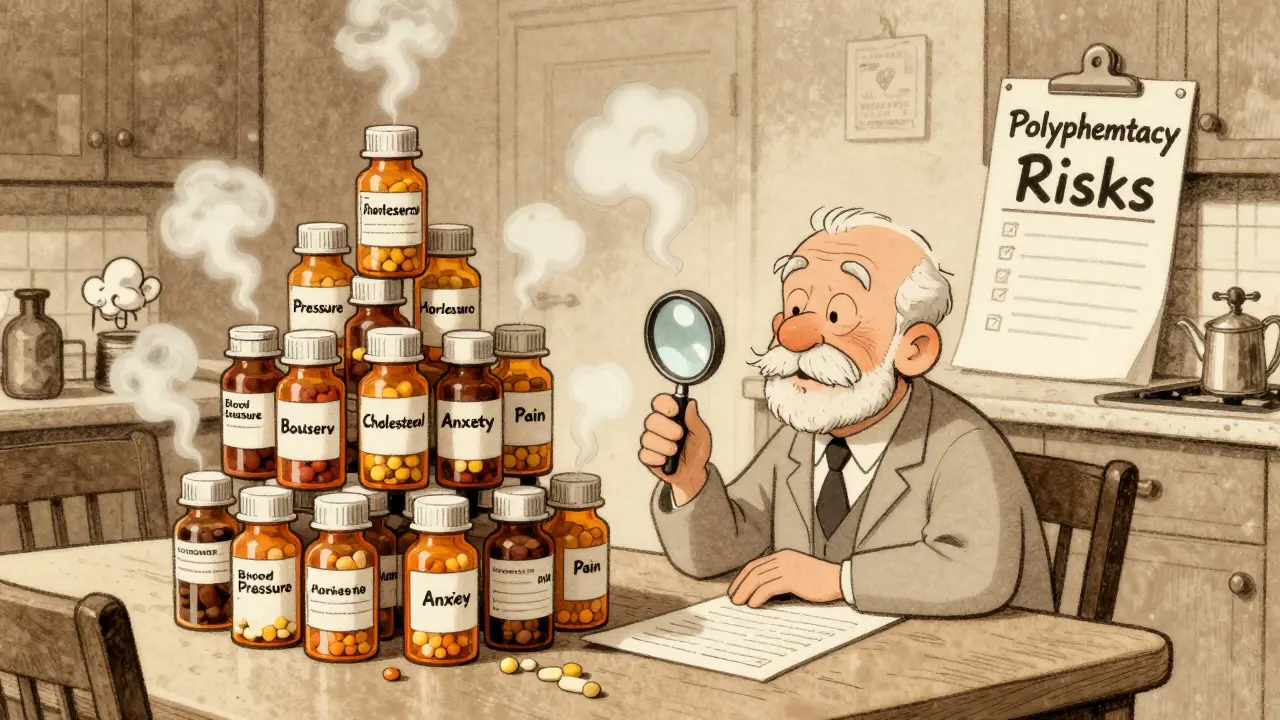
- If you’re over 65, ask your doctor to review all your meds every 6 months. Polypharmacy is a real danger.
- Use one pharmacy for all your prescriptions. They can flag dangerous interactions.
Medications save lives. But they’re not harmless. The goal isn’t to fear them - it’s to understand them. Knowledge isn’t power here. It’s protection.
Are all side effects dangerous?
No. Many side effects - like mild nausea, drowsiness, or dry mouth - are common and not harmful. They often fade after a few days as your body adjusts. But if they’re severe, persistent, or new, you should always check with your doctor. What’s annoying for one person could be a warning sign for another.
Can over-the-counter meds cause serious side effects?
Absolutely. NSAIDs like ibuprofen and naproxen can cause stomach bleeding, kidney damage, or high blood pressure. Antihistamines like Benadryl can cause confusion in older adults. Even acetaminophen (Tylenol) can harm your liver if taken in high doses or with alcohol. Just because it’s sold without a prescription doesn’t mean it’s safe.
How long do medication side effects last?
It depends. Most mild side effects go away within a few days to weeks as your body adapts. But some - like weight gain from steroids or sexual dysfunction from antidepressants - can last as long as you take the drug. Others, like nerve damage from certain chemo drugs, can be permanent. Always ask your doctor how long to expect symptoms to last.
Why do some people get side effects and others don’t?
Genetics, age, liver and kidney function, other medications, and even diet play a role. For example, some people have a gene variant that slows how their body breaks down certain drugs - making side effects more likely. Older adults, people with chronic illnesses, and those on multiple drugs are at higher risk. It’s not random - it’s biology.
Should I report a side effect if it’s not serious?
Yes - especially if it’s new or unusual for you. Even minor side effects help regulators spot patterns. If 100 people report the same mild rash from a new drug, it might signal a hidden risk. Reporting isn’t just for emergencies. It’s part of keeping medicines safe for everyone.
Can I switch to a different medication if side effects bother me?
Often, yes. Many drugs have alternatives with different side effect profiles. For example, if statins cause muscle pain, your doctor might switch you to a different statin or try a non-statin cholesterol drug. But never switch on your own. Talk to your provider first. Some conditions require specific meds, and stopping without a plan can be dangerous.
What to Do Next
If you’re currently taking medication, take five minutes today to review your list. Are you experiencing any new symptoms? Are you still taking something you were prescribed months ago? Have you told your doctor about that mild headache or constant dry mouth? Write it down. Call your pharmacy. Ask your doctor if there’s a better option.Medication safety isn’t about avoiding drugs. It’s about using them wisely. The more you know - about what’s normal, what’s dangerous, and when to act - the safer you’ll be.
Comments
I took that antibiotic last month and got the worst nausea ever... thought I was gonna puke my guts out. Took it with food like they said and boom, way better. 🤞
This is the most practical guide I’ve ever read on meds. Seriously. I used to ignore dry mouth until my dentist called me out. Now I carry a water bottle everywhere. Thank you for writing this.
It’s funny how we treat drugs like magic bullets. They’re not. They’re biochemical tools with side effects built into their design. The real question isn’t whether they cause harm-it’s whether the harm is worth the benefit. And that’s different for every body.
I work in a pharmacy and see people stop meds all the time because they got a rash or felt tired. But they never tell anyone. We need more of this kind of info out there. Seriously, if you’re unsure, just call your pharmacist. They’re the real MVPs.
Let’s be honest-most people don’t read the pamphlet. They don’t know what 'Type A' or 'Type B' reactions are. And yet, they’re expected to self-diagnose drug toxicity? This article is beautifully written, but it’s a luxury for the educated. The real problem is systemic ignorance.
My dad’s on 7 meds. Last year he started getting confused after dinner. We thought it was aging. Turns out it was the antihistamine he was taking for allergies. Switched him to a non-drowsy one-whole different person. Don’t assume it’s normal. Always ask.
I’ve been on antidepressants for 8 years. The first six months were hell. Suicidal thoughts. Weight gain. Dry heaves. No one warned me. I almost quit. Now I’m stable. But I still feel guilty for taking them. Like I’m broken.
The FDA’s reporting system is a joke. I reported a severe rash from a new blood pressure med. Heard nothing back for 11 months. Meanwhile, three other people in my support group had the same thing. They don’t care until it’s a crisis.
I used to think side effects were just ‘the price of healing.’ Then I got DRESS syndrome from a common antifungal. Spent 3 weeks in the hospital. My liver was fried. I’m not exaggerating-it felt like my body was turning inside out. If you have fever + rash + swollen glands? GO TO THE ER. NOW. This isn’t a suggestion. It’s a lifeline.
I’m 72. Took lisinopril for 5 years. Dry cough? Yep. Didn’t think much of it. Then my cardiologist said, ‘Try switching to an ARB.’ Did it. Cough vanished. No side effects. I didn’t know alternatives existed. Why didn’t anyone tell me? We deserve better options.
In India, where I’m from, people often take leftover antibiotics from relatives or buy them over the counter without a prescription. I’ve seen patients develop resistant infections because of this. Medications are not candy. They are powerful biochemical agents. The lack of regulation and education in many countries is a silent epidemic. This article should be translated into every major language and distributed in clinics worldwide.