Medication Nausea Prevention Score
Select the strategies you are currently using to manage nausea. This tool helps identify gaps in your prevention plan based on clinical guidelines.
Your Adherence Score
Select options to see result
Check at least one strategy above to receive personalized feedback.
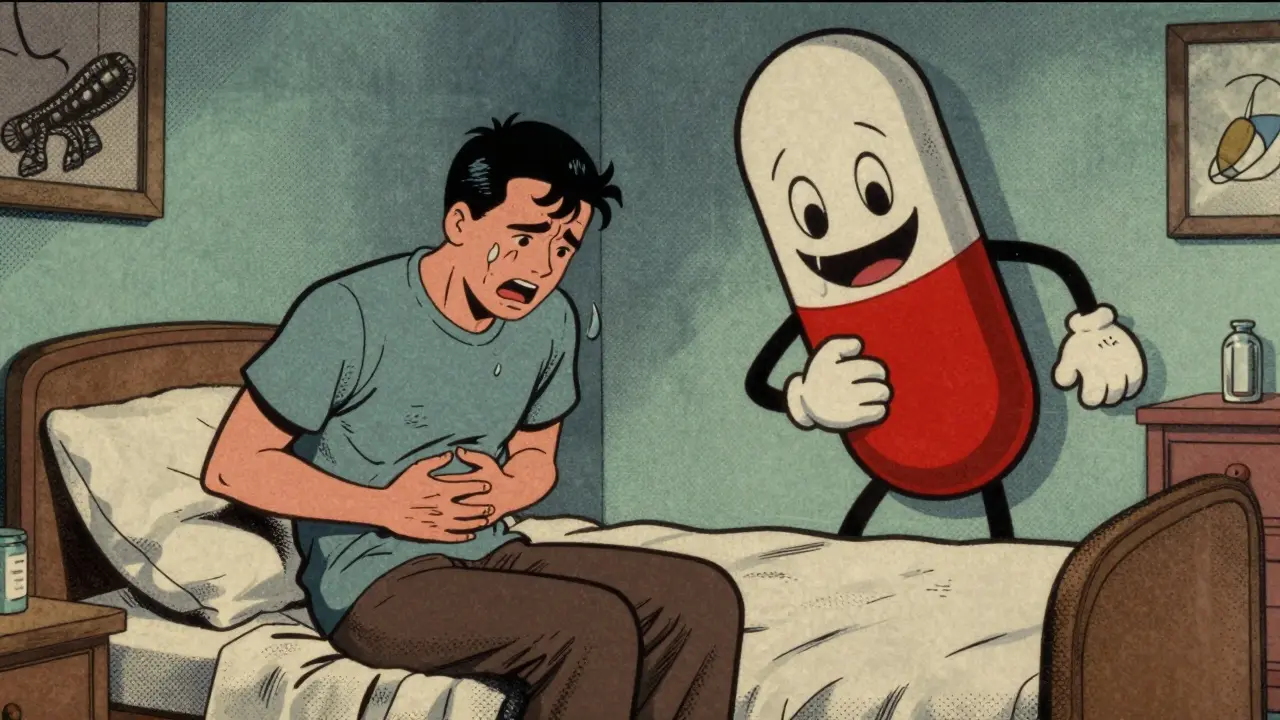
There is nothing quite as discouraging as starting a new prescription only to feel sick an hour later. You take the pill to fix one problem, but suddenly you’re dealing with another. Medication-induced nausea is a common adverse effect caused by various drugs including antibiotics, NSAIDs, and chemotherapy agents that disrupts daily life and treatment adherence. It’s not just a minor annoyance; it can lead to dehydration, poor nutrition, and even stopping essential treatments entirely.
Whether you are managing chronic pain, fighting cancer, or simply taking a course of antibiotics for an infection, understanding why this happens and how to stop it is crucial. This guide breaks down the science behind drug-induced sickness and gives you practical, evidence-based strategies to prevent it before it starts.
Why Your Stomach Reacts to Medicine
To stop the nausea, you first need to know what triggers it. Your body has a sophisticated alarm system designed to protect you from toxins. When certain medications enter your system, they can accidentally pull this trigger.
The reaction usually happens in three main ways:
- Direct Gastric Irritation: Some pills, like non-steroidal anti-inflammatory drugs (NSAIDs) such as ibuprofen or aspirin, physically irritate the lining of your stomach. This causes immediate discomfort and nausea shortly after ingestion.
- Chemoreceptor Trigger Zone (CTZ): Located in the brainstem, the CTZ monitors your blood for toxic substances. Many medications, especially chemotherapy agents and opioids, are detected here as potential threats, sending signals to vomit.
- Vomiting Center Activation: The brainstem integrates signals from the gut, inner ear, and higher brain centers. If the balance is off-due to stress, pain, or medication-the vomiting center initiates the reflex.
Understanding this helps you realize that nausea isn’t always about what you ate. It’s often a chemical conversation between the drug and your nervous system.
First-Line Defense: Non-Pharmacological Strategies
Before reaching for another prescription, try these low-risk, high-reward lifestyle adjustments. These methods work by calming the nervous system and reducing gastric irritation.
Dietary Tweaks That Work
Your diet plays a huge role in how well you tolerate medication. Dr. Eric Roeland from MD Anderson Cancer Center recommends eating small, frequent meals rather than large ones. A full stomach puts more strain on your digestive system, making nausea worse.
- Stick to Bland Foods: Think crackers, toast, rice, and bananas. Avoid spicy, salty, or heavily sweetened foods which can aggravate an already sensitive stomach.
- Hydrate Strategically: Dehydration makes nausea worse. Sip cool fluids slowly throughout the day instead of chugging them. Clear broths and electrolyte drinks are better than plain water if you’ve been vomiting.
- Avoid Favorite Foods During Treatment: If you are undergoing long-term therapy like chemotherapy, avoid eating your absolute favorite foods while you are nauseous. You don’t want to create a negative psychological association with those foods.
Natural Remedies: The Ginger Factor
Ginger isn’t just a kitchen spice; it’s a clinically recognized anti-nausea agent. Studies show that ginger contains compounds called gingerols that block serotonin receptors in the gut, similar to some prescription drugs but without the heavy side effects.
Many patients report significant relief using ginger chews or tea. One user in a cancer support community noted that taking ginger chews every two hours reduced their chemotherapy nausea score from 8/10 to 3/10 within 24 hours. For mild medication-induced nausea, start with 1 gram of ginger root daily, divided into four doses.
Environmental and Behavioral Changes
Sometimes, the cure is in your environment. Strong smells, heat, and anxiety can all worsen nausea.
- Fresh Air: Step outside or open a window. Cool, fresh air can help reset your senses and reduce the feeling of queasiness.
- Relaxation Techniques: Anxiety tightens the gut. Practice deep breathing exercises, meditation, or progressive muscle relaxation. These techniques lower cortisol levels and can decrease the intensity of nausea.
- Timing Matters: If possible, take medications that cause dizziness or nausea at bedtime. This way, you sleep through the peak period of side effects.

Pharmacological Solutions: When Lifestyle Isn’t Enough
If dietary changes and ginger don’t cut it, it’s time to talk to your doctor about antiemetics. These are drugs specifically designed to stop nausea and vomiting. They work by blocking different pathways in the emetic reflex.
| Drug Class | Common Examples | Best Used For | Efficacy Rate |
|---|---|---|---|
| 5-HT3 Receptor Antagonists | Ondansetron (Zofran), Granisetron (Kytril) | Chemotherapy, Post-surgery, General medication nausea | 60-70% for preventing acute nausea |
| NK-1 Receptor Antagonists | Aprepitant (Emend), Netupitant (Akynzeo) | Severe chemotherapy-induced nausea (CINV) | 75-85% complete response when combined with other drugs |
| Dopamine Antagonists | Metoclopramide (Reglan), Prochlorperazine | Gastroparesis, Mild to moderate nausea | Moderate; risk of movement disorders with long-term use |
| Antihistamines/Anticholinergics | Dimenhydrinate (Dramamine), Scopolamine | Motion sickness, Vestibular issues | Variable; causes drowsiness |
5-HT3 Receptor Antagonists
Drugs like Ondansetron are the gold standard for many types of nausea. They block serotonin receptors in both the gut and the brain. Standard doses range from 4-8mg IV or 1-2mg orally. They are particularly effective for post-operative nausea and vomiting (PONV) and chemotherapy-induced symptoms.
NK-1 Receptor Antagonists
For severe cases, particularly in oncology, NK-1 antagonists like Aprepitant are used. They block substance P, a neurotransmitter involved in vomiting. Clinical trials show that combining these with 5-HT3 antagonists and dexamethasone achieves complete response rates of 75-85% for acute nausea. However, they can be expensive, with out-of-pocket costs ranging from $150-$300 per dose without insurance coverage.
Tricyclic Antidepressants (TCAs)
Surprisingly, low-dose TCAs like nortriptyline or amitriptyline (10-50mg) can help with chronic functional nausea. A retrospective study found a 51% complete response rate in patients with idiopathic gastroparesis. However, results vary, and the NORIG trial showed no primary improvement for nortriptyline versus placebo in some cases, highlighting that these drugs are condition-specific.
Prevention Strategies for Specific Medications
Not all nausea is created equal. How you manage it depends heavily on what you are taking.
Antibiotics and NSAIDs
These are notorious for causing direct gastric irritation. The simplest rule? Never take them on an empty stomach. Unless your doctor specifically says otherwise, take these medications with a small snack or meal. Food acts as a buffer, protecting your stomach lining from the harsh chemicals in the drug.
Chemotherapy Agents
Chemotherapy-induced nausea and vomiting (CINV) is complex. It happens in phases: acute (within 24 hours) and delayed (days later). Guidelines from the American Society of Clinical Oncology (ASCO) recommend a "triplet therapy" for highly emetogenic drugs: an NK-1 antagonist, a 5-HT3 antagonist, and dexamethasone. This proactive approach prevents nausea before it starts, rather than treating it after it begins.
SSRIs and Antidepressants
Selective Serotonin Reuptake Inhibitors (SSRIs) increase serotonin levels, which can stimulate the gut. Starting at a low dose and titrating up slowly helps your body adjust. Taking them at night can also help you sleep through the initial adjustment period.
When to Seek Medical Help
While occasional nausea is manageable, certain signs indicate you need professional intervention immediately:
- Inability to Keep Fluids Down: If you cannot keep liquids down for more than 24 hours, you are at risk for severe dehydration.
- Blood in Vomit: This could indicate serious gastrointestinal bleeding.
- Severe Abdominal Pain: This may signal a blockage or other acute abdominal issue.
- Confusion or Dizziness: Signs of significant electrolyte imbalance or dehydration.
Don’t suffer in silence. Your doctor can adjust your dosage, switch medications, or prescribe stronger antiemetics. Communication is key to successful treatment adherence.
Can I take over-the-counter anti-nausea meds with my prescription?
It depends on the medication. Drugs like Dramamine (dimenhydrinate) can interact with other prescriptions, causing excessive drowsiness or affecting heart rhythm. Always check with your pharmacist or doctor before combining OTC remedies with prescription drugs to avoid dangerous interactions.
Why does ginger help with medication nausea?
Ginger contains gingerols and shogaols, which have anti-inflammatory properties and can block serotonin receptors in the gastrointestinal tract. This mechanism is similar to how some prescription antiemetics work, making it effective for mild to moderate nausea without the heavy side effects of pharmaceuticals.
What should I eat if I am nauseous from medicine?
Stick to bland, easy-to-digest foods. The BRAT diet (Bananas, Rice, Applesauce, Toast) is a classic recommendation. Cold foods like yogurt or ice pops are often better tolerated than hot foods because they have less aroma, which can trigger nausea. Avoid fatty, spicy, or very sweet foods.
Is it safe to skip a dose if it makes me sick?
No, do not skip doses without consulting your doctor. Skipping medication can lead to treatment failure, antibiotic resistance, or worsening of your underlying condition. Instead, ask your provider if you can adjust the timing, take it with food, or switch to a different formulation or drug class.
How long does medication-induced nausea last?
It varies by drug. For antibiotics or NSAIDs, nausea usually subsides within 1-2 hours after taking the pill. For chemotherapy, it can last days (delayed CINV). For SSRIs, nausea often improves after 1-2 weeks as your body adjusts to the medication. If it persists beyond expected timelines, seek medical advice.


Comments
ugh... another article trying to tell us what to do with our bodies!! :/ they want you to take ginger?? lol. i think its just a ploy to sell more supplements. the big pharma lobby is everywhere!! even in this text!! watch out for the hidden agendas!!
The audacity of this post!; It assumes that; your body; is not; already; fighting; a losing battle; against; the toxins; in your water supply!; You cannot; simply; 'hydrate strategically'; when; the very concept; of health; is; a construct; designed; to keep; you compliant!; I have; noticed; that; those; who follow; these guidelines; are; often; the first; to disappear; from; public discourse!; It is; a clear; signal!; Do not; trust; the ginger!; It is; a trojan horse!; For; control!
i think we should look at this as a shared human experience rather than a medical puzzle to solve alone it helps to remember that our bodies are complex systems and sometimes they just need a little patience and kindness instead of immediate fixes maybe try sitting quietly with the feeling for a moment before reaching for solutions
honestly man i took that zofran stuff once and it was like being hit by a truck but in a good way? well mostly bad actually because my head felt like it was spinning but then the nausea went away so i guess it worked? anyway i also tried eating crackers which sounds stupid but it really helped me get through the day without throwing up so yeah do what works for you i guess
Oh, look at all these fancy charts! 🙄 How original. But seriously, if you're taking chemo, please listen to your oncologist and not some random internet article. That said, the ginger tip is legit, I've seen it work wonders for my sister. Don't let the snarky comments above discourage you from finding what works for YOU. Stay strong! 💪
This is basic stuff. If you cant handle medicine you are weak. Take it with food or dont take it. Simple.
Hey everyone! 👋 Just wanted to say that staying hydrated is super important! 💧 I always keep a bottle of water nearby when I take my meds. Hope you all feel better soon! 😊🌟
I am so glad this information is out there!! Many people suffer in silence because they are afraid to ask their doctors about side effects!! Please remember that you deserve to feel comfortable during your treatment!! Communication is key!! Do not be afraid to speak up!! Your health matters!! ❤️
It is truly remarkable how much science has advanced in understanding the emetic reflex. The distinction between direct gastric irritation and CTZ activation is crucial for targeted intervention. One must approach medication adherence with a disciplined mindset, recognizing that temporary discomfort may yield long-term therapeutic benefits. Precision in timing and dosage is paramount.
hi guys i hope this helps some of you out there. i had bad nausea last week and the ginger tea really did help me feel better. it was not instant but after a few days it got easier. take care of yourselves and talk to your doctor if it gets too bad. stay healthy!
Typical American reliance on pharmaceuticals. In other countries, they would just tough it out. This softness is why we are failing. Read the article if you must, but stop whining about pills. Get back to work.