
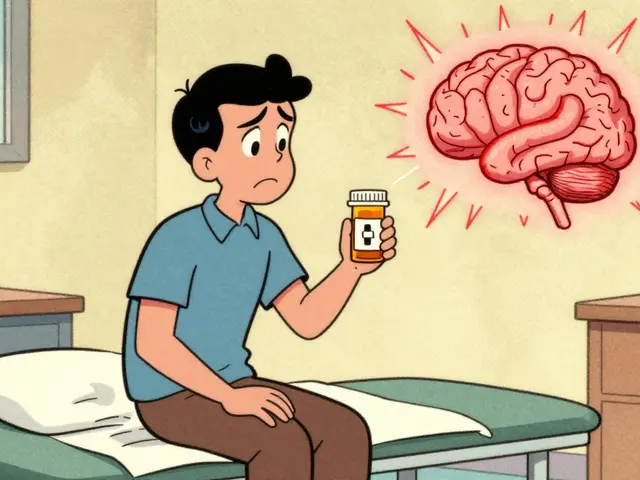
Every year, thousands of people die from pills they thought were safe. These aren’t prescription drugs from a pharmacy. They’re counterfeit pills-fake versions of oxycodone, Xanax, or Adderall-that look just like the real thing. But instead of the medicine they promise, they often contain deadly amounts of fentanyl or other dangerous chemicals. You can’t tell by looking. You can’t tell by taste. And if you’re using them, you might be one bad pill away from death.
What Makes Counterfeit Pills So Dangerous?
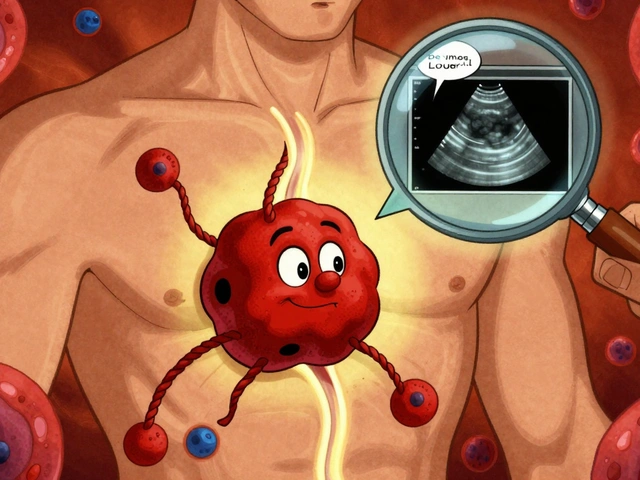
Counterfeit pills are made in unregulated labs, often overseas, and shipped in bulk through social media, text messages, or apps. They’re sold as ‘Oxy 30s,’ ‘Xanax bars,’ or ‘Adderall’ to young adults who think they’re buying legal medication. But here’s the truth: the DEA found that nearly one in four of these fake pills tested between 2020 and 2021 contained a lethal dose of fentanyl. That’s about two milligrams-less than a grain of salt. One pill can kill you.
Fentanyl is 50 times stronger than heroin and 100 times stronger than morphine. Even if you’ve used opioids before, your body doesn’t build tolerance to fentanyl the same way. A pill that looks exactly like the one you’ve taken before could be laced with enough fentanyl to stop your breathing. And because these pills are made in batches with inconsistent mixing, one might be deadly while the next one from the same dealer isn’t. There’s no way to predict it.
How to Spot a Counterfeit Pill (And Why It’s Not Enough)
Some people try to spot fake pills by checking the color, shape, or imprint. Maybe the pill is slightly off-color, or the letters look blurry. Maybe the packaging looks cheap or has typos. The FDA says these are red flags. But here’s the problem: counterfeiters have gotten better. They now use the same molds, dyes, and printing techniques as real pharmaceutical companies. A fake Xanax bar can look identical to the real one-even under a magnifying glass.
Some users notice unexpected side effects: extreme drowsiness, confusion, or nausea that doesn’t match their usual experience. That’s a sign something’s wrong. But by then, it might be too late. Fentanyl doesn’t always cause vomiting or immediate sickness. It can knock you out silently.
Even experienced users can’t tell the difference. The CDC, DEA, and NIDA all agree: you cannot tell if a pill contains fentanyl by sight, smell, or taste. If you’re relying on appearance alone, you’re playing Russian roulette.
The Only Reliable Way to Test for Fentanyl
The only tool that gives you a real chance of knowing what’s in a pill is a fentanyl test strip (FTS). These are small, inexpensive paper strips-like pregnancy tests-that detect the presence of fentanyl and some of its analogs. You crush a tiny piece of the pill, mix it with water, dip the strip in, and wait a few minutes. One line means fentanyl is present. Two lines mean it’s not.
They’re available for free in many harm reduction centers, pharmacies, and online. In Australia, organizations like the Alcohol and Drug Foundation offer them through community programs. They’re not perfect. Some newer fentanyl analogs like carfentanil won’t show up. And if you test only one pill from a batch, it doesn’t guarantee the others are safe. But they’re the best tool we have.
Here’s how to use them right:
- Crush a small piece of the pill (about the size of a grain of rice) into a clean container.
- Add 1-2 teaspoons of clean water and stir for 15 seconds.
- Dip the test strip into the solution up to the line, and wait 15 seconds.
- Wait 5 more minutes. One line = fentanyl detected. Two lines = no fentanyl detected.
Even if the test says ‘no fentanyl,’ don’t assume it’s safe. Illicit pills often contain other dangerous drugs like bromazolam or etizolam-potent benzodiazepines that can cause respiratory failure on their own. And if you’re using alone, no test strip can save you.

What to Do If You or Someone Overdoses
If someone stops breathing, turns blue, or becomes unresponsive after taking a pill, it’s likely an overdose. Fentanyl overdoses show three key signs: pinpoint pupils, slow or stopped breathing, and unconsciousness. They might make gurgling or choking sounds. Their skin will be cold and clammy. Lips or fingernails may turn blue or purple.
Act fast:
- Call emergency services immediately (000 in Australia).
- Give naloxone if you have it. Naloxone reverses opioid overdoses, including those caused by fentanyl. It’s safe to use even if you’re unsure what’s in the pill.
- Start rescue breathing if they’re not breathing. Tilt their head back, pinch their nose, and give one breath every 5 seconds.
- Stay with them until help arrives. Overdose can return after naloxone wears off.
Naloxone is available for free at many pharmacies and community health centers in Australia. Ask for it. Carry it. Keep it in your bag, your car, your pocket. It’s not just for people who use drugs-it’s for friends, partners, siblings. One dose can save a life.
Why Using Pills from Untrusted Sources Is Never Safe
Some people think, ‘I’ve used this before, I know the dealer.’ Or, ‘I only take one at a time.’ But the supply chain is chaotic. A pill you bought last week might come from a different batch this week. A dealer who’s been reliable for months could suddenly get a shipment of fentanyl-laced pills without even knowing it.
The CDC found that overdose deaths from counterfeit pills more than doubled between 2019 and 2021. That trend hasn’t stopped. In 2023, Oregon authorities seized over 3 million counterfeit pills. In Australia, police are seeing more fentanyl-laced pills turning up in cities like Perth, Melbourne, and Sydney.
And it’s not just opioids. Some counterfeit pills contain methamphetamine. These cause different symptoms: fast heartbeat, high body temperature, paranoia, and seizures. Mixing meth with fentanyl-or with alcohol, benzodiazepines, or antidepressants-can create deadly interactions. Users often don’t know what they’re taking. That’s the point.

The Only Real Prevention: Don’t Use Illicit Pills
There’s no safe way to use counterfeit pills. No test strip is 100% accurate. No dose is guaranteed. No experience level makes you immune. The only way to avoid overdose from fake pills is to not use them at all.
If you need medication for anxiety, pain, or ADHD, get it from a licensed pharmacy with a valid prescription. Don’t buy pills online. Don’t trust social media sellers. Don’t assume a friend’s pill is safe. Even if it’s labeled ‘Xanax’ or ‘Adderall,’ it could be poison.
Public health experts from the CDC, DEA, and NIDA all say the same thing: only use medications prescribed to you by a doctor. Everything else carries a risk you can’t control.
What You Can Do Right Now
If you or someone you care about uses illicit drugs:
- Carry naloxone. Know how to use it.
- Use fentanyl test strips every time, even if you’ve used the same source before.
- Never use alone. Have someone nearby who can call for help.
- Don’t mix drugs. Even alcohol or sleep aids can turn a risky dose into a fatal one.
- Reach out for support. Harm reduction services, counseling, and peer support are free and confidential.
It’s not about judgment. It’s about survival. If you’re using pills because you’re in pain, anxious, or struggling, you deserve help-not death. There are people who can help you without shame.
Comments
It’s terrifying how easily misinformation spreads about these pills. People think they’re buying a quick fix for anxiety or focus, but they’re rolling the dice with a substance that doesn’t care about their intentions. The science is clear-fentanyl doesn’t discriminate based on experience, age, or socioeconomic status. It’s not about willpower. It’s about chemistry. And we’re failing people by treating this like a moral failing instead of a public health crisis.
Education isn’t enough. Access to test strips, naloxone, and nonjudgmental care needs to be as routine as buying bandages at a pharmacy. We need policy that meets this moment-not moral panic.
And yes, abstinence is the only foolproof method. But if we’re serious about saving lives, we meet people where they are. Not where we wish they were.
my best friend died last year from one of these. she thought it was just a xanax from her roommate. no one saw it coming. i carry naloxone now. everyone should.
rest in peace, jess.
❤️
Let me be the first to say this with full bureaucratic gravity: the state’s failure to regulate the illicit pharmaceutical supply chain constitutes a gross violation of the social contract, and the normalization of peer-to-peer drug exchange via encrypted platforms reflects a systemic collapse of civil infrastructure
the individual is not responsible for the chaos of the market
we must demand structural reform not moralizing
also i think the government is using this to justify surveillance
they know what’s in the pills
they let it happen
you think this is coincidence
think again
the same people who shut down the meth labs are now selling the fentanyl
it’s all connected
ask yourself why the test strips are not federally distributed
why are they still ‘harm reduction tools’ and not ‘public health necessities’
why are we still debating this
they want you afraid
they want you alone
they want you to think you’re the problem
you’re not
the system is
used to do this stuff back in college. thought i was smart. thought i could tell the difference. one time i took a pill and just… blacked out. woke up on the floor with my roommate screaming. never touched another one after that.
test strips saved my life without me even knowing it.
just say no. seriously.
so let me get this straight… we’re supposed to believe the government is trying to help us but they’re also the ones letting fentanyl flood the streets?
they’re not stupid. they know what’s happening. they’re letting it happen because they want us to be too scared to protest anything else.
it’s all a psyop. the war on drugs was never about drugs. it’s about control.
they want you scared. they want you isolated. they want you trusting no one.
and now they’re selling you test strips like they’re doing you a favor?
no thanks. i’m not playing.
if you’re reading this and you’re using pills right now… please, just stop for a second.
you’re not weak. you’re not broken. you’re just trying to survive.
but you don’t have to do it alone.
i’m here. we’re here.
❤️
in my community, we hand out test strips like candy. we teach people how to use them at the corner store. we put naloxone in the vending machines next to snacks. because people are going to use. we might as well make sure they live.
it’s not about approval. it’s about humanity.
we don’t need more laws. we need more compassion.
and if you think that’s naive… you’ve never held someone’s hand while they’re not breathing.
my cousin took one of these pills at a party last year. she thought it was adderall. she didn’t make it home.
i didn’t know what to do. i didn’t know about naloxone. i didn’t know about test strips.
now i carry both. i tell everyone. i don’t care if they think i’m weird.
if it saves one person… it’s worth it.
you don’t have to be a hero. just be prepared.
❤️
the tragedy isn’t just the overdose-it’s the silence around it. We treat addiction like a personal failure, when it’s often the result of untreated trauma, economic despair, or systemic neglect. The pills are just the symptom.
Test strips and naloxone are band-aids on a bullet wound. We need decriminalization, universal mental health care, and economic investment in communities that have been gutted for decades.
But until then, we do what we can. We carry the strips. We learn the signs. We don’t look away.
Because if we’re going to live in a world where people are dying from pills that look like candy, then we owe it to them to be the ones who refuse to pretend it’s not happening.
you think this is about fentanyl? no. this is about the deep state using overdose deaths to justify more police presence in neighborhoods they’ve already abandoned. they let the drugs in so they can arrest the users. they let the kids die so they can build more prisons. it’s not an accident. it’s a strategy.
they want you afraid. they want you dependent. they want you thinking the only solution is more cops and more surveillance.
but the real solution? take away their power. dismantle the system.
you think test strips help? they’re just a distraction. a placebo for people who think they’re doing something while the real killers stay in power.
the data is unambiguous: fentanyl-laced counterfeit pills are now the leading cause of death among Americans aged 18–45. This is not a crisis of individual choice-it’s a failure of regulatory capture, corporate negligence, and geopolitical complicity. The pharmaceutical industry offshored production to unregulated labs in China and Mexico because profit margins outweighed liability. The DEA has seized over 3 million pills in Oregon alone-yet the supply chain remains intact because the traffickers are embedded in legitimate logistics networks.
FTS are not a solution-they are a diagnostic tool. Naloxone is not a cure-it is a temporal buffer. What we require is a national pharmaceutical oversight framework with real-time supply chain traceability, mandatory adulterant screening at the point of import, and a federal mandate that all opioid prescriptions be accompanied by a free test strip and naloxone kit.
Until then, we are not saving lives-we are managing a massacre.
so you’re telling me the government is letting people die on purpose so they can say ‘look at these dangerous drugs’ and scare everyone into obeying them
and you’re telling me the solution is to carry a piece of paper that tells you if your pill will kill you
but you won’t tell me why the government is the one making the pills in the first place
why are the test strips free but the real medicine is still $500 a bottle
why do they let the dealers in but arrest the users
you think this is about safety
it’s about control
they want you scared
they want you buying their pills
they want you too afraid to ask questions
you’re not safe
you’re just being managed
As a healthcare professional from India, I have observed that the global pharmaceutical supply chain is deeply fragmented and inadequately monitored. The emergence of counterfeit pills containing fentanyl is not an anomaly but a predictable consequence of deregulation and profit-driven distribution networks. The solution requires international collaboration, standardized manufacturing protocols, and the integration of blockchain-based verification systems for drug authenticity. Until such systemic reforms are implemented, harm reduction measures such as fentanyl test strips and naloxone distribution remain the only ethical response to an avoidable public health catastrophe.
Let me tell you something about the human condition that the CDC won’t put in their press releases
People don’t take these pills because they’re reckless
They take them because they’re tired
Because the world has broken them and no one offered a hand
Because the anxiety won’t stop
Because the pain won’t fade
Because the loneliness is louder than the sirens
And they think-just once-just one pill to feel normal
And then the pill kills them
And we sit here in our clean houses with our prescriptions and our therapy bills and our moral superiority and we say ‘they should’ve known’
But we didn’t know either
We didn’t know how deep the rot went
We didn’t know that the system was designed to break them
We didn’t know that the pills weren’t the problem
The problem was the silence
The problem was the shame
The problem was that we stopped seeing them as people
And now they’re dead
And we still won’t say their names
Because it’s easier to talk about test strips than to talk about why they needed them in the first place
so let me get this straight-you want me to believe that a piece of paper can save someone from a chemical that’s stronger than morphine by a hundred times
but you won’t believe that the same people who made the pills are the ones selling the test strips
you think the government doesn’t know what’s in them
you think they’re just too dumb to stop it
please
they’re not dumb
they’re in charge
and they’re letting this happen
on purpose
because scared people are easier to control
and dead people don’t vote
you think you’re saving lives
you’re just playing their game