Did you know that roughly 90% of all prescriptions filled in the United States are generic drugs? That means most of us have switched from a brand-name medication to its generic counterpart at some point. The U.S. Food and Drug Administration (FDA) defines these as pharmaceutical equivalents containing the same active ingredients, strength, dosage form, and route of administration as their brand-name counterparts. They undergo rigorous approval processes to ensure they work just as well. However, despite strict regulations, some patients report feeling different after the switch. This isn't always about the drug failing; sometimes it's about how your body reacts to minor changes in inactive ingredients or manufacturing batches. Knowing what to watch for can save you stress and keep your health on track.
Understanding Bioequivalence and Safety Standards
Before you start worrying about side effects, it helps to understand why generics are considered safe. The FDA requires generic manufacturers to prove bioequivalence with Reference Listed Drugs (RLD). In simple terms, this means the generic must deliver the same amount of active ingredient into your bloodstream within the same timeframe as the brand-name drug. Specifically, the 90% confidence intervals for the ratio of geometric means of Cmax (maximum concentration) and AUC (area under the curve) must fall within an 80-125% range.
This standard is incredibly strict. It ensures that for the vast majority of people, there is no clinically meaningful difference between the two versions. As of November 2023, the FDA had approved over 16,000 generic drug products. These savings are massive, saving the healthcare system approximately $373 billion annually according to IQVIA data from 2022. But while the science says they are equivalent, individual biology can be unpredictable. This is where monitoring comes in-not because the drug is likely bad, but because you need to confirm it works for *you*.
| Feature | Brand-Name Drug | Generic Drug |
|---|---|---|
| Active Ingredient | Original formulation | Identical chemical structure |
| Inactive Ingredients | Proprietary mix (binders, dyes) | May differ slightly by manufacturer |
| Bioavailability | Baseline reference | Must be within 80-125% of baseline |
| Cost | Higher (patent protected) | Lower (competitive market) |
| Regulatory Oversight | FDA CDER review | FDA Office of Generic Drugs (OGD) |
High-Risk Categories: Narrow Therapeutic Index Drugs
Not all medications carry the same risk when switching. The biggest concerns arise with drugs that have a narrow therapeutic index (NTI). These are medications where the difference between a helpful dose and a harmful one is very small. Even a tiny variation in how the drug is absorbed can lead to serious issues.
Dr. Aaron Kesselheim, Professor of Medicine at Harvard Medical School, noted in research published in JAMA Internal Medicine that patients taking NTI drugs like warfarin, levothyroxine, or certain anti-epileptics may experience clinically meaningful differences. For example, if you take levothyroxine for thyroid conditions, a slight drop in absorption could make you feel fatigued or gain weight, mimicking hypothyroidism. Conversely, a slight increase could cause heart palpitations.
The American Heart Association advises that patients taking cardiovascular medications with narrow therapeutic indices should have more frequent laboratory monitoring during the first 30-60 days after switching. If you are on any of these high-stakes medications, do not rely solely on how you feel. You need hard data from blood tests.
- Warfarin: Monitor INR levels closely.
- Levothyroxine: Check TSH levels.
- Lamotrigine: Watch for seizure frequency or mood changes.
- Phenytoin: Monitor blood drug levels.
What to Track: A Practical Monitoring Plan
If you are switching to a generic, especially for a chronic condition, you need a plan. Don't just take the pill and hope for the best. The American Academy of Family Physicians (AAFP) recommends specific tracking protocols. Here is how you can apply them to your daily life.
1. Keep a Medication Diary
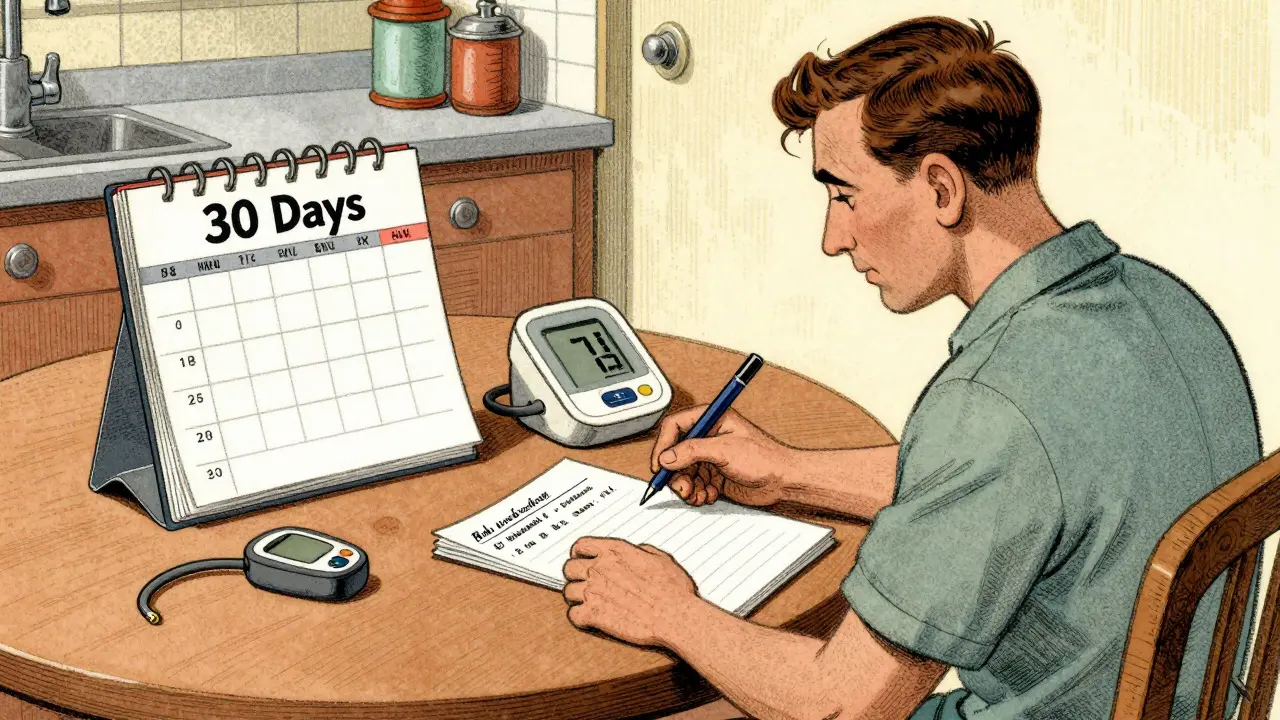
For at least 30 days post-switch, write down when you take your medication, any symptoms you experience, and relevant biomarkers. If you have asthma, monitor your peak flow measurements daily for two weeks. If you have diabetes, track your blood sugar levels. This creates a paper trail that helps your doctor see patterns that might otherwise go unnoticed.
2. Schedule Follow-Up Appointments
If you are on an NTI drug, schedule a follow-up within 14 days of switching. Ask for laboratory tests at 7-14 days and again at 30 days. This timeline allows enough time for the new medication to stabilize in your system while catching any adverse reactions early.
3. Watch for Specific Red Flags
The FDA advises watching for unexpected side effects, product quality problems, or therapeutic failures. Less than 1% of MedWatch reports involve true therapeutic inequivalence, but those cases are critical. Pay attention to:
- Return of symptoms you thought were controlled.
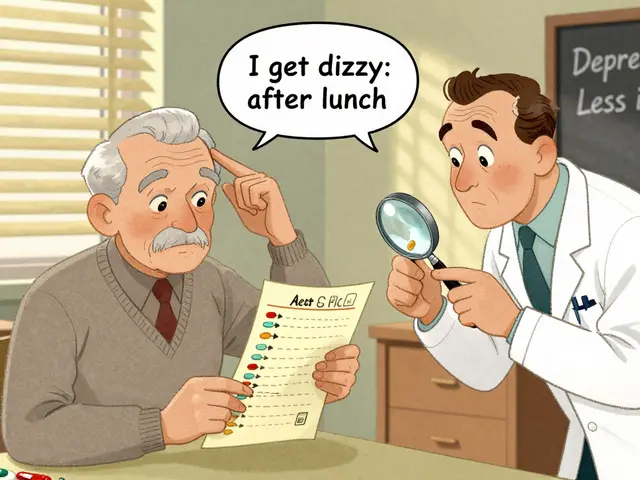
- New headaches, dizziness, or nausea.
- Changes in sleep patterns or energy levels.
Verifying Your Medication at the Pharmacy
Sometimes the issue isn't the generic drug itself, but which manufacturer made it. Different companies produce the same generic medication, and while they must meet FDA standards, slight variations in inactive ingredients (like fillers or dyes) can affect how some sensitive individuals react.
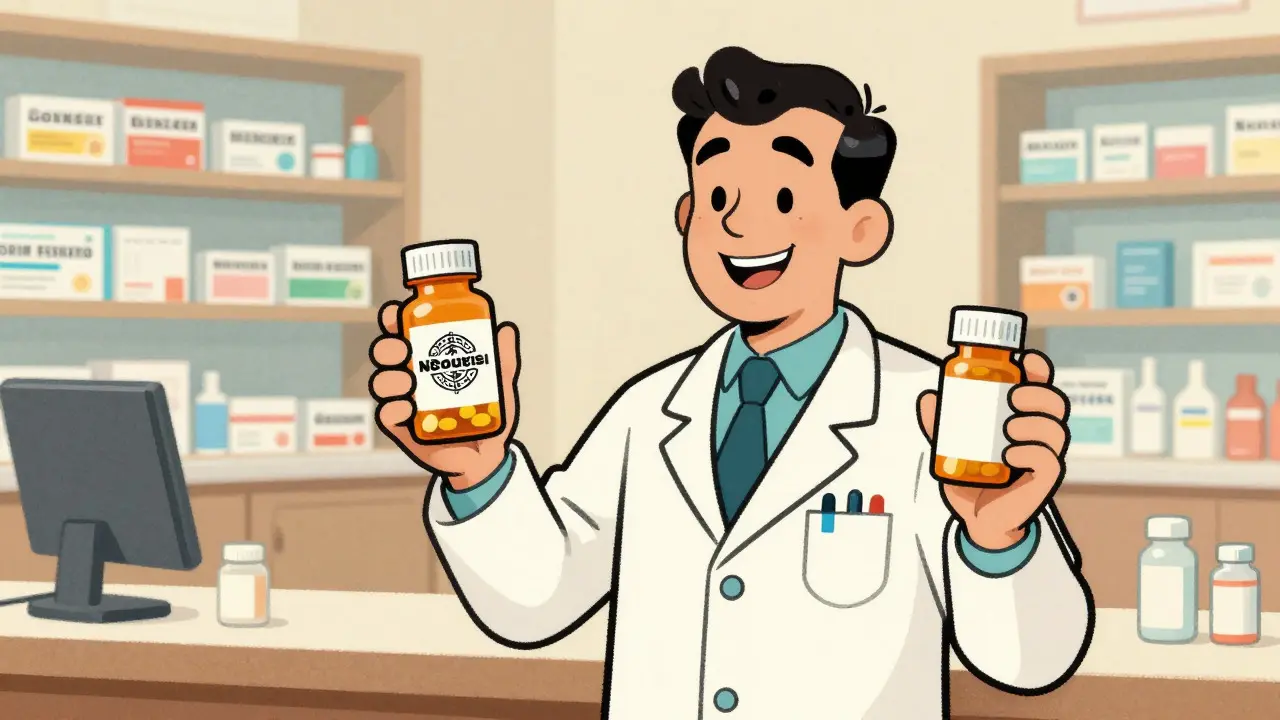
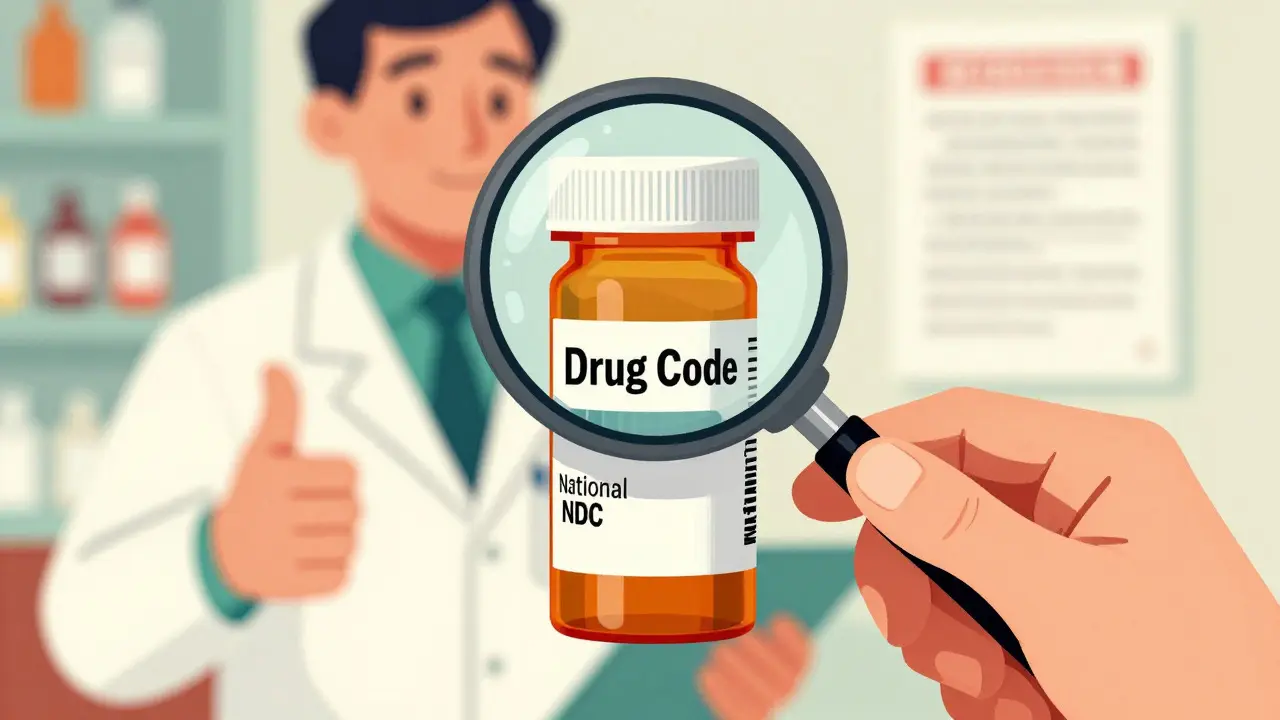
You can verify exactly what you are getting by checking the National Drug Code (NDC) number on the bottle. This unique identifier tells you the labeler, product, and package size. If you notice a change in the pill’s color, shape, or imprint compared to what you took before, ask your pharmacist. They can check if the manufacturer changed. Consistency is key. If you find a specific generic brand that works well for you, ask your doctor to specify that manufacturer in your prescription, or ask your pharmacy to stick to one supplier whenever possible.
The FDA’s Orange Book contains a section on 'Consistency of Therapeutic Equivalence Evaluations.' While this is technical, your pharmacist can use it to identify medications with potential switching concerns. Don't be afraid to ask questions. Pharmacists are trained to spot these issues and can often provide solutions without needing to switch back to the expensive brand name.
Reporting Issues: How to Use MedWatch
If you suspect the generic medication is causing problems, you have a direct line to the FDA. The MedWatch program, established in 1993, is the primary reporting mechanism for adverse events. In fiscal year 2022, the FDA received 1.2 million reports through this system.
To file a report, you don't need to be a medical professional. Go to www.fda.gov/medwatch or call 1-800-FDA-1088. When you report, provide specific details:
- The NDC number of the drug.
- The lot number found on the bottle.
- A precise description of the issue (e.g., "seizure occurred 2 hours after dose" rather than "drug didn't work").
Real-World Experiences and Data
It’s natural to look at others’ experiences to gauge your own risk. Data from platforms like PatientsLikeMe shows that among 42,315 patients who switched to generics, 92.7% maintained equivalent symptom control. Only 1.2% required medical intervention. Similarly, a Consumer Reports survey found that 89% of adults were satisfied with their generic medications.
However, negative experiences do happen. They are most frequently reported for levothyroxine (12% of thyroid medication switchers), lamotrigine (9% of antiepileptic switchers), and bupropion (7% of antidepressant switchers). If you fall into these categories, be extra vigilant. But remember, for every person who struggles, dozens of others thrive on the generic version. The goal is to find out which group you belong to through careful, proactive monitoring.
Future of Generic Drug Safety
The landscape of drug safety is evolving. The FDA plans to implement the Drug Supply Chain Security Act (DSCSA), which will establish an electronic system to track prescription drugs through the supply chain. This will enhance the ability to monitor specific generic product batches and quickly recall problematic ones. Additionally, the FDA aims to use artificial intelligence for postmarketing surveillance, with a goal of analyzing 100% of adverse event reports related to generic drugs within 72 hours by 2025.
Until then, you are your own best advocate. By understanding the science, tracking your symptoms, and communicating openly with your healthcare providers, you can switch to generics with confidence. You get the benefits of lower costs without sacrificing peace of mind.
Are generic medications as effective as brand-name drugs?
Yes, for the vast majority of patients. The FDA requires generic drugs to demonstrate bioequivalence, meaning they deliver the same amount of active ingredient into the bloodstream as the brand-name drug. Studies show that less than 1% of adverse event reports involve true therapeutic inequivalence. However, individual responses can vary, particularly with drugs that have a narrow therapeutic index.
What is a narrow therapeutic index (NTI) drug?
An NTI drug is a medication where the difference between a therapeutic dose and a toxic dose is very small. Examples include warfarin, levothyroxine, and certain anti-seizure medications. Because even small variations in absorption can lead to significant health issues, patients taking NTI drugs need closer monitoring when switching between brand and generic versions.
How long should I monitor my health after switching to a generic?
The American Academy of Family Physicians recommends monitoring for at least 30 days post-switch. For chronic conditions or NTI drugs, continue monitoring for up to 90 days. During this period, track symptoms, biomarkers (like blood pressure or blood sugar), and any new side effects. Schedule follow-up appointments within 14 days if you are on high-risk medications.
Can inactive ingredients in generics cause side effects?
Yes. While the active ingredient is identical, generic manufacturers may use different inactive ingredients such as fillers, binders, or dyes. Some patients may have sensitivities or allergies to these substances, leading to mild side effects like stomach upset or rash. If you experience new symptoms, consult your doctor or pharmacist to rule out reactions to inactive components.
How do I report a problem with a generic medication?
You can report adverse events or quality issues to the FDA via the MedWatch program. Visit www.fda.gov/medwatch or call 1-800-FDA-1088. Provide the National Drug Code (NDC) number, lot number, and a detailed description of the issue. Your report helps the FDA monitor drug safety and investigate potential problems.