Diabetes Medication Sugar Intake Calculator
How this tool works: Enter the sugar content of your foods to see how much added sugar you're consuming and how it affects your diabetes medications. Based on research from the article, consuming over 25g of added sugar per day can reduce medication effectiveness by 15-28%.
Add Your Foods
Your Results
Medication Effectiveness Impact
Enter your values to see how your sugar intake affects medication effectiveness.
Recommendations
Your results will appear here.
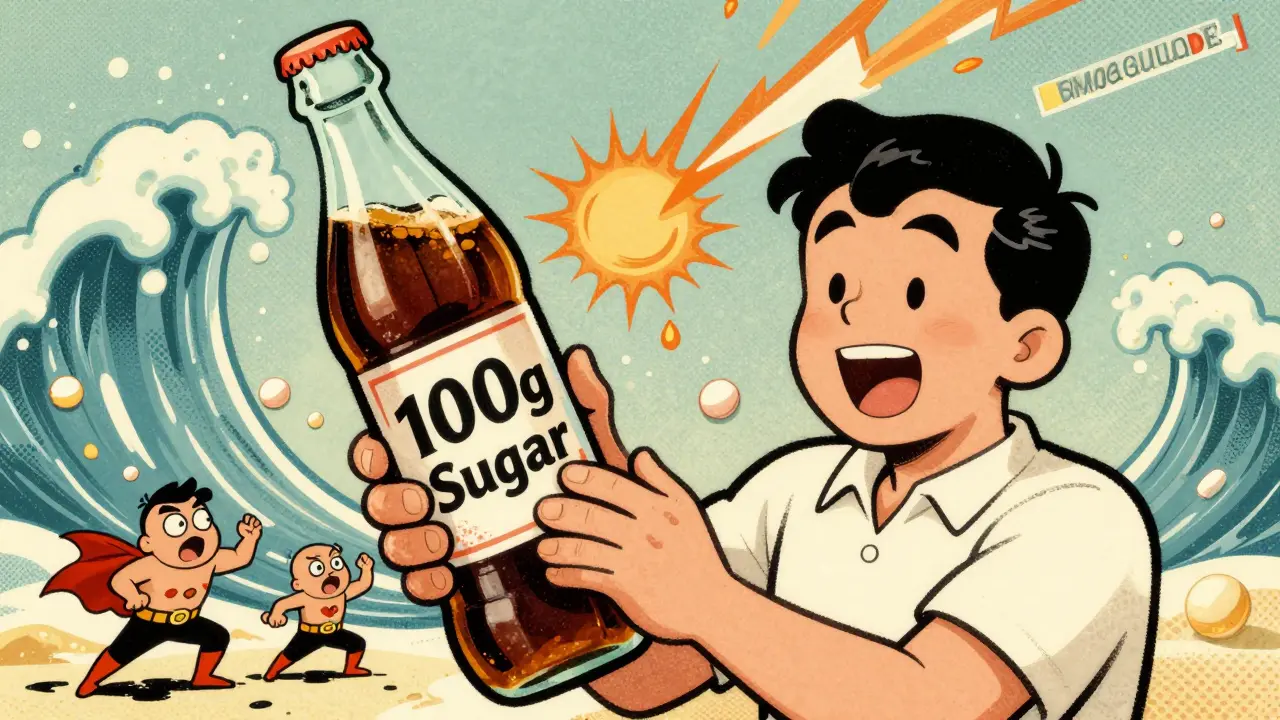
Key Takeaway: According to the article, people consuming 100g of added sugar per day need 28% higher metformin doses to get the same results as those limiting sugar to under 25g daily. The American Diabetes Association recommends less than 50g of added sugar per day, but for better control, aim for under 25g.
When you’re on diabetes medication, what you eat isn’t just about weight or energy-it directly changes how well your drugs work. Many people think popping a pill is enough to keep blood sugar in check. But if you’re drinking sugary sodas, snacking on pastries, or eating fruit juice without thinking, your medication might be fighting an uphill battle. The truth is simple: sugar intake doesn’t just raise your blood sugar-it can weaken the effect of your diabetes drugs.
How Sugar Undermines Diabetes Medications
Diabetes medications don’t work in a vacuum. Metformin, the most common first-line treatment, lowers blood sugar by reducing how much glucose your liver makes and helping your muscles absorb it better. But if you eat 100 grams of added sugar a day-about eight teaspoons in a single soda and a candy bar-you’re flooding your system with glucose faster than the drug can handle. A 2022 GoodRx analysis found that people consuming that much sugar needed 28% higher metformin doses just to get the same results as those limiting sugar to under 25 grams daily.
It’s not just metformin. Drugs like glyburide and repaglinide force your pancreas to pump out more insulin. That’s great when you eat a consistent meal. But if you skip breakfast, then eat a big slice of cake at lunch, your body gets hit with too much insulin when it doesn’t need it-and then crashes. The Cleveland Clinic reports patients with irregular sugar intake have 3 to 5 hypoglycemic episodes per year. Those with inconsistent eating habits? Up to 20.
Even newer drugs like semaglutide or dapagliflozin, which help you lose weight or flush out sugar through urine, still lose some punch with high sugar. Studies show they’re 15-20% less effective in people who regularly consume over 100 grams of added sugar daily. No medication cancels out a bad diet. They’re tools, not magic.
What Foods to Avoid with Diabetes Medications
Not all sugar is created equal, but some sources are especially dangerous when you’re on medication. Here are the top seven food categories to limit or avoid:
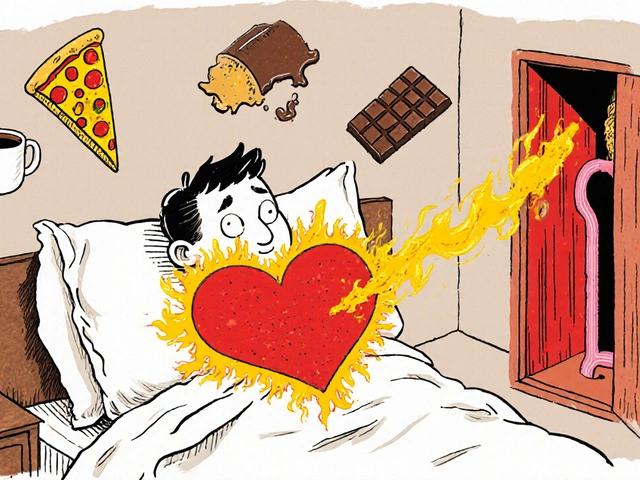
- Sugary drinks: Soda, sweetened tea, fruit juice with more than 20g sugar per serving. One 12-ounce soda has about 39g of sugar-almost the entire daily limit for some people.
- High-sugar fruits: Mangoes, grapes, cherries, and pineapple pack more sugar per serving than you might expect. A cup of grapes has 23g of sugar. Eat them, but count them.
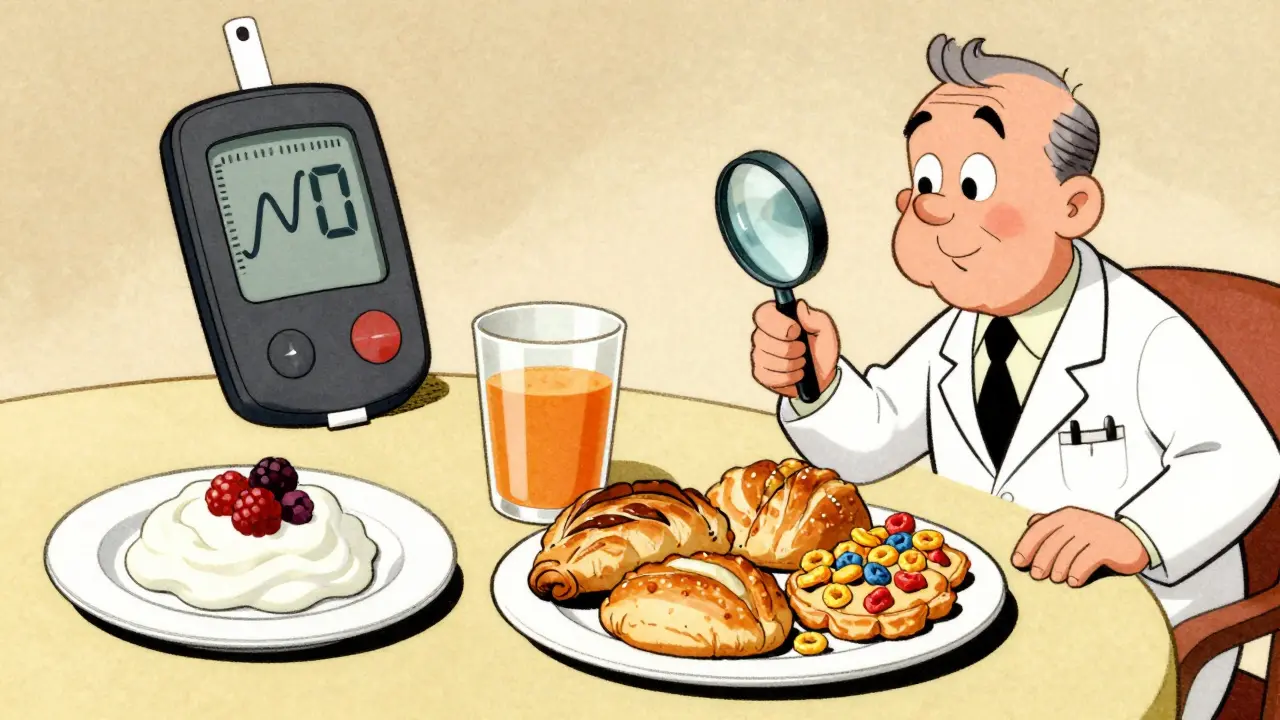
- Processed snacks: Granola bars, flavored yogurts, packaged cookies. Many have 15g or more of added sugar per serving-hidden in plain sight.
- Refined carbs: White bread, bagels, pastries. These break down into glucose faster than table sugar, spiking blood sugar even if they’re not sweet.
- High-fat meals: Fried chicken, cheeseburgers, creamy pasta. Fat slows digestion, which delays how fast sugar hits your bloodstream. That messes with how your body and medication respond, leading to unpredictable highs and lows.
- Sweetened alcohol: Cocktails with syrup, liqueurs, sweet wine. Alcohol already affects liver function, and adding sugar makes it harder for metformin to work properly.
- Low-fat dairy with added sugar: Many "light" yogurts replace fat with sugar. A single cup can have 20g or more. Plain yogurt with fresh berries is a better choice.
The NHS and ADA both warn that sugary beverages alone make up 44% of all added sugar in the American diet. Cutting them out is often the single biggest step someone can take to improve medication effectiveness.
Why Consistency Matters More Than Perfection
You don’t need to be perfect. But you do need to be consistent. If you’re on a sulfonylurea like glipizide, your body expects a certain amount of carbs at each meal. If you eat 40g of carbs at breakfast one day and 80g the next, your insulin levels won’t match your food. That’s when hypoglycemia strikes-sometimes hours after eating.
The Cleveland Clinic’s rule? Keep carb intake within 15g of your usual amount per meal. That’s about one slice of bread or half a cup of rice. It doesn’t mean eating the exact same thing every day. It means knowing what your body is used to and staying close to it.
Continuous glucose monitors (CGMs) show this clearly. Patients on metformin who eat high-sugar meals have 2.3 times more episodes above 180 mg/dL and spend nearly half their day in high blood sugar compared to those who stick to low-GI foods. Low-glycemic-index foods (under 55) like beans, oats, and non-starchy vegetables improve insulin sensitivity by 25-40%, making your meds work better without needing higher doses.
How Other Medications Interfere
Diabetes doesn’t live alone. Many people take other drugs that make sugar control harder:
- Prednisolone: A steroid often used for inflammation. It can spike blood sugar by 50-100 mg/dL within a day. If you’re on this, your diabetes meds may need a temporary boost.
- Furosemide: A water pill for high blood pressure or swelling. In 32% of patients taking it with metformin, doctors had to adjust the metformin dose to avoid complications.
- Hormonal birth control: Estrogen-containing contraceptives alter how your body uses glucose. A 2021 study found 27% of users needed changes to their diabetes regimen.
If you’re starting a new medication-even something as simple as a cold pill-ask your doctor or pharmacist if it affects blood sugar. Many don’t realize the connection.
What Works Better: Diet + Meds
Medication alone is slow. Medication plus smart eating? Fast.
A 2024 study from the American Association of Clinical Endocrinologists found that patients who got nutrition counseling alongside their diabetes meds reached their HbA1c target (under 7.0%) in 6.2 months. Those on meds alone? 11.7 months. That’s almost five months faster.
And the results stick. Patients who complete a 12-week nutrition program with their diabetes care team need 63% fewer emergency visits for high or low blood sugar in their first year. They also require fewer medication changes-1.2 adjustments on average, compared to 3.7 for those who skip dietary guidance.
Yet only 39% of primary care doctors refer new diabetes patients to a registered dietitian. That’s a gap in care that’s costing people time, money, and health.
What to Do Right Now
You don’t need to overhaul your life overnight. Start with one change:
- Swap one sugary drink a day for water, unsweetened tea, or sparkling water with lemon.
- Check food labels for added sugar. If it’s more than 5g per serving, think twice.
- Write down what you eat for three days. Use a free app or just a notebook. You’ll be shocked what’s hiding in your meals.
- Ask your doctor for a referral to a registered dietitian. It’s part of standard care-but you have to ask.
- If you use insulin or an insulin pump, log your carbs every time you eat. People who do this have HbA1c levels 0.8% lower on average.
The goal isn’t to eliminate sugar forever. It’s to make sure your medication can do its job. Every gram of sugar you cut out is one less burden on your body-and one more chance for your drugs to work as they should.
Emerging Science: Personalized Sugar Responses
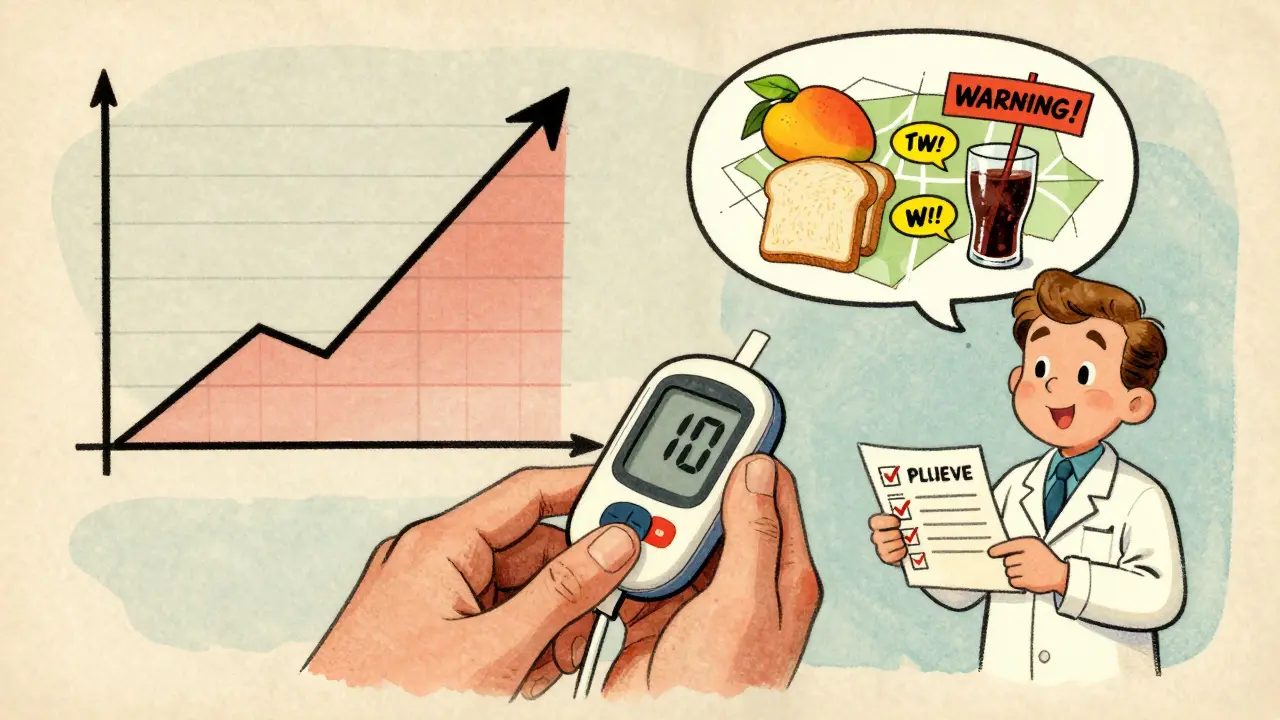
Not everyone reacts the same way to sugar. A 2025 review in the International Journal of Molecular Sciences found that some people spike badly from fructose (found in fruit and high-fructose corn syrup), while others react more to glucose-dominant carbs like white bread. This means one person might need to avoid mangoes, while another needs to cut out pasta.
Continuous glucose monitors are making this personalization possible. By tracking your own blood sugar after meals, you can build a map of what works for you. That’s the future of diabetes care: not one-size-fits-all diets, but individualized patterns based on real-time data.
For now, stick to the basics: limit added sugar, choose whole foods, and keep meals consistent. Your medication will thank you.
Can I still eat fruit if I have diabetes and take metformin?
Yes, but choose wisely. Berries, apples, and pears have less sugar and more fiber, so they raise blood sugar slower. Avoid mangoes, grapes, and dried fruit unless you’re counting them as part of your carb budget. Eat them with protein or fat-like a handful of nuts-to slow absorption.
Does metformin cause low blood sugar?
Metformin alone rarely causes low blood sugar. But if you combine it with other diabetes drugs like sulfonylureas, or if you skip meals while taking it, your risk goes up. High sugar intake can also lead to wild swings-then crashes-making it harder to predict your levels.
How much sugar is too much when on diabetes meds?
The American Diabetes Association recommends less than 10% of your daily calories come from added sugar-that’s about 50g for a 2,000-calorie diet. But for better control, aim for under 25g. People who keep sugar below this level need lower medication doses and have fewer blood sugar spikes.
Can I drink alcohol while taking metformin?
Moderate alcohol is okay, but avoid sweet cocktails, liqueurs, or mixed drinks with sugar syrup. These can cause dangerous lows, especially if you’re on insulin or sulfonylureas. Stick to dry wine, light beer, or spirits with soda water. Always eat something when you drink.
Why does my doctor keep changing my diabetes medication dose?
If your diet changes often-especially sugar and carb intake-your blood sugar will fluctuate. Your doctor adjusts your dose to match those changes. But if you eat more consistently, your doses will stabilize. That’s why diet tracking is just as important as medication timing.
Is there a test to find out which sugars affect me the most?
Yes-continuous glucose monitoring (CGM) can show you exactly how your body reacts to different foods. Some people spike on fruit, others on white rice. A 14-day CGM trial can help you build a personalized food plan that works with your meds, not against them.
What Comes Next
If you’re just starting diabetes meds, don’t wait to get help with your diet. The sooner you align your eating habits with your treatment, the faster you’ll reach your goals-and the less you’ll need to rely on higher doses or more drugs.
Ask for a referral to a registered dietitian who specializes in diabetes. Use a free app to track your meals and blood sugar for a week. Cut out one sugary drink. These small steps add up to big changes.
Your medication is powerful. But it’s only half the story. The other half? What’s on your plate.

Comments
Just swapped my morning soda for sparkling water with lemon. My BG hasn’t been this stable in years. Who knew the answer was this simple?
Y’ALL ARE STILL TALKING ABOUT SUGAR LIKE IT’S A CHOICE?!?! Your meds are useless if you keep eating like a toddler with a candy stash. I had to beg my doc to take me off glyburide because I was crashing every afternoon-turns out, it was the ‘healthy’ granola bars. I’m never trusting ‘low-fat’ again.
YOU CAN DO THIS!! I was at HbA1c 9.8 last year. Cut out the juice, started walking after dinner, and now I’m at 6.1. It’s not magic-it’s just not giving your body a reason to panic. You got this, fam!
i mean… like… sugar isn’t *evil* right? like… it’s just… glucose? and our bodies are… evolved? and… maybe… we’re just… not… used to… processed… stuff? like… maybe it’s not the sugar… it’s the… *industrialization* of food?…
Medication is a scaffold, not a foundation. The architecture of metabolic health is built on consistency, not pharmacology. To treat diabetes as a purely biochemical problem is to misunderstand its systemic nature. The body is not a machine to be calibrated-it is a living system to be respected.
Just wanted to add: check your vitamin D levels! Low D makes insulin resistance worse-and most people with diabetes are deficient. I started supplementing and my fasting sugars dropped 20 points in two weeks. Also, sleep matters. Don’t sleep less than 6 hours. Your pancreas needs rest too.
People don’t realize that the ADA’s 50g sugar limit is a political compromise, not a medical one. The WHO recommends 25g. The industry lobbied. Your doctor probably doesn’t know this. I’ve seen patients on metformin with 100g+ daily sugar intake and wonder why they’re not improving. It’s not the drug-it’s the denial.
Thank you for the comprehensive breakdown. I’ve been a clinical nutritionist for 18 years, and I can confirm: the data is unequivocal. Patients who adhere to consistent carbohydrate intake, even without weight loss, show significantly improved medication efficacy. The real barrier isn’t knowledge-it’s access. Only 12% of my patients receive dietitian referrals, despite Medicare covering them. Systemic neglect is the silent epidemic.
okay but like… what if you’re just… tired? and your kid has soccer practice and you’re working two jobs and you just… need something sweet to get through the day? i’m not lazy, i’m just… exhausted. and now i feel guilty? can we just… be real for a sec?
In my country, we don’t have sugary drinks in schools. No one thinks it’s normal to give kids juice boxes. We eat meals with rice, fish, and greens. Diabetes is rare. It’s not about willpower-it’s about culture. Maybe the real solution isn’t more pills… but less convenience.