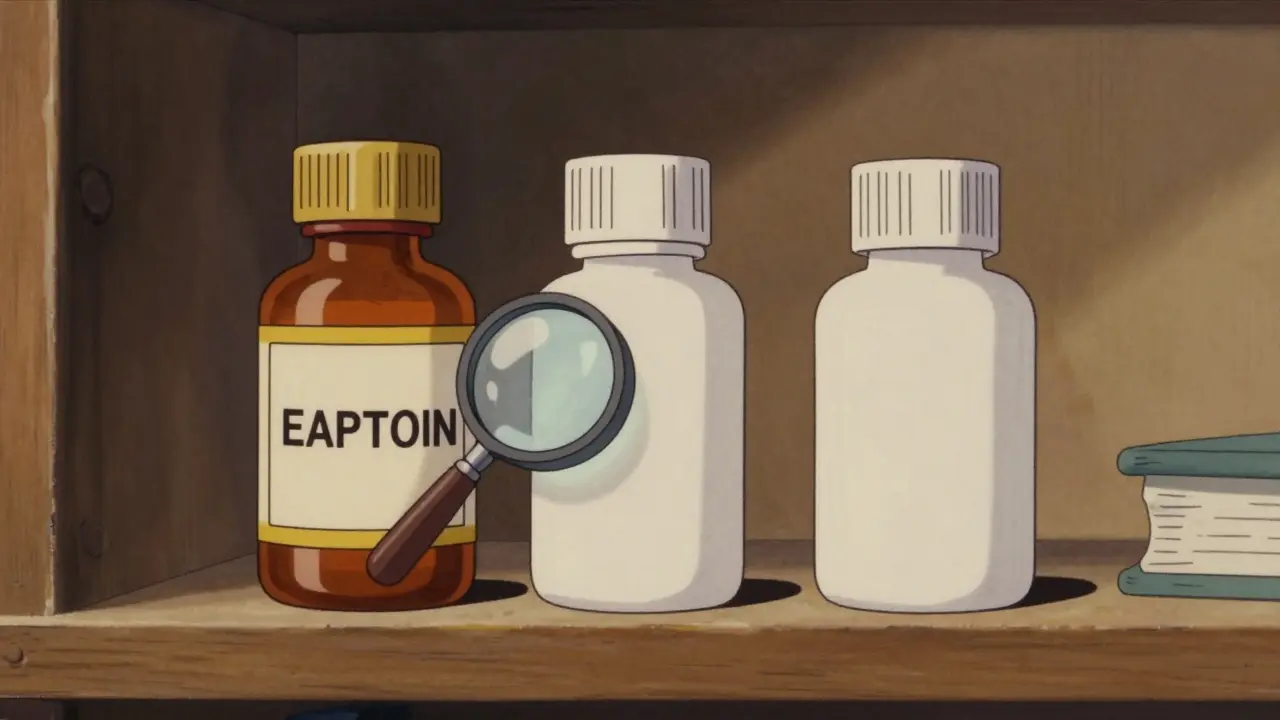
The Hidden Middle Ground of Prescription Drugs
If you've ever looked at your prescription bill and wondered why the pill looks different but still carries a "brand" price tag, you might have run into the world of authorized generics. These medications occupy a fascinating, often misunderstood space in the pharmacy ecosystem. Unlike the generics you find on most shelves, which are made by completely different manufacturers, authorized generics are chemically identical to the brand name product but sold without the brand name label.
This distinction matters significantly when it comes to insurance coverage. Many people assume all generics are the same, leading to surprise copays when their plan treats an authorized generic like a premium brand. Conversely, some insurers fail to recognize them properly, causing claim denials that delay treatment. Understanding where these drugs sit on your insurance formulary-the master list of covered drugs-can save you money and prevent unnecessary headaches.
Defining the Authorized Generic Difference
| Feature | Brand-Name Drug | Traditional Generic | Authorized Generic |
|---|---|---|---|
| Manufacturer | Original Manufacturer | Different Manufacturer | Same as Brand |
| Regulatory Pathway | New Drug Application (NDA) | Abbreviated New Drug Application (ANDA) | Under Original NDA |
| Bioequivalence Test | Required | Required | Bypassed |
| Price Point | Highest | Lowest | Similar to Generic |
To grasp why insurance forms react differently to these drugs, we need to look at how they get approved. Under the Federal Food, Drug, and Cosmetic Act, an authorized generic is defined as a listed drug marketed under the brand manufacturer's original New Drug Application. This means the exact same factory line produces the brand version and the authorized generic version; the only difference is the packaging and label. Because they bypass the need for Abbreviated New Drug Applications (ANDAs), they don't undergo the standard bioequivalence testing required for traditional generics.
This technicality creates a perception issue. While traditional generics require proof that they work the same as the brand, authorized generics are assumed to work identically because they literally come from the same source. For patients worried about inactive ingredients like dyes or fillers-which sometimes differ between traditional generics-this identity is reassuring. However, for insurance companies, it creates a classification challenge. Should they be treated as expensive brands or affordable generics?
Navigating Insurance Formulary Tiers
Your insurance plan operates on a tiered system known as a formulary. Generally, Tier 1 covers preferred generics, Tier 2 covers non-preferred generics, Tier 3 covers preferred brand names, and Tier 4 covers specialty or high-cost drugs. Traditionally, if you had a brand-name drug, you paid a higher copay. If you switched to a generic, you dropped to Tier 1 or 2.
Where does the authorized generic fit? Research from Health Affairs indicates that 87% of Medicare Part D plans place authorized generics in the same formulary tier as conventional generics. This is a crucial detail for budget-conscious patients. It means you should theoretically pay the lower generic copay, even though the drug is pharmacologically identical to the brand.
However, this consistency isn't universal. About 12% of plans treat authorized generics as brand-name products, forcing you to pay the higher Tier 3 or Tier 4 price. The disparity often depends on whether the Pharmacy Benefit Manager (PBM)-the third-party administrator handling claims-has updated their database codes correctly. When the PBM recognizes the National Drug Code (NDC) associated with the authorized generic, the lower generic pricing applies. If the code is misread or unrecognized, the claim might default to brand pricing.
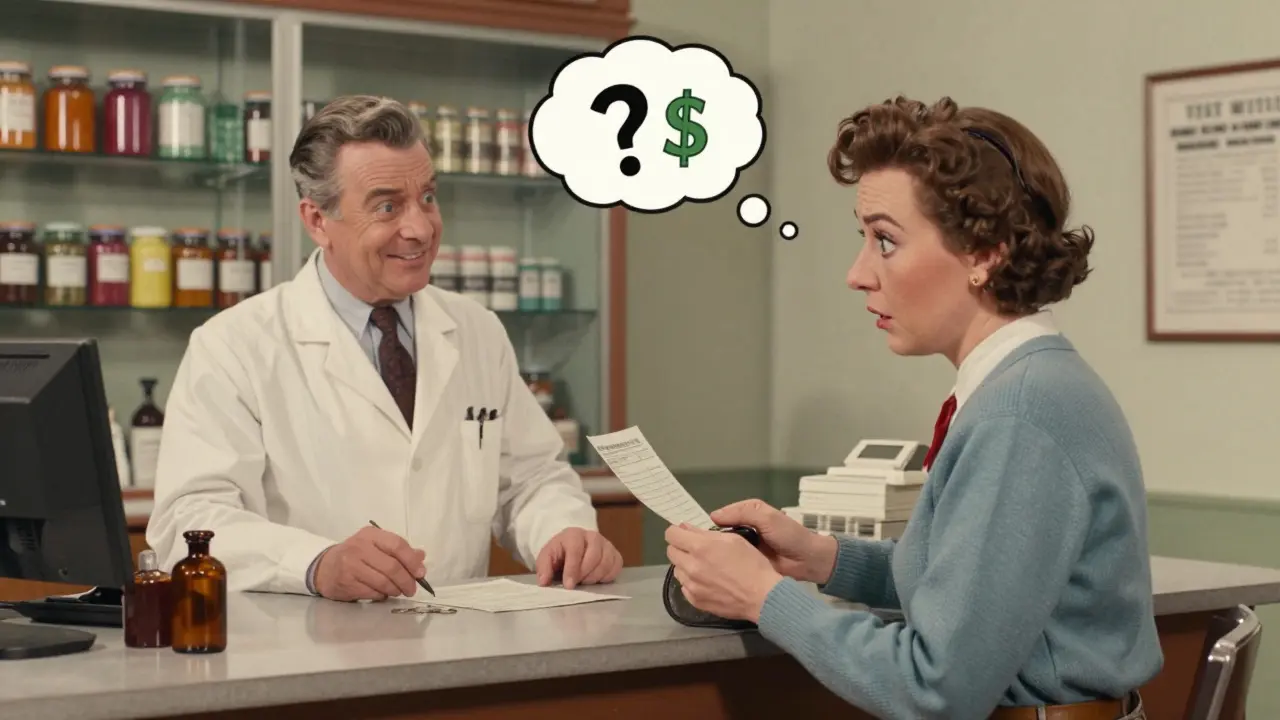
The Role of PBMs and Claim Processing
Pharmacy Benefit Managers act as the gatekeepers for insurance coverage. They maintain the databases that tell a pharmacy which price to charge. For authorized generics, the process is trickier than for standard drugs. Since authorized generics aren't always listed in the FDA Orange Book, PBMs rely on proprietary tracking systems to identify them.
Data from Express Scripts' transparency reports shows that 89% of authorized generic claims are approved on the first submission. This sounds high, but compare it to 92% for traditional generics. That 3% gap represents thousands of delayed fills every year. Why do they get rejected? Often, the pharmacy's software doesn't flag the drug as an "AG," or the prescriber's notes specify "dispense as written" for the brand name, creating a conflict with the substitution of the authorized generic.
Major players like OptumRx have started implementing "Authorized Generic First" policies for specific high-cost medications to curb expenses. This strategy incentivizes patients to accept the authorized generic immediately rather than waiting for patent expiration. In fact, recent trends show that 68% of large employers plan to differentiate coverage specifically for authorized generics versus traditional generics in future plan designs to drive down overall spending.
Practical Challenges for Patients and Pharmacists
While the numbers look good on paper, the reality at the counter can be messy. One common issue is identification. As of late 2023, the FDA maintained a list of approximately 147 active authorized generic products. Without regular updates, a local pharmacy system might not know to look for them.
We've seen cases where Walgreens reported a 12% error rate in initial authorized generic processing before they implemented specialized verification protocols. Imagine showing up for a refill, and the pharmacist asks, "Is the blue tablet okay or do you want the white one?" Both are the same company product, just labeled differently. If your insurance hasn't been told to expect the swap, you could face a temporary denial until the claim is manually verified.
Patient confusion adds another layer. GoodRx surveys found that 34% of patients experienced confusion when an authorized generic substituted for their brand medication without notification. Some users felt they were being cheated, assuming the generic was inferior quality when it was actually superior in that respect. Education is key here. If you see a price jump on your bill, check if the drug name has changed. Sometimes the box says a different trade name entirely, like Protonix becoming Lansoprazole Authorized Generic.
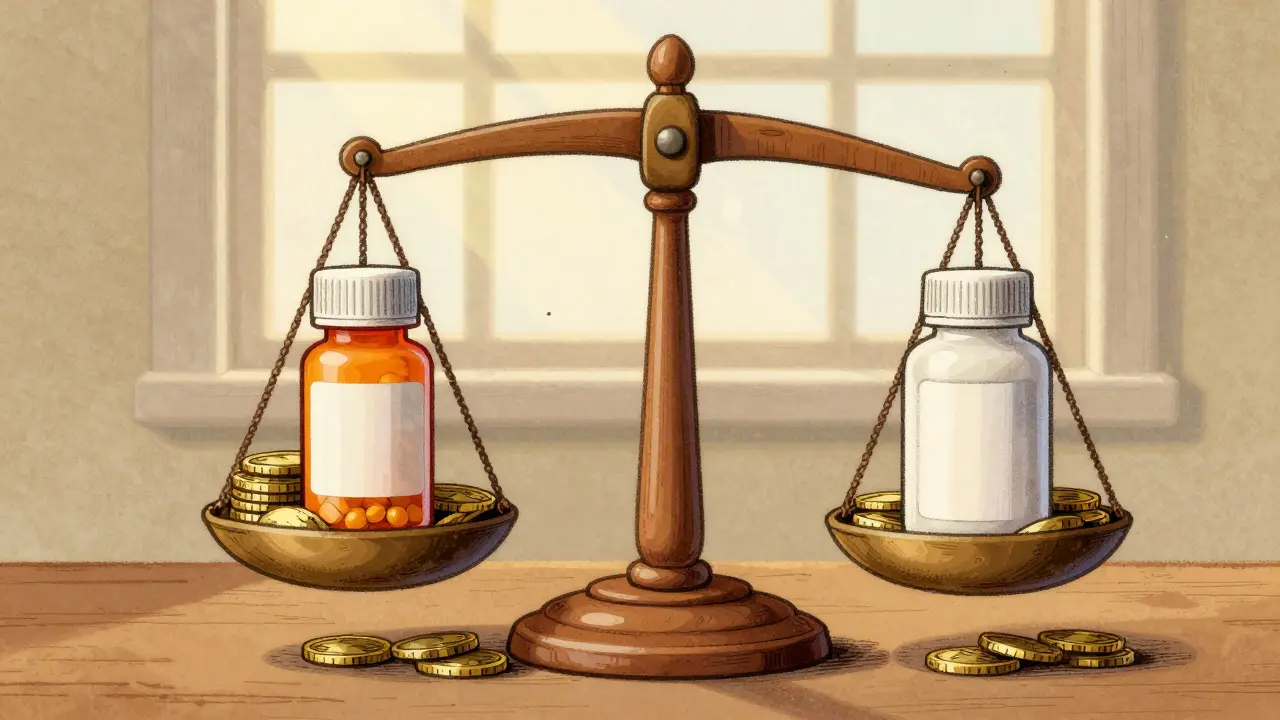
The Impact of the Inflation Reduction Act
Looking ahead, federal policy changes are reshaping how these drugs are handled. The Inflation Reduction Act introduced provisions affecting Medicare Part D pricing that effectively encourage the use of cheaper options, including authorized generics. CMS projections suggest a 15-20% increase in authorized generic coverage by 2025 as part of efforts to reduce out-of-pocket costs for seniors.
This regulatory shift aligns with broader industry movements. The FDA's 2023 Generic Drug User Fee Amendments included provisions to streamline authorized generic identification and reporting. This addresses previous concerns about market transparency. Previously, brand manufacturers sometimes used authorized generics strategically to extend market presence without lowering prices significantly. Now, with clearer tracking via tools like Prime Therapeutics' AG Tracker, which covers 98% of available products, the path to coverage is smoother.
Future outlook remains positive for patients seeking affordability. With three manufacturers accounting for 63% of production, supply is stable. The real risk lies in potential competition. The FTC continues to scrutinize strategies where authorized generics might slow the entry of true generic competitors. However, current evidence suggests that for patients, the immediate benefit of access to brand-quality drugs at generic prices outweighs these macroeconomic complexities.
Summary of Key Takeaways
- Authorized Generics are chemically identical to brand-name drugs but sold under the manufacturer's original application without the brand label.
- Formulary Placement: Most plans treat them like traditional generics (lower cost), but verify your specific plan to avoid unexpected brand pricing.
- Coverage Issues: About 11% of claims may initially stall due to coding errors or identification gaps between PBMs and pharmacies.
- FDA Guidance: There are roughly 147 active authorized generics currently tracked, with more expected due to new reporting mandates.
Are authorized generics cheaper than traditional generics?
Usually, yes. They typically cost 15-25% less than the equivalent brand-name drug and are priced similarly to traditional generics. However, this depends on your specific insurance formulary tier placement.
Do authorized generics require prior authorization?
In most commercial and Medicare plans, no. Because they fall under generic tiers, they rarely trigger step therapy or prior authorization requirements that usually apply to brand-name drugs.
How can I check if my drug has an authorized generic version?
You can check the FDA's published list of authorized generics. Additionally, your pharmacy can look up the specific National Drug Code (NDC) to confirm if a product qualifies.
Will my doctor notice if I take an authorized generic instead of the brand?
Physiologically, no. Since they are made by the same manufacturer using the same formulation, the therapeutic effect is identical. Your doctor will likely not distinguish between them during routine checks.
Why does my insurance deny coverage for an authorized generic sometimes?
Denials often happen due to system errors where the Pharmacy Benefit Manager hasn't flagged the specific National Drug Code correctly. This requires manual intervention by the pharmacy or pharmacist to appeal the claim.

Comments
Most people miss the NDC code issue entirely and get ripped off by their pharmacy instead.
My mother actually struggled with this exact situation last winter when her prescription changed without warning. She went to the counter expecting the blue pill she had taken for ten years and got handed something white instead. The pharmacist tried to explain it was authorized generic but she felt totally ignored and frustrated. It turns out the insurance system hadn't flagged the code correctly either so the bill came higher than usual. We ended up spending hours on hold with customer service trying to verify the national drug codes manually. That stress is really unnecessary given that the medication comes from the same manufacturing line anyway. I think more pharmacies need to train staff specifically on these labeling distinctions before patients arrive. If they knew to ask for the authorized generic specifically they could save money immediately at checkout. My dad had a similar scare with his heart medication where the packaging looked completely different. He thought he was being cheated even though the ingredients were listed as chemically identical on the bottle. Education definitely plays a huge role in making sure older adults understand these formulary changes. Without that knowledge we just pay whatever tier the computer defaults us into regardless of fairness. Hopefully the new FDA mandates help track these products better in the coming year or two. It feels like such a technical glitch that prevents people from accessing affordable healthcare options they deserve. We need to keep pushing for transparency so nobody gets stuck paying brand prices for generic pills. It really matters for families budgeting for monthly expenses.
You are ignoring the profit margins completely in your explanation. Companies push these authorized generics to block actual competitors from entering the market cheaply. It feels like a strategy rather than genuine patient care improvement for everyone.
makes sense honestly. seen this happen too much with prescriptions lately. hope the new rules help fix the billing errors.
Stop defending the system until you fix the denial rates. We are losing thousands of dollars because PBMs cannot identify basic codes. Patients deserve better than manual appeals for every refill.
Nothing new here just marketing fluff. They want you to buy the brand name version but hide it behind complex rules. Trust me this is not changing anytime soon.
The regulatory distinction is clear however execution remains problematic. Compliance with the Orange Book listings would streamline the process significantly. Further data collection is required to validate the claim approval percentages accurately.
True progress will come when manufacturers stop using these loopholes for price fixing. We must demand accountability from the corporations running these benefit plans. Change is inevitable but it will be forced through pressure not kindness.
This is such great news! Finally, something positive about health care costs! Everyone stay optimistic!! Keep spreading the word!!