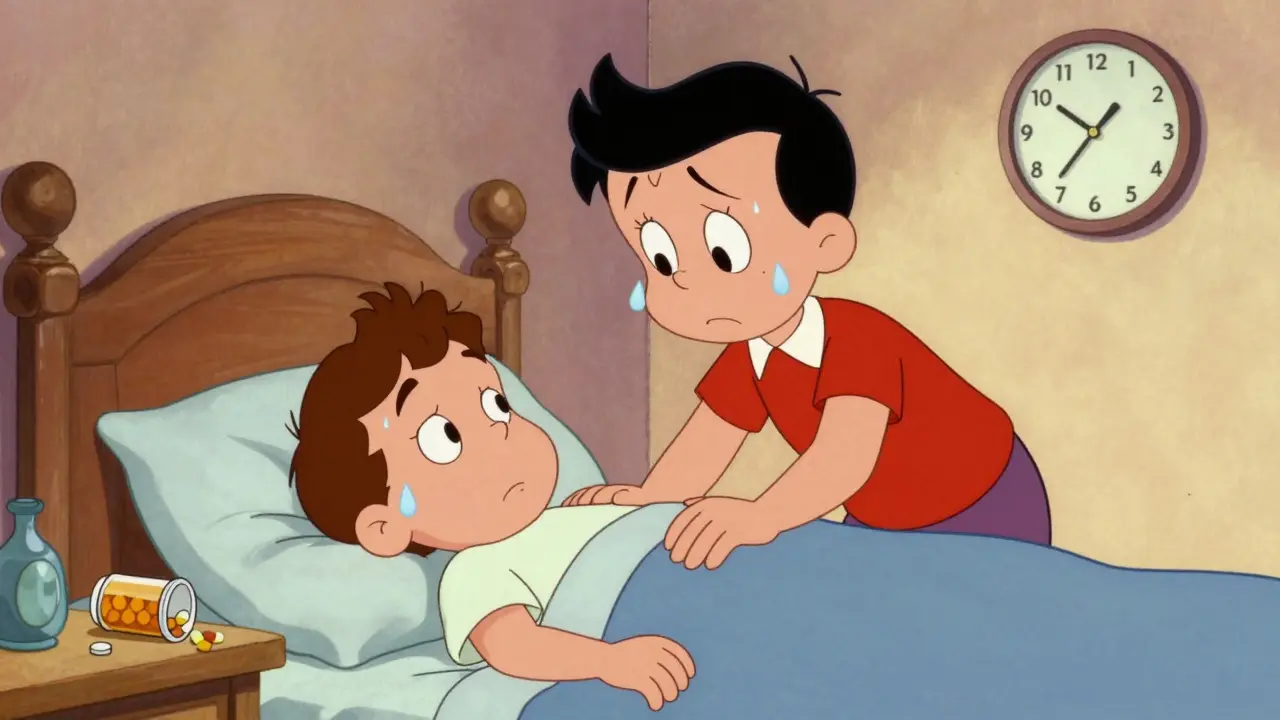
Someone takes a sleeping pill to help them rest. The next morning, they don’t wake up. No noise, no movement. A loved one shakes them, shouts their name, even pinches their arm. Nothing. This isn’t deep sleep. It’s an overdose. And every minute counts.
What Happens When Sedatives Overdose?
Sedatives and sleep medications-like zolpidem (Ambien), eszopiclone (Lunesta), temazepam (Restoril), and benzodiazepines such as alprazolam (Xanax)-slow down your brain and nervous system. That’s why they work. But take too much, or mix them with alcohol or opioids, and your body starts shutting down. Your breathing slows. Your heart rate drops. Your brain stops responding. In severe cases, you stop breathing entirely.According to the CDC, over 12,500 people died in 2021 from overdoses involving benzodiazepines alone. That’s more than double the number from just a decade earlier. Most of these deaths weren’t from street drugs-they came from prescriptions meant to help people sleep or manage anxiety. The danger isn’t always obvious. Many people think, “I just took one extra pill,” or “They’re just sleeping.” But sedative overdose doesn’t look like a nap. It looks like a coma that’s getting worse.
The Early Warning Signs
The first signs are easy to miss. They look like tiredness. Like a bad night’s sleep. But here’s how to tell the difference:- Unresponsiveness: Can you wake them? Shout their name. Shake their shoulder. Do a sternal rub-firmly rub the center of their chest. If they don’t open their eyes, move, or make any sound, they’re not sleeping. They’re overdosing.
- Slurred speech: Words come out slow, thick, or mumbled. Not just tired talking-this is like someone is drunk, even if they haven’t had a drop of alcohol.
- Extreme drowsiness: Not just sleepy. They can’t stay awake at all. Their head droops. Eyes roll back. They slump in a chair or on the floor.
- Confusion or memory loss: They don’t know where they are. Can’t answer simple questions like “What’s your name?” or “What day is it?” They might repeat the same thing over and over.
These symptoms don’t come on suddenly. They creep in. One person might seem “off” after dinner. Another might fall asleep on the couch and never wake up. That’s why timing matters. If someone took a pill an hour ago and now can’t respond, it’s not normal.
The Life-Threatening Signs
If the early signs are missed, things get dangerous fast. These are the red flags that mean you need to call emergency services right now:- Slow or shallow breathing: Count their breaths for 30 seconds. Normal is 12 to 20 breaths per minute. If they take fewer than 8 breaths in a full minute, they’re in respiratory arrest territory. If they’re taking less than one breath every 5 seconds, they’re minutes away from stopping breathing entirely.
- Cyanosis: Look at their lips, fingertips, and nail beds. If they’re turning blue or gray, their body isn’t getting enough oxygen. This is a late sign-and it’s critical.
- Cold, clammy skin: Their skin feels icy and wet. Their body temperature drops below 95°F (35°C). This isn’t just being cold-it’s a sign their systems are failing.
- Loss of coordination: They can’t stand. Their arms and legs move in strange, uncontrolled ways. They might stumble or fall without trying to catch themselves.
These symptoms are the body’s last attempt to survive. When breathing slows past the point of recovery, brain damage begins within minutes. Death follows quickly after.
Not All Sleep Aids Are the Same
It’s important to know what kind of medication someone took. Not all sleep aids act the same way in overdose.Benzodiazepines and Z-drugs (like Ambien) cause deep sedation but often don’t crash vital signs until it’s too late. Heart rate and blood pressure can stay normal even when someone is unconscious. That’s why people assume they’re just “deep asleep.” But their breathing is failing silently.
Barbiturates (older sedatives still used in some cases) are far more dangerous. They depress breathing at much lower doses. Overdose here is often fatal without immediate help.
Over-the-counter sleep aids like diphenhydramine (Benadryl, Tylenol PM) can also overdose. Symptoms are different: extreme drowsiness, dry mouth, flushed skin, fast heartbeat, hallucinations, and even seizures. These aren’t as likely to stop breathing-but they can still cause cardiac arrest or coma.
Melatonin is different. Even massive doses (like 240 mg) rarely cause life-threatening symptoms. You might get a headache or nausea, but not respiratory failure. That’s why it’s crucial to know what was taken.
Combining Drugs Makes It Worse
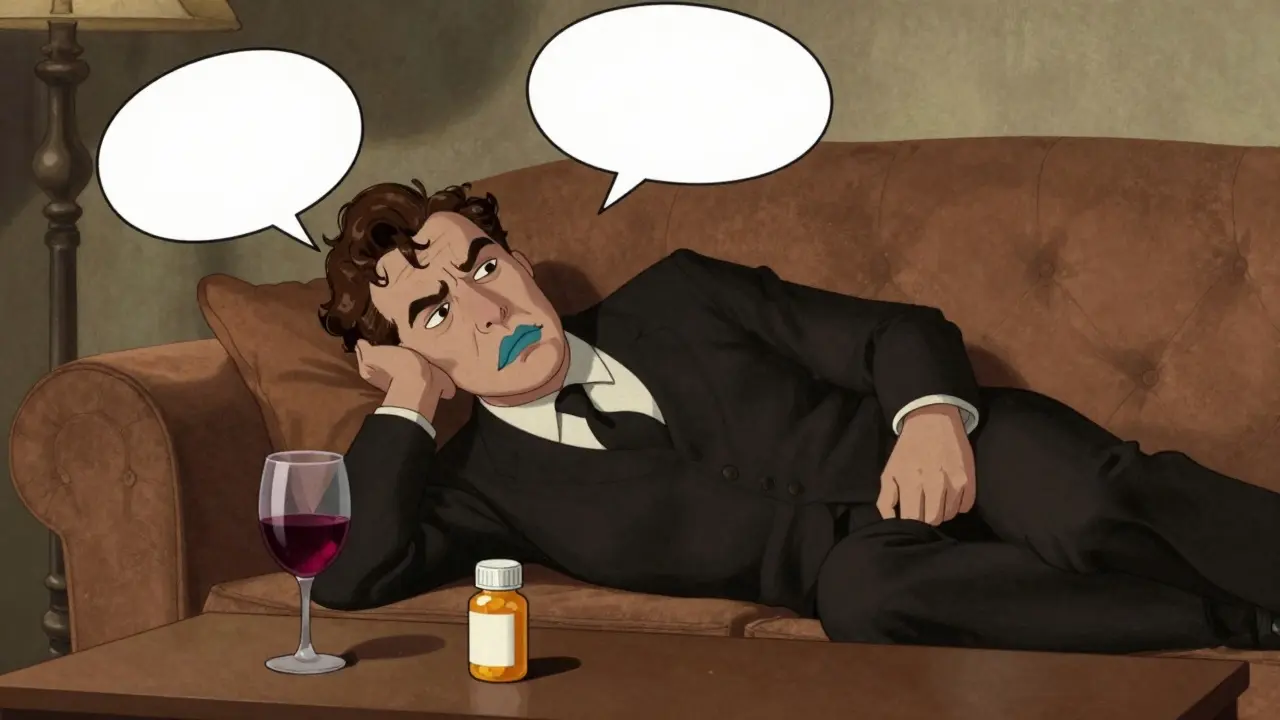
The deadliest overdoses aren’t from one pill. They’re from mixing.Alcohol and sedatives? That’s a deadly combo. Both depress the brain. Together, they multiply each other’s effects. The CDC found that 41% of fatal sedative overdoses involved alcohol.
Even more dangerous: mixing with opioids like fentanyl or oxycodone. In 2021, 23% of benzodiazepine overdose deaths also involved opioids. This mix is what kills most people. It shuts down breathing faster and harder than either drug alone. People don’t realize they’re taking both. Opioids are often hidden in counterfeit pills sold as Xanax or Adderall.
If someone took a pill they didn’t recognize, or if they’re mixing meds, assume the worst. Don’t wait. Act now.
What to Do If You Suspect an Overdose
There’s no time to check a website or call a doctor. You need to act immediately.- Check responsiveness: Shout their name. Shake them. Rub their sternum hard. If no response, move to step two.
- Check breathing: Look at their chest. Count breaths for 30 seconds. Multiply by two. If it’s less than 12 per minute, call emergency services now.
- Call 911 (or your local emergency number): Say: “I think someone overdosed on sleeping pills.” Tell them how many pills were taken, if you know. Mention if alcohol or other drugs were involved.
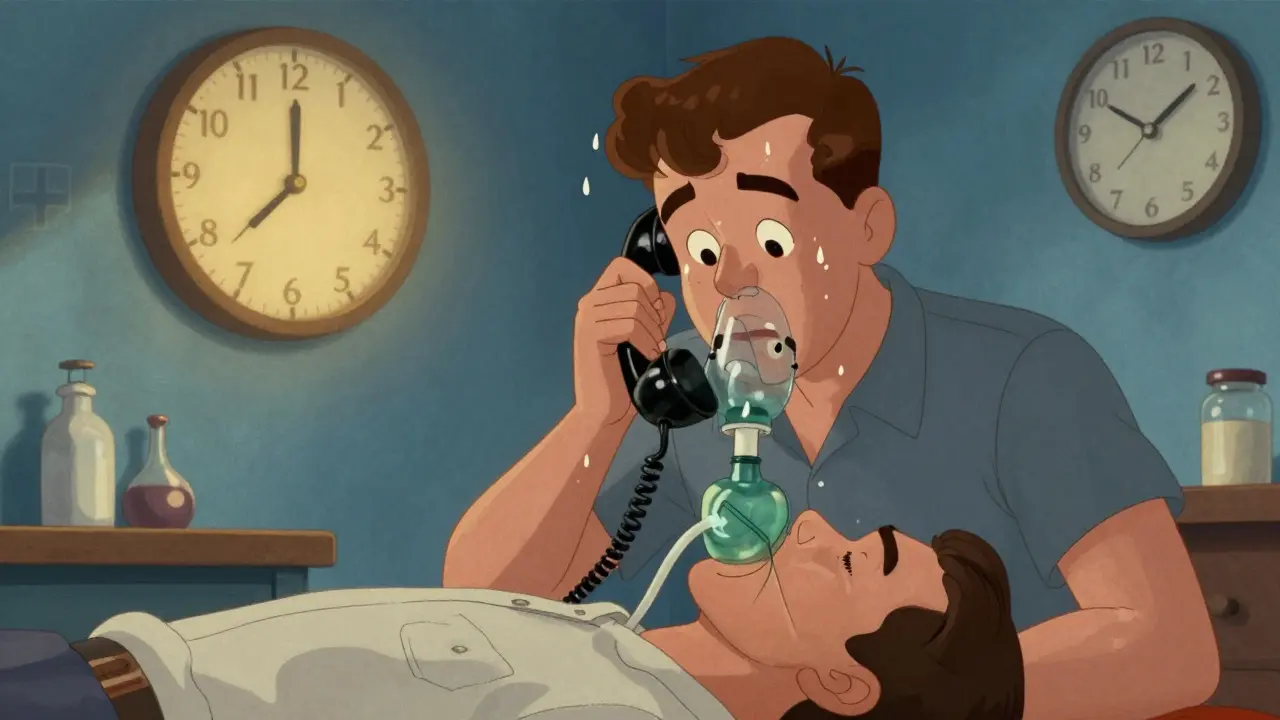
- Start rescue breathing if they’re not breathing: Tilt their head back, lift their chin. Pinch their nose. Give one breath every 5 seconds. Don’t stop until help arrives.
- Stay with them: Don’t leave them alone. Turn them on their side if they’re vomiting. Keep them warm.
Do NOT try to make them vomit. Do NOT give them coffee or cold showers. Do NOT wait to see if they “wake up on their own.”
Why People Delay Calling for Help
A 2022 study found that nearly 7 out of 10 people who witnessed a sedative overdose didn’t call 911 right away. Why? They thought the person was just “really tired.” Or “drunk.” Or “sleeping it off.”One Reddit user wrote: “I thought my roommate was just exhausted from work. I left him on the couch. He didn’t wake up until EMS got there-four hours later.”
Another said: “I assumed the slurred speech was from drinking. Turns out he hadn’t had alcohol in months.”
Delay kills. The longer you wait, the higher the chance of brain damage or death. Every minute past the first 10 minutes of respiratory depression cuts survival chances by 7 to 10%.
What Happens in the Hospital
Emergency teams will check oxygen levels, heart rhythm, and breathing. They’ll give oxygen. They might use a breathing tube if needed. They’ll monitor for seizures or heart problems.There’s a drug called flumazenil that can reverse benzodiazepine overdose. But it’s risky. It can trigger seizures in people who’ve been using these drugs long-term. That’s why it’s only given in hospitals, under strict supervision.
Most patients recover fully if they get help in time. But if breathing stops for more than 5 minutes, brain damage is likely. That’s why early recognition saves lives-not just treatment.
How to Prevent This From Happening
- Never take more than prescribed. Even “one extra pill” can be dangerous.
- Never mix with alcohol, opioids, or other sedatives.
- Keep pills locked up. Especially if someone in the house has a history of substance use.
- Use pill organizers with alarms. Don’t rely on memory.
- Ask your doctor: “Is this the lowest effective dose?” Many people are on doses higher than needed.
- Know the signs. Share them with family. Post the checklist near the medicine cabinet.
California’s ‘Don’t Die’ campaign distributed 250,000 overdose recognition cards to pharmacies last year. The result? A 22% increase in bystanders calling 911 in pilot areas. Knowledge saves lives.
Final Thought
Sedative overdose doesn’t happen because someone is weak or reckless. It happens because the signs are hidden. The symptoms look like rest. The danger is silent. But you can learn to see it. You can act. And if you do, you might just save someone’s life.Can you overdose on melatonin?
Yes, you can take too much melatonin, but it rarely causes life-threatening symptoms. Even doses as high as 240 mg (60 times the normal dose) typically only cause headaches, dizziness, nausea, or grogginess. Unlike prescription sedatives, melatonin doesn’t suppress breathing or cause coma. It’s not a CNS depressant like Ambien or Xanax, so overdose risk is very low.
Is it safe to give someone coffee or a cold shower if they overdose?
No. Coffee won’t wake someone up from a sedative overdose. Cold showers can cause shock and make their body temperature drop further. These are myths. The only thing that helps is emergency medical care. Calling 911 and starting rescue breathing if they’re not breathing are the only proven actions.
Can flumazenil be given at home?
No. Flumazenil is a reversal drug for benzodiazepines, but it’s dangerous outside a hospital. It can trigger seizures in people who are physically dependent on these medications. Even if they seem calm, long-term use can make them vulnerable. Only trained medical staff should give it.
What’s the difference between sedative and opioid overdose?
Opioid overdose usually includes pinpoint pupils, blue lips, and slow breathing. Sedative overdose often has normal-sized pupils and slower breathing without the classic “pinpoint” look. But when drugs are mixed-like opioids and benzodiazepines-the signs blur. That’s why you should never assume the cause. If someone is unresponsive and breathing poorly, treat it as a life-threatening emergency regardless of suspected drug.
Are newer sleep medications safer than older ones?
Not really. Drugs like Ambien (zolpidem) were marketed as safer than older benzodiazepines, but studies show they carry similar overdose risks, especially when combined with alcohol or other depressants. The FDA added a boxed warning to several insomnia drugs in 2023 because of serious risks, including death. Safety isn’t about how new the drug is-it’s about how it’s used.
Can someone overdose on sleep meds even if they take them as prescribed?
Yes. People can become more sensitive to the effects over time. Changes in liver function, aging, or mixing with other medications (like painkillers or antidepressants) can turn a normal dose into a dangerous one. Even prescribed use carries risk if the person has underlying health issues or takes multiple drugs.
What to Do After the Emergency
If someone survives a sedative overdose, they need more than medical care-they need support. Many overdoses are tied to untreated anxiety, depression, or insomnia. Recovery isn’t just about stopping the pills. It’s about finding safer ways to sleep and cope.Ask for help. Talk to a doctor. Consider counseling or a sleep specialist. Don’t assume they’re “fine” just because they woke up. The risk of another overdose is high without proper follow-up.
Keep the medicine locked. Monitor usage. Talk openly about risks. The best prevention isn’t just knowing the signs-it’s knowing how to stop it before it starts.
Comments
This is so important! I had no idea melatonin was so safe compared to other sleep meds. My aunt took Ambien and nearly died last year. Glad someone’s spreading this info.
Also, typo: 'sternal rub-firmly rub' should prob be 'sternal rub - firmly rub'. But still, lifesaving stuff!
I’m so tired of people dismissing this as ‘just sleeping it off.’ I’ve had to call 911 twice for friends who overdosed on Xanax + wine. One of them had brain damage. Don’t wait. Don’t assume. Call. Now.
And if you’re reading this and think ‘it won’t happen to me’ - you’re already in danger.
Thank you for writing this. I’m a nurse and I see this way too often. People think because it’s a prescription, it’s safe. Nope. Especially when mixed with alcohol or opioids. I’ve held hands while people stopped breathing. Please, share this with your family. Post it on your fridge. Your mom might not read medical blogs, but she’ll see a sticky note.
Let’s be honest - this is just another ‘public service announcement’ dressed up as journalism. The real issue is the pharmaceutical industry’s aggressive marketing of CNS depressants to vulnerable populations. You’re not solving the problem; you’re just teaching people how to recognize the symptoms after the damage is done.
And why is melatonin even in this article? It’s not a sedative. It’s a hormone. The comparison is misleading at best.
Also, ‘flumazenil is risky’ - yes, but so is every drug. Context matters. Your tone is alarmist without addressing root causes.
I’ve seen this post before. It’s the same crap every time. ‘Don’t mix drugs!’ Wow. Groundbreaking. Meanwhile, people are dying from fentanyl-laced pills they thought were Xanax. The real problem is the black market, not the meds themselves.
Also, ‘call 911’ - sure, if you’re not in a country where EMS won’t come or will arrest you for having drugs. Ever think of that?
I’m so glad you included the part about not giving coffee or cold showers. I used to think coffee would help my roommate when he passed out. I was so scared I didn’t know what to do. This article actually taught me how to respond. I’m sharing it with my whole family now.
One thing missing: the role of liver enzymes. Many people don’t realize that aging, certain antibiotics, or even grapefruit juice can drastically slow down how your body metabolizes these drugs. A normal dose can become toxic if you’re on a CYP3A4 inhibitor. That’s why some overdoses happen even with perfect compliance.
Also - if you’re on long-term benzos, don’t stop cold turkey. Withdrawal can be deadly too. Talk to your doctor.
I’ve been on Lunesta for 8 years. I know exactly how this feels. I’ve had days where I couldn’t get out of bed, even after 12 hours. People think I’m lazy. I’m not. I’m just barely surviving. This article didn’t help me. It just made me feel guilty.
This is performative harm reduction. You’re not preventing overdoses - you’re creating a culture of fear. People don’t need checklists. They need better mental healthcare, affordable therapy, and less stigma around insomnia.
Also, 23% of benzodiazepine deaths involved opioids? That’s not a sedative problem. That’s a fentanyl crisis. Stop misdiagnosing the issue.
I live in Canada and we have way better access to naloxone and harm reduction clinics. Why is this article only talking about 911? In my city, you can walk into a pharmacy and get a free overdose kit. Maybe stop scaring people and start telling them about real solutions?
Excellent breakdown. Especially the part about how sedative overdose doesn't look like sleep. I’m a sleep coach and I’ve trained over 200 families on this. One tip: keep a printed copy of the warning signs next to the medicine cabinet. Visual reminders save lives.
I lost my brother to this. He took one extra Ambien because he was stressed about work. He didn’t even drink. Just one extra pill. He was 28.
Now I tell everyone: if you’re taking sleep meds, keep them locked. Tell someone where they are. And if you’re ever unsure - call 911. Even if you feel silly. I wish I had.
The pharmacokinetic profile of Z-drugs exhibits non-linear dose-response curves due to saturation of hepatic CYP3A4 metabolism, which significantly elevates plasma concentration thresholds beyond therapeutic indices. This is why even micro-dose escalations can precipitate CNS depression.
Furthermore, the GABA-A receptor subtype selectivity of eszopiclone confers a higher risk of respiratory depression in elderly populations due to reduced receptor reserve.
Recommendation: implement pharmacogenetic screening prior to long-term prescription.
I find it troubling that this article does not address the ethical implications of prescribing sedatives to patients with untreated psychiatric conditions. The medical community has a responsibility to address root causes, not just symptoms.
Also, the use of the term 'life-threatening signs' is overly dramatic. Perhaps 'clinical indicators requiring urgent intervention' would be more appropriate.
I am profoundly moved by the clarity and compassion evident in this exposition. As a Canadian public health advocate, I must commend the meticulous attention to pharmacological nuance, particularly the differentiation between benzodiazepines and barbiturates. The inclusion of cultural context regarding emergency response protocols is both timely and necessary.
May this document serve as a cornerstone in the global campaign for informed pharmacological stewardship.