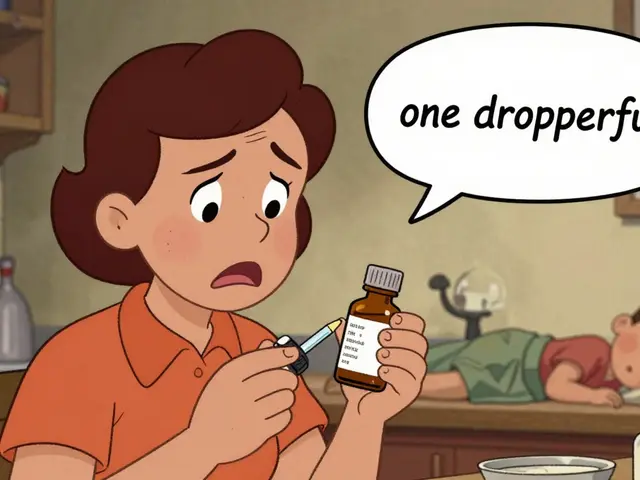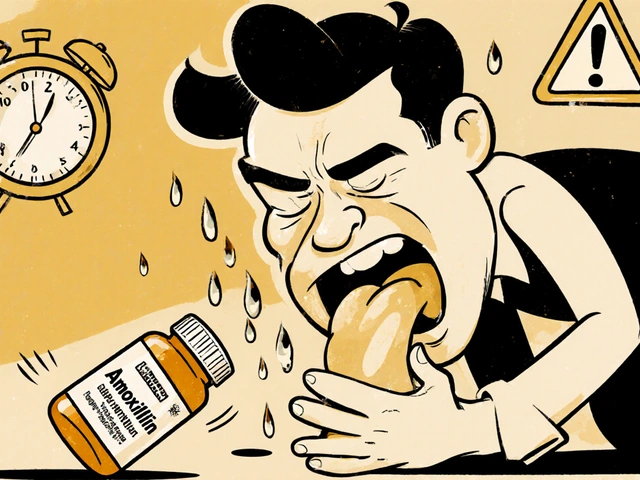
Imagine picking up a prescription for your blood pressure medication. You take it home, follow the instructions on the bottle, and feel fine. Or do you? Now imagine being in a hospital bed, hooked up to monitors, receiving an IV drip. In both scenarios, a medication error could happen. But which setting is actually safer for you? The answer isn't as simple as "hospitals are better" or "drugstores are worse." It depends entirely on how errors occur, who catches them, and what happens when they slip through the cracks.
We often assume that because hospitals treat sick people, they must be more prone to mistakes. Conversely, we might think retail pharmacies are low-stakes environments where errors are rare. The reality is far more complex. Hospital systems have higher raw error rates but robust safety nets. Retail pharmacies have lower error rates but fewer checkpoints before the medication reaches you. Understanding this dynamic is crucial for any patient navigating the healthcare system.
The Numbers Behind the Mistakes
To understand the risk, we first need to look at the data. When researchers analyze dispensing errors, they find stark contrasts between the two settings. According to a landmark 2018 meta-analysis published in the Journal of Patient Safety, community (retail) pharmacies have an overall dispensing error rate of approximately 1.5%. This means that out of every 100 prescriptions filled, about one and a half contain some form of mistake-whether it’s the wrong drug, the wrong dose, or incorrect instructions.
In contrast, hospital settings report much higher figures. A widely cited study from JAMA Internal Medicine found that nearly 20% of medication doses administered in hospitals contained an error. At first glance, this sounds terrifying. Why would a hospital have a 20% error rate compared to a pharmacy’s 1.5%? The key lies in how these errors are defined and detected. In hospitals, an "error" includes any deviation from the prescribed order, even if it is caught and corrected before reaching the patient. In retail pharmacies, many studies only count errors that actually reach the patient’s hands.
However, even when adjusting for detection methods, the volume of errors in retail settings is massive. The Agency for Healthcare Research and Quality (AHRQ) estimates that there are roughly 51 million dispensing errors annually in U.S. community pharmacies. While the percentage seems small, the sheer number of prescriptions filled daily means millions of patients are exposed to potential risks. In hospitals, while the rate per dose is higher, the total volume of medications administered is lower than the billions of retail prescriptions filled each year.
Who Catches the Mistake?
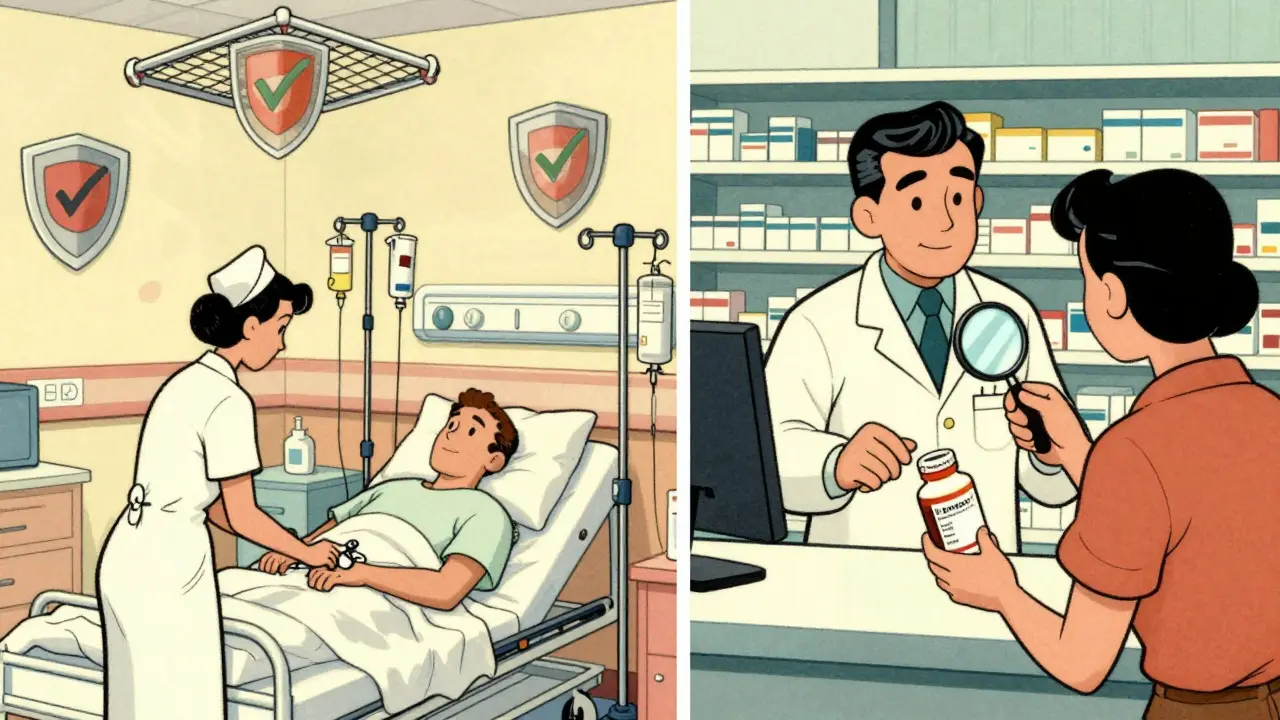
The most critical difference between hospital and retail pharmacy safety isn’t just the error rate-it’s the safety net. Think of a hospital like a factory with multiple quality control stations. A doctor writes an order, a pharmacist reviews it, a nurse verifies it against the patient’s chart, and finally, the nurse administers the drug. If the nurse notices the dose looks too high, she stops. The error is intercepted.
In a retail pharmacy, the process is different. The pharmacist fills the prescription, checks it, and hands it to you. Once you leave the counter, you are the final checkpoint. There is no nurse reviewing your dosage at home. No automated system scans your wristband to confirm the pill matches your identity. You are responsible for reading the label and understanding the instructions. This structural difference makes retail pharmacy errors potentially more dangerous because they lack intermediate verification steps.
This concept is known as the "closed-loop" system in hospitals versus the "open-loop" nature of retail care. Dr. David Bates, a prominent researcher in patient safety, has noted that hospital errors are frequent but have more safety nets, while community pharmacy errors are less frequent but more likely to reach the patient unchecked. This means that while you might encounter more hiccups in a hospital, you are less likely to suffer harm from them due to the layered defenses. In a retail setting, a single mistake by a technician can result in you taking the wrong medication for weeks before anyone notices.
Types of Errors: What Goes Wrong?
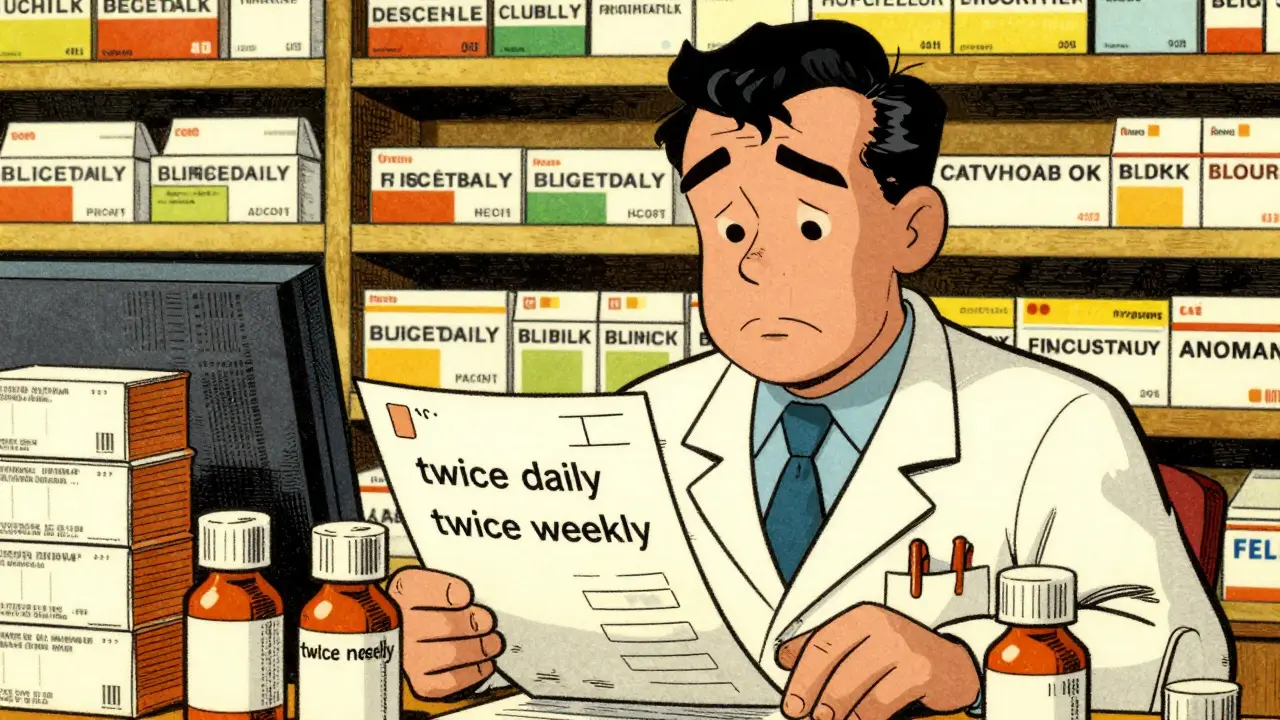
Not all errors are created equal. Some are minor typos; others can be life-threatening. In retail pharmacies, the most common types of errors involve transcription and labeling. For example, a prescription might say "take one tablet twice a day," but the label accidentally reads "twice a week" or vice versa. Another common issue is "look-alike, sound-alike" drugs. If a pharmacist confuses Celexa with Celebrex, the consequences can be severe.
In hospitals, errors often stem from communication breakdowns and complex patient conditions. Nurses may administer medication at the wrong time, or doctors may prescribe a drug that interacts negatively with another medication the patient is already taking. Because hospital patients are often critically ill, their bodies react differently to drugs, making dosing calculations more complex and prone to human error.
Let’s look at a specific example from AHRQ reports. In one case, a patient was prescribed estradiol, a hormone therapy. The prescription instructed "one tablet twice per week." However, the pharmacy label incorrectly stated "one tablet twice per day." The patient followed the label, leading to an overdose and significant side effects. This type of transcription error is rampant in retail settings because it relies heavily on manual entry and visual checks without a secondary clinical review.
| Feature | Hospital Setting | Retail Pharmacy Setting |
|---|---|---|
| Error Rate | High (~20% of doses) | Low (~1.5% of prescriptions) |
| Detection Mechanism | Multi-step (Pharmacist → Nurse → System) | Single-step (Pharmacist → Patient) |
| Common Error Type | Administration timing, interactions | Transcription, labeling, wrong drug |
| Patient Role | Passive recipient | Active final verifier |
| Reporting Culture | Mandatory, continuous monitoring | Variable, often underreported |
Why Do These Errors Happen?
Human error is inevitable. In retail pharmacies, cognitive overload is a major culprit. Pharmacists and technicians work in fast-paced environments, often filling hundreds of prescriptions a day. Distractions, fatigue, and poor lighting can lead to mistakes. A study involving 429 pharmacies found that organizational conditions and physical environment accounted for about 80% of dispensing errors. If the workflow is chaotic, mistakes will happen.
In hospitals, staffing shortages and communication gaps are primary drivers. When nurses are understaffed, they may skip double-checks or rush through administrations. Additionally, the complexity of hospital formularies-the list of approved drugs-is vast. A doctor might use an abbreviation that is misinterpreted by the pharmacy team. Handwritten orders, though less common now, still pose risks in some facilities.
Technology plays a dual role. In hospitals, barcode medication administration (BCMA) systems have reduced errors by up to 86% in some studies. These systems require the nurse to scan the patient’s wristband and the medication barcode, ensuring the right drug goes to the right person. Retail pharmacies are adopting similar technologies, such as AI-powered verification systems. CVS Health, for instance, implemented AI tools that reduced dispensing errors by 37%. However, technology is not a silver bullet. If the initial prescription is entered incorrectly into the computer, the AI may not catch it unless it flags a clinical interaction.
The Cost of Mistakes
Medication errors carry a heavy financial burden. The Academy of Managed Care Pharmacy (AMCP) estimates that medication errors cost the U.S. economy over $177 billion annually. This includes direct medical costs, lost productivity, and the intangible cost of suffering. In hospitals alone, treating drug-related injuries costs at least $3.5 billion per year.
For patients, the cost is personal. An error in a retail pharmacy might lead to an unexpected trip to the emergency room, resulting in bills and time off work. In a hospital, an error could prolong a stay or cause organ damage. The economic impact highlights why prevention is not just a clinical priority but a financial one. Insurance companies and healthcare providers are increasingly investing in safety protocols to reduce these costs.

How to Protect Yourself
Since you cannot control the internal processes of a hospital or a pharmacy, you must become an active participant in your own safety. Here are practical steps to minimize your risk:
- Read the Label Immediately: When you pick up a prescription, check the name of the drug, the dose, and the instructions before leaving the pharmacy. If something looks different from what you remember, ask questions.
- Ask Questions: Don’t be afraid to ask the pharmacist, "What is this medication for?" and "Are there any side effects I should watch for?" A good pharmacist will welcome this engagement.
- Use One Pharmacy: Consolidating all your prescriptions at one retail pharmacy allows the pharmacist to see your full medication profile, reducing the risk of dangerous interactions.
- Verify in Hospitals: If you are in a hospital, always verify your identity when a nurse approaches. Ask, "Is this my medication?" and "What is it for?" This simple step can catch errors.
- Report Errors: If you suspect an error, report it. Not only does this help you, but it also helps improve systems for future patients. Most states have mandatory reporting systems for pharmacies.
The Future of Medication Safety
The landscape of medication safety is evolving. Recent initiatives, such as the FDA’s Digital Health Center of Excellence, aim to integrate AI monitoring into both hospital and retail workflows. Pilot programs suggest that AI could reduce transcription errors by up to 63%. As electronic health records (EHRs) become more integrated across healthcare settings, the gap between hospital and retail safety may narrow.
However, technology alone won’t solve the problem. A culture of safety is essential. Both hospitals and retail pharmacies need to encourage non-punitive error reporting. When staff fear blame, they hide mistakes. When they feel safe to report near-misses, systems can be fixed before harm occurs. The National Coordinating Council for Medication Error Reporting and Prevention (NCC MERP) emphasizes that a closed-loop system with transparent reporting is the gold standard for care.
As patients, we must remain vigilant. Whether you are picking up a refill at the corner drugstore or receiving treatment in a hospital ward, understanding the risks empowers you to advocate for your health. Medication errors are a shared responsibility between providers and patients. By staying informed and engaged, you add another layer of protection to your care.
Which setting has more medication errors: hospitals or retail pharmacies?
Hospitals generally have a higher rate of medication errors per dose administered (around 20%) compared to retail pharmacies (around 1.5%). However, hospital errors are more likely to be caught by safety nets like nurses and automated systems before reaching the patient. Retail pharmacy errors are less frequent but more likely to reach the patient undetected because the patient is the final checkpoint.
What is the most common type of error in a retail pharmacy?
The most common errors in retail pharmacies involve transcription mistakes, such as incorrect dosage instructions on the label, or dispensing the wrong medication due to look-alike or sound-alike drug names. These errors often stem from high workload and cognitive fatigue among pharmacy staff.
How can I prevent medication errors when picking up prescriptions?
You can prevent errors by reading the prescription label carefully before leaving the pharmacy, asking the pharmacist to explain the medication's purpose and side effects, using a single pharmacy for all your prescriptions to allow for interaction checks, and verifying your identity and medication details if you are in a hospital setting.
Do hospitals have better safety systems than retail pharmacies?
Yes, hospitals typically have more robust safety systems, including multiple verification steps by pharmacists and nurses, barcode scanning technology, and continuous monitoring. Retail pharmacies rely more heavily on the pharmacist's initial check and the patient's final review, offering fewer intermediate safeguards.
What should I do if I suspect a medication error?
If you suspect an error, stop taking the medication immediately and contact your pharmacist or doctor. Report the incident to the pharmacy or hospital so they can investigate and prevent future occurrences. In many regions, you can also file a report with your state board of pharmacy or the FDA MedWatch program.