The Magic of Buck's-Horn Plantain
Right, so picture this: you're out in nature, perhaps on a hike or a casual stroll (maybe even with a loyal Beagle named Buster), and you come across a plant. It's not a particularly remarkable plant; in fact, it's rather unassuming. But its ordinary nature belies the extraordinary properties it possesses. I'm talking about Buck's-Horn Plantain, a leafy green plant that holds a secret weapon for your health, much like a trove of nature's unseen treasures.
Harbouring a plethora of health benefits, Buck's-Horn Plantain is a potent force in the world of health and wellness. With its ability to improve digestion, boost immunity, and even aid in skin care, there's so much more to this humble plant than meets the eye. As an ardent nature lover and someone who believes in the magical healing power of plants, I couldn’t but explore this wonder of nature and share with you all about its phenomenal benefits.
Unearthed History of Buck's-Horn Plantain
So, where did Buck's-Horn Plantain come from? Picture a time before modern medicine, when native healers harnessed the power of plants to heal the body. You'd find yourself amidst ancient Romans, quiet healers in Africa, or even indigenous Australians who believed in the magic of their native flora. Buck's-Horn Plantain has been used for centuries, if not millennia, across various cultures for its incredible healing properties.
Often overlooked due to its common occurrence in almost any backyard, this plant has significantly contributed to traditional medicine and continues to amaze science with its majestic power. The plant's name, Buck's-Horn, comes from its leaves' resemblance to antlers, oddly illuminating how nature intricately links us all, reminding us of the interconnected web of life where each element balances and supports another.
Unveiling the Health Benefits
The benefits of Buck's-Horn Plantain are as varied as they are significant. Each part of this plant, from the leaves to the seeds, holds a healing promise that can contribute positively to our overall health. It is a powerhouse of vitamins C and K, not to mention essential minerals such as calcium and potassium.
Incorporating this plantain into your diet can improve digestion, reduce inflammation, and boost your immune system. It's a natural diuretic, helping the body shed excess water and toxins, thereby promoting kidney health. Topically, it soothes and heals, restoring skin to its former glory. Yes, the wonders of this plant are many and magnificent, enough to make you consider cultivating your own plantain patch!
What Science Says About Buck's-Horn Plantain
Now, you might be wondering about the science backing up all these claims. Well, fear not; a swathe of research points to these health benefits. According to a fascinating study published in Nutrients, Buck's-Horn Plantain extract had measurable effects on blood glucose levels, providing an additional weapon in the fight against diabetes.
Another study from the Journal of Ethnopharmacology showcased the plant's diuretic properties. The research found that plantain tea significantly increased urine output in participants, thereby confirming its potent diuretic capabilities. So, this isn't just folk knowledge we're dealing with here; the power of Buck's-Horn Plantain is grounded in scientific research, adding credibility to its long-standing status as a natural healer.
Harnessing the Power in Your Kitchen
Capturing the benefits of Buck's-Horn Plantain may seem daunting, but it's simple as pie. You can add the leaves to salads or stews, brew a tea, or make a poultice for external application.
A personal tip from yours truly: make plantain-infused oil! It's great for soothing dry skin, and Buster, my Beagle, seems to appreciate it too! Just remember always to use fresh, quality plant material, preferably from a trusted organic source; maintaining the purity of this natural wonder is crucial to unlock its full potential.
Considerations With Supplements
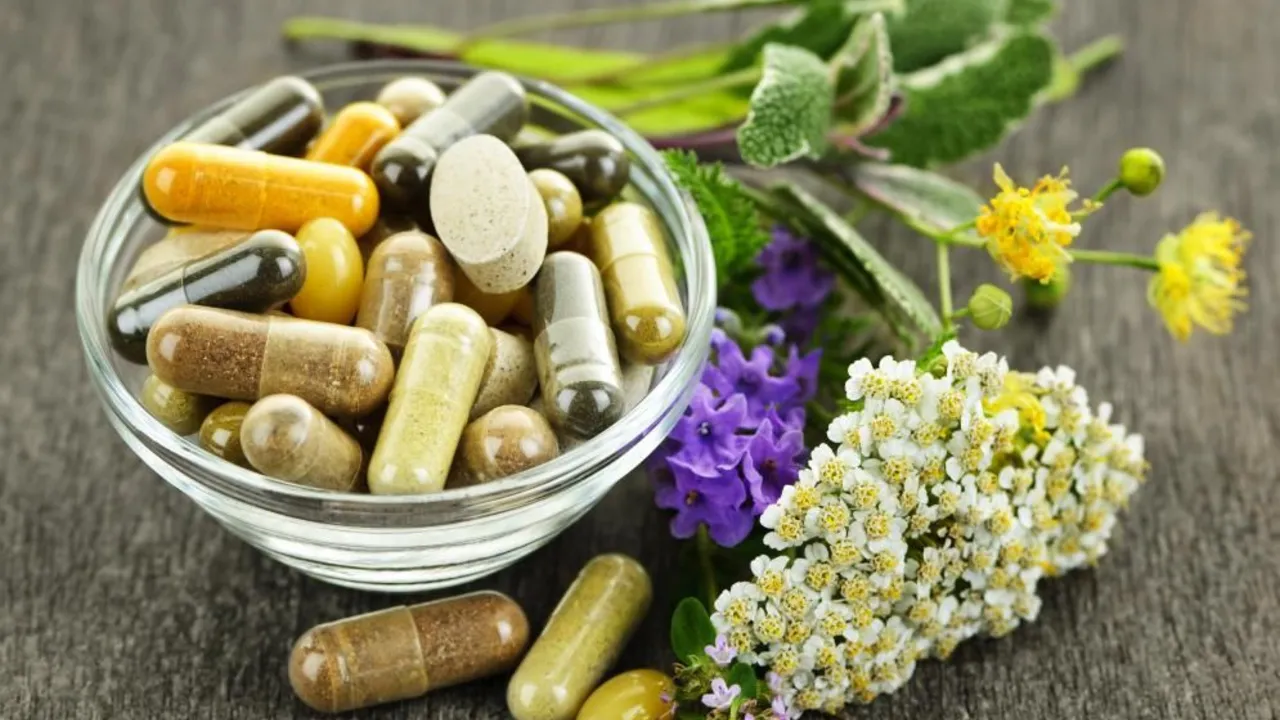
You might be thinking, "Sure, adding leaves to my meals is easy enough, but I'm fundamentally lazy by nature!" Trust me, I get you. Fortunately, for those seeking a simpler route, Buck's-Horn Plantain supplements serve as an excellent alternative to harness its benefits. The compact capsules can effortlessly slot into your daily routine, bringing you closer to health and wellness.
Like everything, moderation is key when it comes to supplementation. Always follow the recommended dosage and ensure to pair it with a varied and balanced diet. Also, consider consulting a health expert or naturopath before introducing new supplements into your routine.
Beware of Misidentification and Allergies
I must insist, however, that you be cautious. Not every green leafy plant is our dear friend, Buck's-Horn Plantain. Misidentification could lead to unpleasant surprises. Therefore, if you're foraging for your own plantain, ensure you correctly identify the species. Consult with a local expert if you're unfamiliar with the flora in your area.
Furthermore, while Buck's-Horn Plantain is generally safe for consumption, some individuals might have allergies or adverse reactions. So, introduce it gradually and monitor your body's response. Ideally, check with an allergist or a health expert if you have any known allergies or prevailing health issues.
Appreciating Nature's Tapestry
Exploring the richness of nature and unlocking her secret weapons like Buck's-Horn Plantain might just be one of life's greatest pleasures. From giving your immune system a boost, detoxifying your system, to improving your skin's health, this plant has its fair share of laurels. It's an unassuming hero of the plant kingdom, cloaked in commonality but brimming with vitality-infusing potency.
I'll leave you with a thought. Next time you curl your knees under a blanket with a cup of tea, or trot around the park with a Buster equivalent, take a pause to appreciate nature's tapestry woven from remarkable threads like the Buck's-Horn Plantain. Because nature, my friends, is always replete with secrets for those who dare to delve deeper.

Comments
OMG I tried this last summer after my eczema flared up 😍 I crushed the leaves into a paste, slapped it on my arm, and within 2 days it was like a whole new skin. No more itching. No more redness. Just pure chill vibes. 🌿✨
bro this is wild. i used to think weeds were just nature's trash but now i see they're basically nature's pharmacy. buck's-horn plantain? sounds like something a wizard would brew. i'm gonna go forage this weekend. if i don't come back, tell my dog i loved him.
THIS IS A GMO COVER-UP. THEY DON'T WANT YOU TO KNOW THAT THE GOVERNMENT AND BIG PHARMA ARE PAYING PEOPLE TO CALL THIS A 'WEED'. THEY'RE SCARED. WHY? BECAUSE IF YOU CAN HEAL YOURSELF WITH A PLANT IN YOUR BACKYARD, YOU WON'T BUY THEIR $200 PILLS. LOOK AT THE HISTORY. THEY BANNED HERBS IN THE 1930S. THIS ISN'T NATURAL-IT'S A CONSPIRACY.
look, i'm not saying we need to go full caveman and chew on leaves like a goat, but come on. we've been so disconnected from the earth that we think medicine has to come in a bottle with a barcode. this plant? it's been around since before the pyramids. it doesn't need a patent. it doesn't need a marketing team. it just... works. and honestly? maybe we're the ones who need to evolve, not the plant.
I’m sorry, but this post is dangerously misleading. You mentioned ‘supplements’ as if they’re equivalent to whole-plant consumption. That’s a gross oversimplification. Bioavailability, extraction methods, and dosage variability are critical. Also, you didn’t cite the study authors or journal DOIs. This isn’t wellness blogging-it’s pseudoscience with a pretty photo.
The utilization of Plantago lanceolata as a phytotherapeutic agent, while historically documented across multiple ethnobotanical traditions, remains subject to significant methodological limitations in contemporary clinical validation. One must exercise considerable caution in extrapolating in vitro results to in vivo human applications without peer-reviewed, randomized controlled trials. One cannot, in good conscience, endorse such assertions without rigorous epistemological grounding.
You said ‘Buster, my Beagle, seems to appreciate it too!’-but did you ask Buster? Did you get his consent? Did you consult a veterinarian? This is irresponsible. Animals can’t speak, but that doesn’t mean they don’t feel. You’re using a living creature as a prop for your wellness fantasy. 🙄
Lmao. So now we’re all supposed to be backyard herbalists? I barely remember to water my cactus. And ‘plantain-infused oil’? That’s just weed oil with a fancy name. I’m not risking my skin on some leaf I found in the park. 🤡
In India, we call this 'Nirgundi' or sometimes 'Kasamarda'. Used in Ayurveda for joint pain and respiratory issues. The seeds are dried and ground into powder. Also, the leaves are boiled with salt and used as a gargle for sore throat. It's common, yes-but never underestimated.
I’ve been eating this since I was a kid. Grew up in a field. Mum would boil it with garlic and butter. Tastes like earth and quiet. No magic. Just good food.
I just want to say how much I appreciate this post-it’s not just about the plant, it’s about reconnecting. I live in a city of 3 million people and I barely know the names of the plants growing between the sidewalk cracks. But now? I’m taking my daughter out every Sunday to identify one wild thing. Last week we found this exact plant. She called it ‘Buster’s leaf’ because she has a stuffed dog named Buster. We made a tea together. It tasted like moss and sunshine. I’m crying a little typing this. Thank you for reminding us that healing doesn’t always come in a pill. Sometimes it comes with dirt under your nails.
The study from Nutrients? It was a rat model. N=12. No control group. Also, plantain isn't even the primary species studied in most papers-it's Plantago major. You're conflating two different species. This is sloppy.
Interesting. But frankly, the entire premise feels like a performative return to ‘primitive wisdom’-a trend popular among Western millennials seeking authenticity in a commodified world. The plant is not a panacea. It is a phytochemical substrate with potential bioactivity. To elevate it to ‘nature’s secret weapon’ is to romanticize ignorance. The real secret weapon? Evidence-based medicine.
bro you're right. i just looked it up. it's Plantago major. not lanceolata. i feel like a fool. but hey, at least i'm learning. maybe i'll just eat both. they both grow in my yard anyway. and if i die? well... at least i died wild.