Serotonin Syndrome Risk & Symptom Checker
Medication Interaction Check
Select the medications you are currently taking or have been prescribed.
Symptom Self-Assessment
Based on Hunter Criteria. Select any symptoms experienced recently.
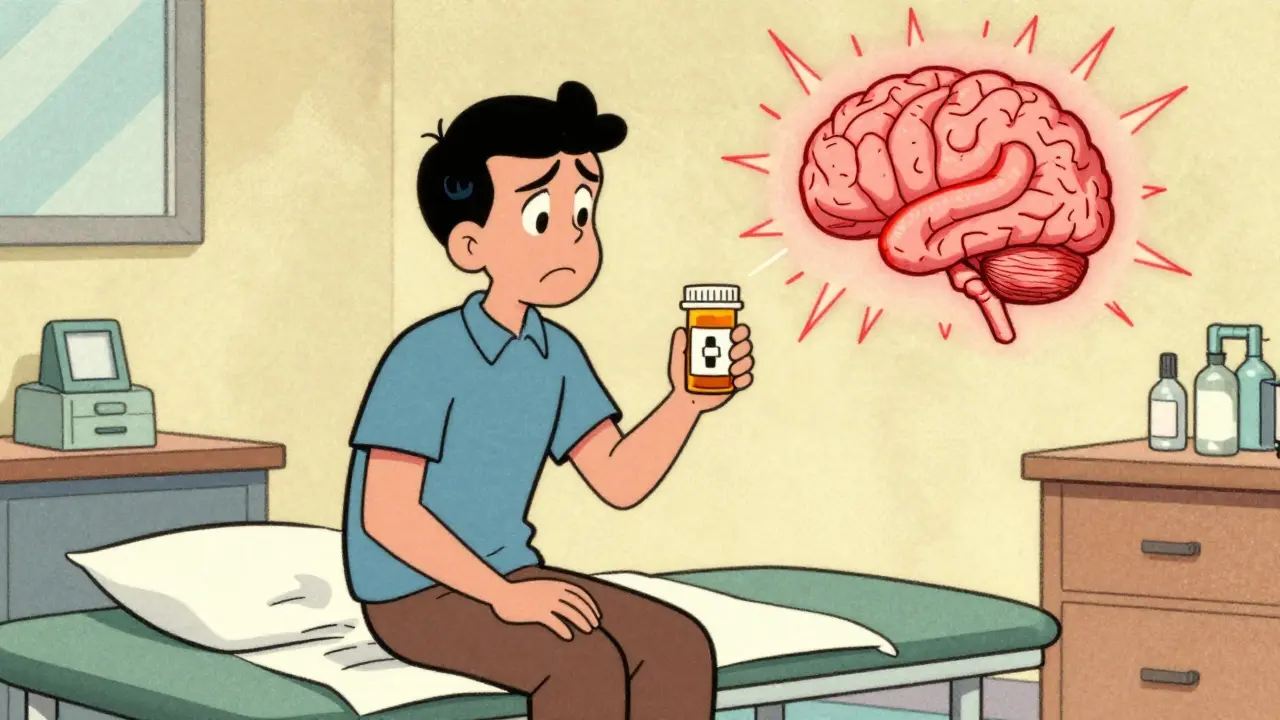
Imagine you are in the middle of chemotherapy or recovering from surgery. You feel sick to your stomach, so your doctor prescribes a common medication to stop the nausea. It seems like a simple fix. But if you are also taking an antidepressant for anxiety or depression, that "simple" combination could trigger a dangerous chain reaction inside your body known as serotonin syndrome. This is a potentially life-threatening condition caused by excessive serotonin activity in the brain and nervous system.
This isn't just theoretical fear-mongering. Data from the FDA Adverse Event Reporting System shows that cases involving these drug combinations have been rising. In fact, between 2018 and 2022, emergency department visits related to serotonin syndrome involving antiemetics jumped by 29%. While the absolute risk remains low-about 4.2 cases per 100,000 prescriptions-the consequences can be severe enough to require intensive care.
The confusion stems from how we classify these drugs. Most people know that antidepressants increase serotonin. What they often don't realize is that certain nausea medications interact with this same chemical pathway. Understanding this interaction is crucial for anyone managing multiple medications.
Understanding the Mechanism: How Serotonin Syndrome Happens
To understand the risk, you first need to understand what serotonin does. Serotonin is a neurotransmitter that helps regulate mood, sleep, and digestion. Under normal conditions, your brain maintains a delicate balance. When you take a selective serotonin reuptake inhibitor (SSRI), like fluoxetine or sertraline, it blocks the transporter that usually clears serotonin away, leaving more active in your synapses.
Serotonin syndrome occurs when this balance tips too far. It is not an allergic reaction; it is a toxic overload. The condition was first described in the 1960s, but modern medicine has identified that it results from acute surplus through several mechanisms: increased synthesis, inhibited metabolism, or enhanced release of serotonin.
The danger zone involves specific receptors, particularly the 5-HT1A and 5-HT2A subtypes. When these receptors are overstimulated, your body goes into overdrive. Symptoms appear quickly, often within hours of starting a new medication or increasing a dose. The classic triad of symptoms includes:
- Mental status changes (agitation, confusion)
- Autonomic instability (rapid heart rate, high blood pressure, fever)
- Neuromuscular abnormalities (tremors, muscle rigidity, hyperreflexia)
If left untreated, this cascade can lead to seizures, irregular heartbeat, and even death. The key takeaway here is that serotonin syndrome is dose-dependent and cumulative. Adding another drug that affects serotonin levels-even slightly-can push a patient from "stable" to "critical."
The Antiemetic Connection: Which Drugs Carry the Risk?
Not all nausea medications are created equal. To assess your risk, you need to look at the class of antiemetic you are prescribed. The most commonly implicated group is the 5-HT3 receptor antagonists.
Ondansetron (Zofran) is the most widely prescribed 5-HT3 receptor antagonist used to treat nausea and vomiting. Technically, ondansetron blocks 5-HT3 receptors, which should theoretically reduce serotonin signaling. However, clinical reality is messier than textbook pharmacology. A systematic bioinformatics analysis found that many drugs implicated in serotonin syndrome interact with the serotonin reuptake transporter (SERT). Ondansetron may have off-target effects that subtly influence other serotonin pathways.
Here is how different antiemetic classes stack up regarding risk:
| Drug Class | Common Examples | Risk Level with SSRIs/MAOIs | Primary Mechanism of Concern |
|---|---|---|---|
| 5-HT3 Antagonists | Ondansetron, Granisetron | Moderate | Potential off-target SERT interaction; lowers threshold for toxicity |
| Dopamine Antagonists | Metoclopramide (Reglan) | Moderate to High | Weak serotonin reuptake inhibition properties |
| NK1 Receptor Antagonists | Aprepitant | Low to Moderate | CYP450 enzyme inhibition (increases SSRI levels) |
| Corticosteroids | Dexamethasone | Low | No direct serotonergic activity |
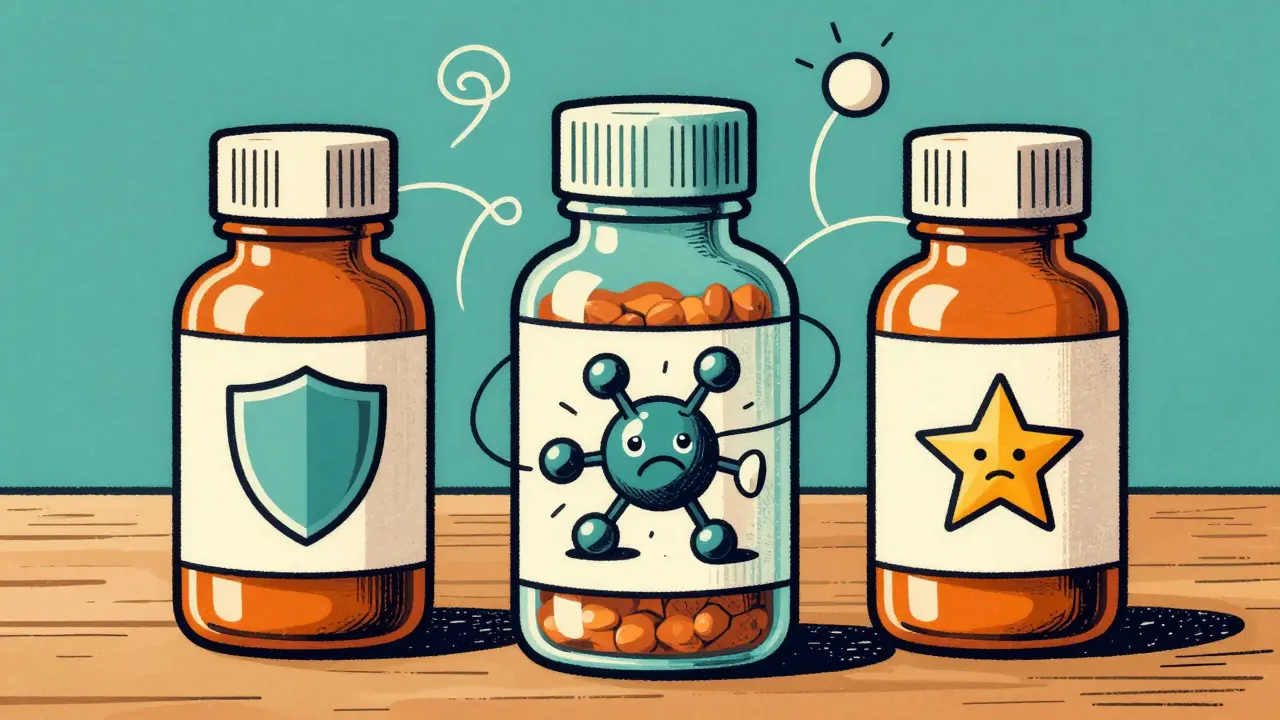
Metoclopramide presents a different kind of risk. Unlike ondansetron, it has weak serotonin reuptake inhibition properties. The FDA reported 17 confirmed cases of serotonin syndrome involving metoclopramide combined with SSRIs between 2004 and 2018. Meanwhile, aprepitant poses a risk not through direct serotonin action, but by inhibiting CYP3A4 enzymes. If your body uses CYP3A4 to break down your antidepressant, aprepitant can cause those antidepressant levels to spike dangerously high.
Who Is Most Vulnerable? Identifying High-Risk Profiles
You might wonder why some people take these combinations without issue while others end up in the ER. The answer lies in individual biology and age. According to ProPublica’s analysis of FDA data, patients aged 65 and older represent 41.3% of serotonin syndrome cases involving ondansetron and SSRIs, despite making up only 18.7% of the total user population.
Why the disparity? Older adults often have reduced liver and kidney function, meaning drugs stay in their system longer. Additionally, polypharmacy-the use of multiple medications-is much more common in this demographic. If you are taking an SSRI, a beta-blocker, and then add ondansetron, the cumulative load on your metabolic systems increases.
Genetics also play a surprising role. Dr. Kellie Williamson of the Mayo Clinic published research showing that genetic polymorphisms in the CYP2D6 enzyme affect 7-10% of Caucasian patients. These "poor metabolizers" cannot break down ondansetron efficiently. Their serum concentrations of the drug can be 2.3 times higher than average, significantly elevating the risk of serotonin syndrome when combined with other serotonergic agents.
Recognizing the Signs: Hunter Serotonin Toxicity Criteria
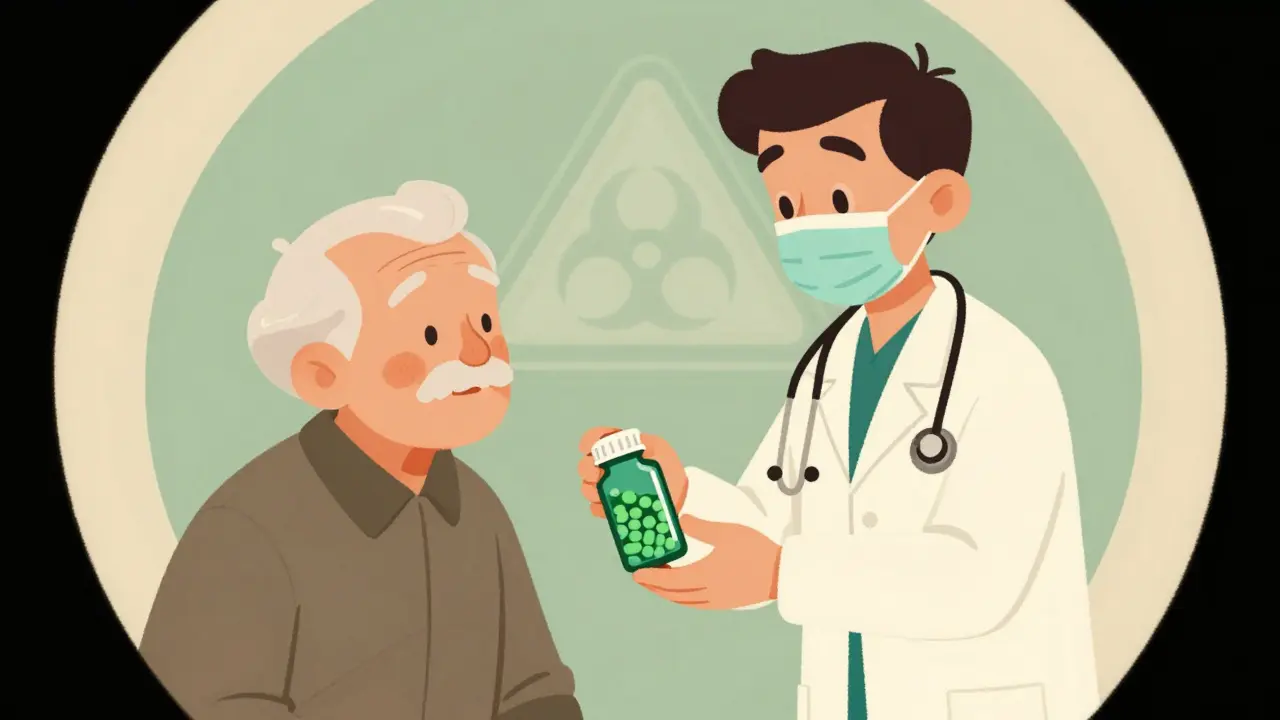
If you are on these medications, you need to know what to look for. Doctors use the Hunter Serotonin Toxicity Criteria to diagnose the condition. This tool has 84% sensitivity and 97% specificity, making it highly reliable. You do not need to have every symptom, but the presence of specific combinations is a red flag.
Watch for these early warning signs:
- Tremor: Shaking hands or limbs that won't stop.
- Hyperreflexia: Overactive reflexes, such as a knee jerk that kicks out violently when tapped.
- Mental Status Changes: Sudden agitation, anxiety, or confusion.
- Clonus: Rhythmic, involuntary muscle contractions, often in the ankles.
In a study of reported cases, tremor was the most frequent symptom (78.2%), followed by hyperreflexia (63.4%). If you experience these symptoms shortly after starting a new antiemetic, do not ignore them. Contact your healthcare provider immediately. Time is critical because the condition can deteriorate rapidly.
Safety Strategies: Mitigating Risk Without Sacrificing Care
Does this mean you should never take ondansetron if you are on an antidepressant? No. The benefits of controlling severe nausea often outweigh the risks. However, you must approach the combination with caution and strategy.
First, consider alternatives. Dexamethasone, a corticosteroid, is highly effective for nausea and lacks any serotonergic activity. For patients on multiple serotonergic agents, switching to dexamethasone can eliminate the interaction risk entirely.
If you must use a 5-HT3 antagonist, dosage adjustments matter. The American Society of Health-System Pharmacists recommends a 50% dose reduction of ondansetron when combined with strong CYP2D6 inhibitors like fluoxetine. This simple step can keep drug levels within a safer range.
Newer options are also emerging. Palonosetron, a second-generation 5-HT3 antagonist, binds to receptors differently than ondansetron. Research published in the Journal of Clinical Psychopharmacology showed that switching from ondansetron to palonosetron reduced serotonin syndrome risk by 63.2% in patients on SSRIs. Ask your doctor if this alternative is appropriate for your case.
Finally, monitor closely. If you start a new antiemetic, check in with yourself daily for the first week. Note any changes in mood, sleep, or physical coordination. Share this information with your pharmacist and doctor. They can adjust your regimen before a minor side effect becomes a medical emergency.
Can ondansetron cause serotonin syndrome on its own?
It is highly unlikely. Expert reviews indicate that 5-HT3 antagonists alone rarely cause serotonin syndrome. The vast majority of cases involve a combination with other serotonergic agents like SSRIs, SNRIs, or MAOIs. However, in rare instances of extreme overdose or unique metabolic profiles, single-agent toxicity has been theorized but is not the standard clinical presentation.
What should I do if I suspect serotonin syndrome?
Seek immediate medical attention. Stop taking all serotonergic medications if advised by a medical professional. Treatment typically involves supportive care, hydration, and possibly cyproheptadine, a serotonin antagonist, which serves as the first-line antidote. Benzodiazepines may also be used to control agitation and muscle spasms.
Are there safer antiemetics for patients on antidepressants?
Yes. Dexamethasone is a non-serotonergic option that is effective for nausea. Palonosetron is another alternative that has shown a lower risk profile compared to ondansetron in recent studies. Always consult your doctor to choose the best option based on your specific medical history and current medications.
How long does serotonin syndrome last?
With prompt treatment, symptoms usually resolve within 24 to 72 hours after discontinuing the offending drugs. The duration depends on the half-life of the medications involved and the severity of the initial overdose. Mild cases may improve faster, while severe cases requiring ICU care can take several days to stabilize.
Does age increase the risk of this interaction?
Yes. Adults over 65 are disproportionately affected. Age-related declines in liver and kidney function slow drug metabolism, leading to higher serum concentrations of both antiemetics and antidepressants. Additionally, older adults are more likely to be on multiple medications, increasing the complexity of potential interactions.