Medication Edema Risk & Safety Checker
Step 1: Medication Check
Select any medications you are currently taking.
Step 2: Symptom Red Flags
Check if you experience these specific warning signs.
Assessment Result
Select your medications and symptoms above to see your risk profile and recommended actions.
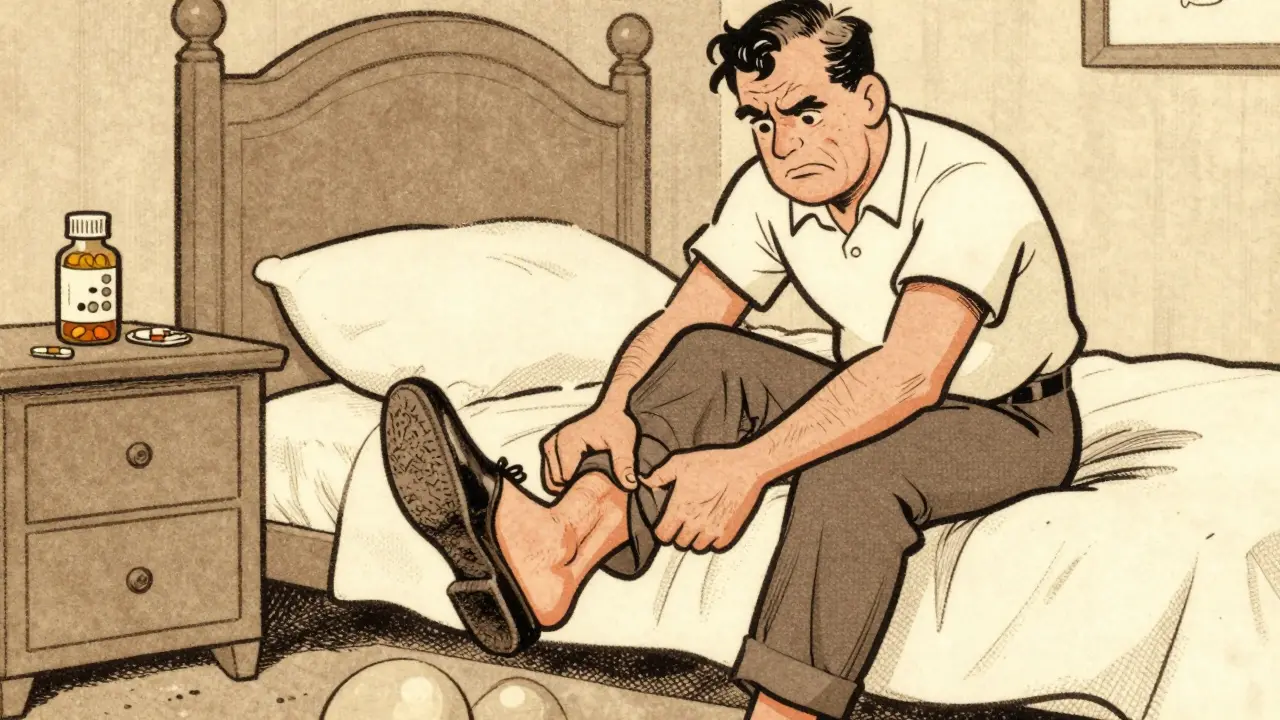
Your ankles look like they’ve been stuffed with cotton. Your shoes feel two sizes too tight. You press your thumb into your shin, and it leaves a dent that stays there for minutes. If you’ve recently started a new prescription, this isn’t just gravity doing its job-it’s likely medication-related edema, or fluid retention caused by drugs.
It is frustrating, uncomfortable, and surprisingly common. About 4.4 million people in the United States deal with swelling triggered specifically by their medications every year. While often benign, ignoring it can mask serious heart or kidney issues. Knowing which pills cause this, how to manage the puffiness, and exactly when to call your doctor can save you from unnecessary panic-and potentially prevent a hospital visit.
The Usual Suspects: Medications That Cause Swelling
Not all drugs affect fluid balance the same way. Some are notorious for trapping water in your tissues, particularly in the legs and feet (pedal edema). If you are taking any of these, keep a close eye on your limbs.
- Calcium Channel Blockers: Drugs like Amlodipine (Norvasc) are blood pressure staples. However, they cause peripheral edema in 10-20% of users. The higher the dose, the worse the swelling; 10mg daily affects about 25% of patients, compared to 15% on 5mg.
- Diabetes Medications: Thiazolidinediones such as Pioglitazone (Actos) retain significant fluid in 4-8% of patients. Rosiglitazone (Avandia) runs even higher at 7-10%. These drugs work on receptors that signal the kidneys to hold onto salt and water.
- Pain Relievers (NSAIDs): Regular use of ibuprofen or naproxen causes mild edema in roughly 3% of users. They reduce blood flow to the kidneys, causing sodium retention.
- Steroids: Corticosteroids like prednisone cause fluid retention in 20-30% of patients taking doses above 20mg daily for more than two weeks.
- Nerve Pain Drugs: Gabapentin (Neurontin) leads to edema in 8% of patients at standard doses (900-1,800mg), while pregabalin (Lyrica) affects about 6%.
- Hormonal Therapies: Oral contraceptives with ethinyl estradiol cause mild swelling in 5-7% of users. Hormone replacement therapy affects 10-15% of postmenopausal women.
| Medication Class | Common Examples | Approximate Incidence Rate |
|---|---|---|
| Calcium Channel Blockers | Amlodipine, Nifedipine | 10-25% |
| Corticosteroids | Prednisone, Dexamethasone | 20-30% (high dose) |
| Thiazolidinediones | Pioglitazone, Rosiglitazone | 4-10% |
| Anticonvulsants | Gabapentin, Pregabalin | 6-8% |
| NSAIDs | Ibuprofen, Naproxen | ~3% |
Is It Just the Meds? Differentiating Benign vs. Dangerous Swelling
Here is the tricky part: swelling is a symptom, not a diagnosis. While your amlodipine might be the culprit, your body could also be signaling heart failure, kidney disease, or a blood clot. You need to know the difference between "annoying side effect" and "medical emergency."
Benign medication edema usually presents as bilateral (both legs) pitting swelling that worsens throughout the day and improves overnight after sleeping. It typically starts gradually over weeks. If you stop the offending drug, the swelling resolves within days to weeks.
Dangerous pathological edema looks different. Congestive heart failure causes bilateral swelling but is accompanied by shortness of breath, especially when lying flat (orthopnea) or walking (dyspnea on exertion). Kidney disease, specifically nephrotic syndrome, causes massive leg swelling along with foamy urine due to protein loss. Liver cirrhosis leads to ascites (fluid in the abdomen) alongside leg swelling.
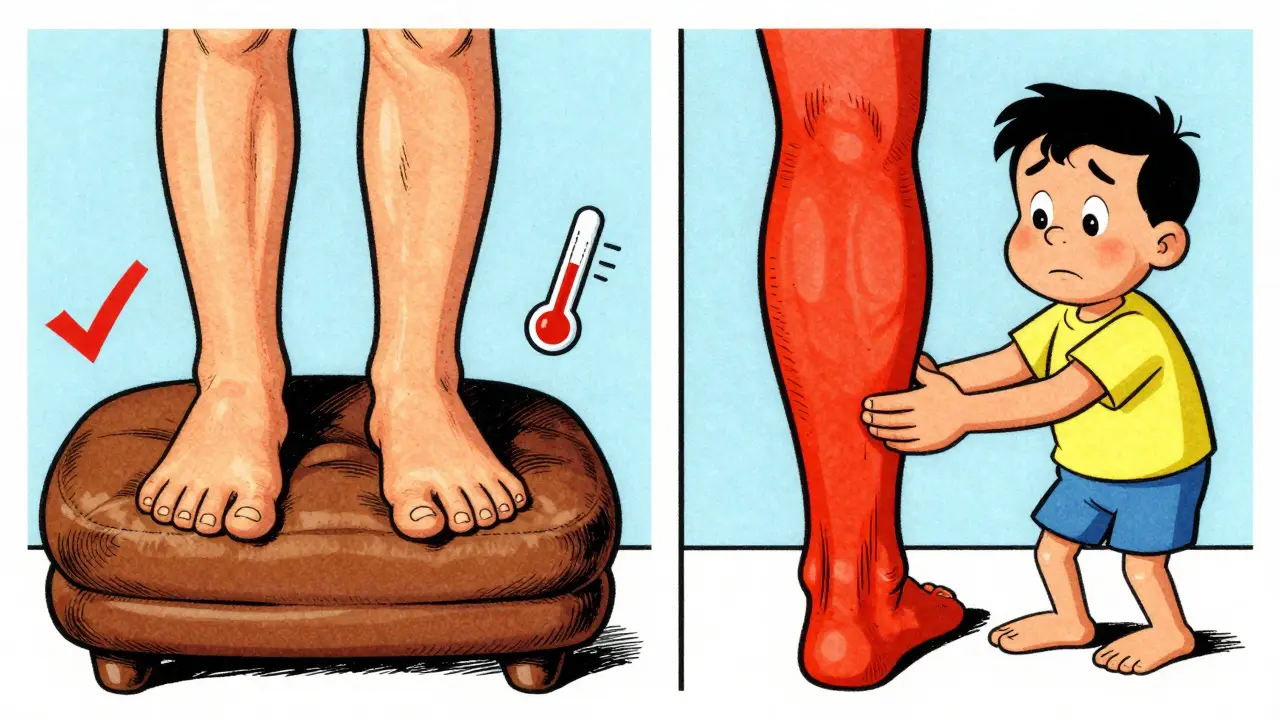
Most critically, Deep Vein Thrombosis (DVT) presents with unilateral swelling-one leg significantly larger than the other. If one calf is swollen, red, warm, and painful, do not assume it is your medication. This is a blood clot risk requiring immediate attention.
When to Worry: Red Flags That Demand Action
You don’t need to panic at the first sign of puffiness, but you should act if you notice these specific warning signs. Dr. Mark A. Danchenko, a cardiologist at Johns Hopkins, notes that any new-onset bilateral edema in a patient on blood pressure meds warrants an evaluation of heart function if breathing changes occur.
- Rapid Weight Gain: Gaining more than 5% of your body weight in a month, or 2.2 pounds (1kg) in a single day, indicates significant fluid retention. This is a major red flag for heart strain.
- Breathing Difficulties: If you feel winded climbing stairs, wake up gasping for air, or cannot lie flat without propping yourself up, the fluid may be moving into your lungs (pulmonary edema).
- Unilateral Swelling: As mentioned, swelling in only one leg suggests a blockage (like a clot) rather than a systemic medication side effect.
- No Improvement Overnight: Medication edema usually subsides slightly after elevation during sleep. If your legs remain rock-hard and swollen in the morning, consider lymphedema or venous insufficiency.
- Skin Changes: Redness, warmth, or open sores on the swollen areas indicate infection or severe vascular compromise.
Managing Swelling Without Stopping Your Meds
Before you toss your prescription, try these evidence-based management strategies. Many patients find relief without changing their core treatment plan.
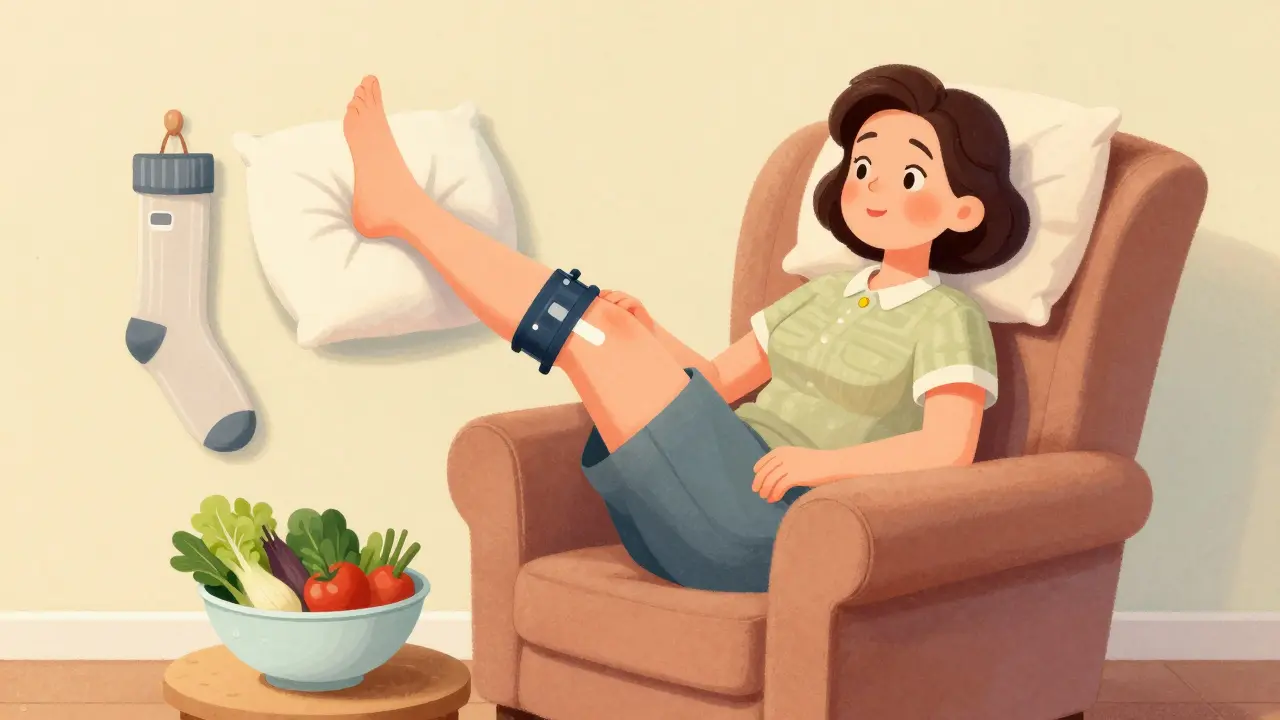
Elevation is key. The American Heart Association recommends elevating your legs above heart level for 15-20 minutes, four times a day. This uses gravity to drain fluid back toward the core. Clinical data shows this can reduce ankle circumference by 1.5cm within 48 hours.
Compression stockings work. Graduated compression socks with 20-30 mmHg pressure reduce edema volume by 30% within a week. Put them on first thing in the morning before swelling builds up. Avoid using them if you have severe arterial disease, as they can restrict blood flow further.
Watch your sodium. Salt holds water. Restricting sodium to less than 2,000mg daily produces measurable reduction in edema within 72 hours. This means cutting out processed foods, canned soups, and adding less salt at the table. Most people fail here because hidden sodium keeps average intake near 3,400mg despite efforts.
Move your muscles. Sitting still allows fluid to pool. Simple calf raises while standing or walking around every hour helps pump fluid back up through the veins.
Talking to Your Doctor: Switching Strategies
If lifestyle changes don’t help, or if the swelling is affecting your quality of life, it is time to revisit your prescription. Do not stop taking essential medications like blood pressure or diabetes drugs abruptly.
For hypertension, doctors often switch patients from calcium channel blockers to ACE inhibitors (like lisinopril) or ARBs (like losartan). These classes rarely cause edema and can sometimes counteract the swelling if used in combination. One patient on Reddit reported switching from amlodipine to losartan resolved their shoe-fitting issue in two weeks.
For diabetes, if pioglitazone causes problematic fluid retention, physicians may switch to SGLT2 inhibitors (like empagliflozin), which actually promote fluid excretion through urine and offer heart benefits.
In some cases, adding a low-dose diuretic (water pill) like hydrochlorothiazide can offset the fluid retention from calcium channel blockers. This is a common and effective clinical tactic.
Monitoring Your Progress
Keep a simple log. Weigh yourself daily at the same time, ideally after using the bathroom but before eating. Track your weight trends. A steady increase correlates with fluid gain. Take photos of your legs weekly to visually track changes. Note any correlation between missed doses, increased activity, or dietary slips and your swelling levels. This data is invaluable when discussing adjustments with your healthcare provider.
How long does it take for medication-induced edema to go away?
If you stop the offending medication, swelling typically begins to improve within a few days and resolves completely within 1 to 2 weeks. However, if the swelling has been present for months, it may take longer for the tissues to fully recover their elasticity.
Can drinking more water help reduce swelling?
Counterintuitively, yes. Dehydration can cause your body to hoard water. Maintaining adequate hydration helps your kidneys flush out excess sodium and waste. However, if you have heart or kidney failure, your doctor may impose fluid restrictions, so always follow their specific advice.
Is gabapentin swelling permanent?
No. Gabapentin-induced edema is reversible. It occurs in about 8% of patients and usually resolves after discontinuing the drug or lowering the dose. It is not associated with permanent tissue damage unless ignored for very long periods leading to skin breakdown.
Why does amlodipine cause swelling in my ankles?
Amlodipine dilates the small arteries (arterioles) in your legs more than the veins. This increases pressure in the capillaries, forcing fluid out into the surrounding tissues. Gravity then pulls this fluid down to the lowest point-your ankles and feet.
Should I wear compression socks if I have diabetes?
Only with medical approval. Diabetics often have peripheral neuropathy (loss of sensation) and arterial disease. Compression socks can cause ulcers if they are too tight or if you cannot feel pressure points. A doctor must check your circulation before recommending them.