Medication Safety Checklist
Prepare for Your Appointment
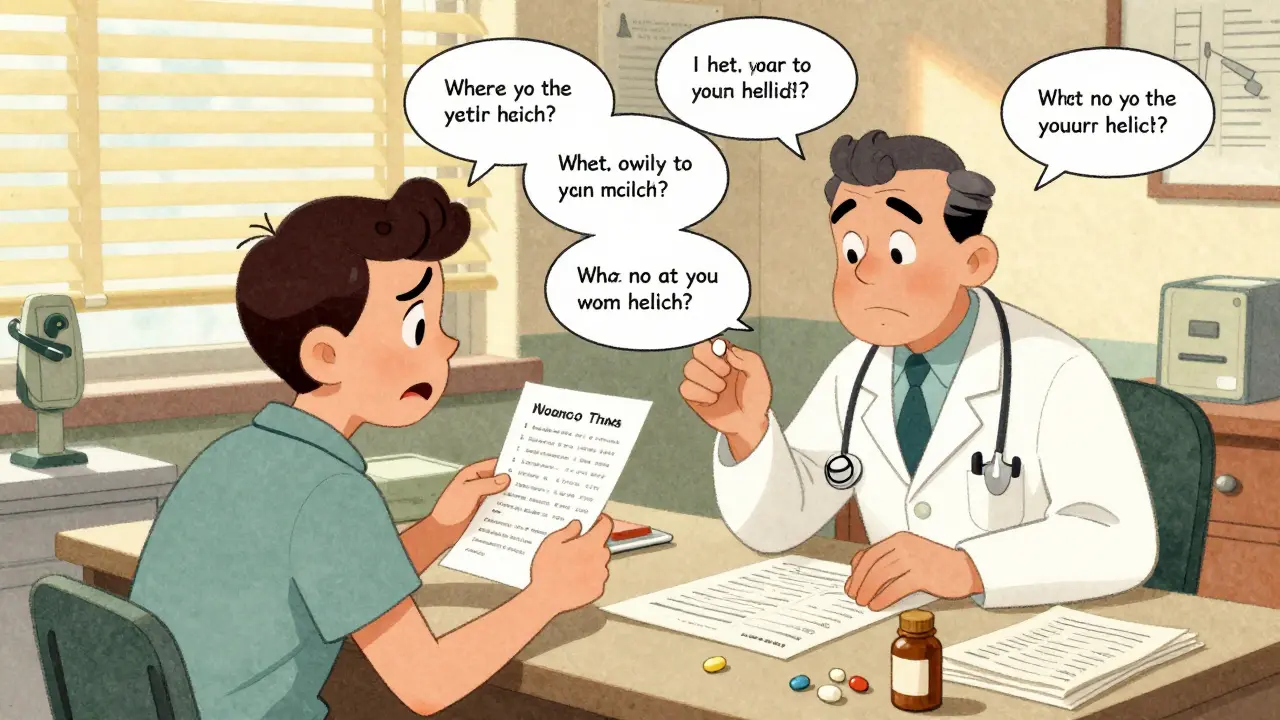
Write down your questions before your next doctor visit. This tool helps you track which questions you've asked and what to do if you experience side effects.
Add Your Medications
Your Questions Checklist
Ask these 5 essential questions at your next appointment:
Side Effect Guide
Seek immediate help if:
- Difficulty breathing
- Chest pain
- Swelling
- Confusion or severe drowsiness
- Unusual bleeding
If you experience a side effect:
- Write down what happened, when it started, and severity
- Call your doctor within 24 hours
- For severe symptoms, go to urgent care or call emergency services
More than half of all medication errors happen because patients don’t ask the right questions. It’s not that doctors aren’t willing to explain - it’s that most people walk into an appointment feeling rushed, confused, or afraid to sound like they’re challenging their doctor. But asking about side effects isn’t just a good idea. It’s a safety habit that can keep you out of the hospital.
Why You Need to Ask About Side Effects
Every year, over 1.3 million people in the U.S. end up in the emergency room because of bad reactions to medications. Many of those cases are preventable. A 2022 study in JAMA Internal Medicine found that patients who asked clear, specific questions about their meds had 22% fewer serious side effects. That’s not luck. That’s communication.
In Australia, the National Prescribing Service (NPS) started pushing a simple five-question framework back in 2018. It wasn’t just for older adults - though they’re at higher risk - it was for anyone taking more than one medicine. If you’re on five or more prescriptions, your chance of a bad reaction jumps significantly. And if you’re over 65, that risk is even higher. The goal isn’t to scare you. It’s to give you power.
Five Essential Questions to Ask Your Doctor
These aren’t just random questions. They’re the ones backed by clinical data, hospital protocols, and real patient outcomes. Write them down before your appointment. Bring them with you.
- Why am I taking this medicine? Sounds basic, right? But a 2023 Medscape report found that 12.4% of patients couldn’t even name what their pill was for. If you don’t know why you’re taking it, how can you tell if it’s working - or if it’s causing harm?
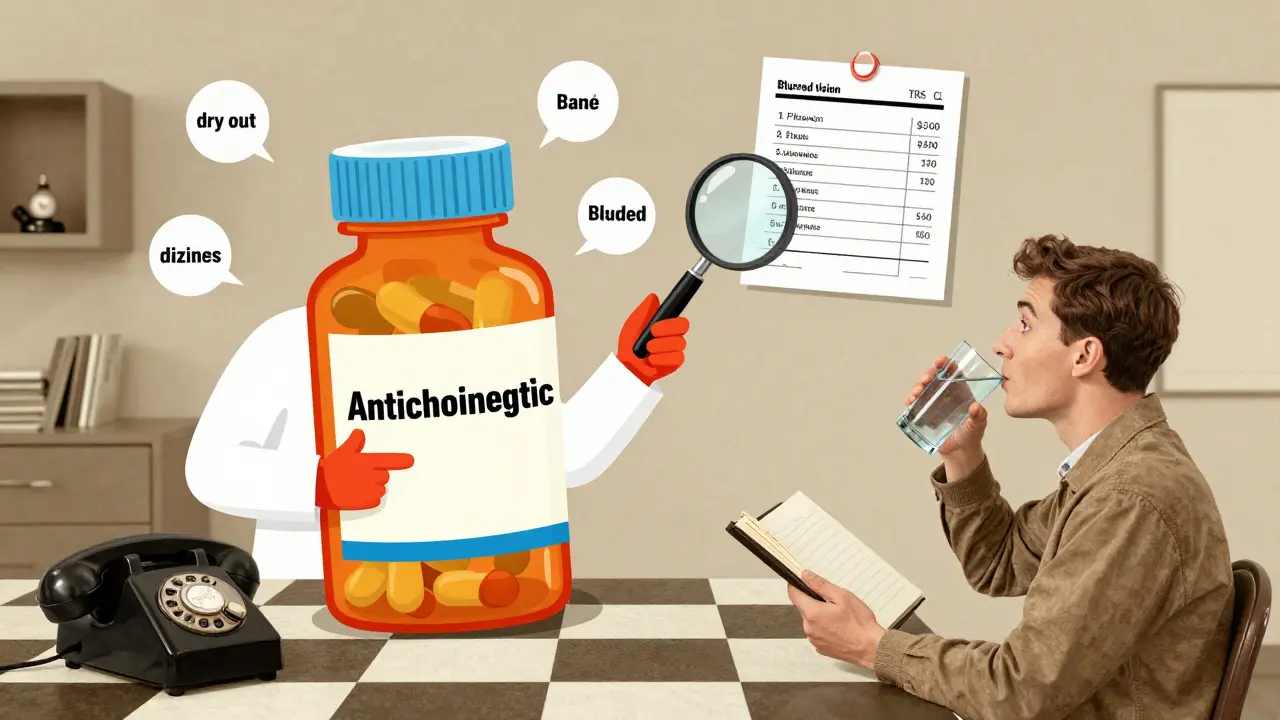
- What are the side effects? Don’t accept a vague answer like “some people feel a little dizzy.” Ask for the most common ones. For example, if you’re on an anticholinergic drug (common for allergies, depression, or overactive bladder), dry mouth affects nearly 39% of users. Dizziness? That’s 29%. Knowing what to expect helps you spot problems early.
- What can I do about side effects? This is where most people stop asking. But here’s the secret: many side effects can be managed. If your stomach hurts from metformin, take it with food. If you’re dry-mouthed from an antihistamine, sip water constantly and avoid caffeine. Ask for practical fixes - not just warnings.
- Are there alternatives? The Beers Criteria lists 56 medications that are risky for older adults. Some are still prescribed because they’re cheap or familiar. But there might be safer options. For example, instead of diphenhydramine (Benadryl) for sleep, melatonin or cognitive behavioral therapy might work better - and without the brain fog.
- Do I still need to take this medicine? About 15% of prescriptions in older adults are continued long after they’re needed. Maybe your blood pressure improved. Maybe your pain is gone. Maybe the original reason doesn’t apply anymore. Regularly reviewing your meds - not just starting them - is part of good care.
What Counts as a Serious Side Effect?
Not every weird feeling means you need to rush to the ER. But you need to know when to act. The FDA defines serious side effects as those that cause:
- Death (0.03% of reported cases)
- Life-threatening situations (0.7%)
- Hospitalization (4.2%)
- Disability (1.8%)
- Birth defects (0.5%)
If you’re on blood thinners and start bleeding unusually - nosebleeds that won’t stop, bruising without injury - that’s a red flag. If you’re on an antidepressant and suddenly feel worse, or have thoughts of self-harm, that’s urgent. Don’t wait until your next appointment. Call your doctor or go to urgent care.
Other Critical Questions You Might Not Think to Ask
There’s more to medication safety than just side effects. Here are five more questions that can save you from avoidable mistakes:
- What’s the name of this medicine - brand and generic? Many patients don’t know the difference. A generic version might save you 89% in cost and work just as well. Ask if your prescription can be switched.
- Should I take this with food or on an empty stomach? About 40% of medications interact with food. Some need fat to absorb. Others cause nausea if taken without eating. Get the details.
- Could this interact with other drugs or supplements I’m taking? A 2022 NEJM study showed ibuprofen can double your bleeding risk if you’re on warfarin. Even over-the-counter stuff like St. John’s Wort or melatonin can interfere. List everything - including vitamins, herbal teas, and CBD.
- Will this make any of my other conditions worse? For example, beta-blockers can hide low blood sugar in diabetics. Anticholinergics can worsen glaucoma or urinary retention. Your doctor needs to know your full health picture.
- What should I do if the medicine looks different? Pill color, size, or shape changing isn’t always a mistake - but it could be. One in 80 prescriptions gets filled wrong. If your pill looks odd, call your pharmacy before taking it.
How to Prepare for Your Appointment
Most doctors spend the first 7 minutes of a visit making medication decisions. If you’re not ready, you’ll miss your chance.
- Write down your questions before you go. People who do this are more than twice as likely to ask them.
- Bring a list of every medicine you take - including doses and times. Include over-the-counter drugs, supplements, and even herbal remedies.
- Bring someone with you if you can. A second set of ears helps you remember what was said.
- Ask for written info - brochures, printed sheets, or links to trusted sites like NPS or MedlinePlus.
One study found that patients who kept an updated medication list within 48 hours of any change had 43% fewer errors during hospital transfers. That’s huge.
What If Your Doctor Dismisses Your Concerns?
It happens. A 2023 survey showed 41% of patients felt their side effect concerns were ignored - especially with antidepressants, where sexual dysfunction affects up to 73% of users but is rarely discussed. If your doctor brushes you off:
- Ask for clarification: “Can you explain why you think this isn’t related?”
- Request a referral to a pharmacist. Pharmacists spend more time on meds than doctors do. One 2023 study found 87% of patients rated pharmacist counseling as better than doctor advice.
- Get a second opinion. Your health isn’t negotiable.
Technology Can Help - But Don’t Rely on It Alone
New tools are emerging. AI apps like Medisafe can scan your meds and predict side effects with 83% accuracy. The VA’s MyHealtheVet portal now prompts veterans with personalized questions before appointments. Telehealth has made it harder to spot physical signs like swelling or rashes - and patients ask 38% fewer questions during virtual visits.
Use tech as a helper, not a replacement. No app can replace talking to your doctor. But a good app can remind you what to ask.
Final Thought: You’re Not Being Difficult - You’re Being Smart
Asking questions doesn’t mean you don’t trust your doctor. It means you’re taking responsibility for your own health. The system isn’t perfect. Medication errors cost the U.S. healthcare system $290 billion a year. But when patients speak up, things change.
Next time you get a new prescription, don’t just take it. Ask. Write it down. Follow up. You’re not just protecting yourself - you’re helping make healthcare safer for everyone.
What should I do if I experience a side effect I didn’t expect?
Don’t ignore it. Write down what happened - when it started, how bad it is, and if anything made it better or worse. Call your doctor or pharmacist within 24 hours. If it’s severe - like trouble breathing, chest pain, swelling, or confusion - go to urgent care or call emergency services. Don’t wait. Many serious reactions can be stopped if caught early.
Can side effects show up weeks after starting a medication?
Yes. Some side effects appear slowly. For example, weight gain from antipsychotics or mood changes from statins can take weeks or months. That’s why it’s important to check in with your doctor regularly, even if you feel fine. Don’t assume everything is okay just because you haven’t had problems yet.
Is it safe to stop a medication if I think it’s causing side effects?
Never stop a prescribed medicine without talking to your doctor first. Some drugs, like blood pressure meds or antidepressants, can cause dangerous withdrawal effects if stopped suddenly. Instead, report the side effect and ask if you can taper off safely or switch to something else.
Why do some people get side effects and others don’t?
It depends on your age, genetics, liver and kidney function, other medications, and even your diet. Older adults are more sensitive because their bodies process drugs slower. Some people have genetic variations that make them metabolize certain drugs too quickly or too slowly. That’s why personalized medicine - matching drugs to your body - is becoming more common.
Should I ask my pharmacist instead of my doctor?
Absolutely. Pharmacists are medication experts. They know interactions, dosing, storage, and side effects better than most doctors. Many pharmacies offer free 10-minute consultations when you pick up a new prescription. Use them. Ask your pharmacist the same questions you’d ask your doctor - and don’t be afraid to ask twice.
What if I can’t afford the medication because of side effects?
Side effects shouldn’t force you to choose between health and cost. Talk to your doctor about cheaper alternatives, generic versions, or patient assistance programs. Many drug manufacturers offer free or low-cost meds for people who qualify. Your pharmacist can help you find these programs - they often have access to databases you don’t.
Next Steps: What to Do Right Now
Don’t wait for your next appointment. Take action today:
- Open your medicine cabinet. Write down every pill, capsule, or patch you take - including vitamins and supplements.
- Match each one to a condition. If you can’t explain why you’re taking something, write “?” next to it.
- Choose one medication that worries you. Write down the five essential questions and bring them to your next visit.
- Call your pharmacy. Ask if they offer a free medication review. Most do.
- Download a free app like Medisafe or MyTherapy. Use it to track side effects and set reminders.
Medication safety isn’t about being perfect. It’s about being prepared. One conversation could prevent a hospital stay. One question could save your life.


Comments
Pharmacokinetic variability is a major confounder in adverse drug reaction epidemiology. CYP450 polymorphisms, particularly CYP2D6 and CYP2C19, significantly alter metabolic clearance rates-leading to either toxic accumulation or subtherapeutic exposure. This is why pharmacogenomic screening is increasingly recommended for polypharmacy patients, especially those over 65.
Additionally, the Beers Criteria update in 2023 expanded the list of potentially inappropriate medications for older adults to include anticholinergics like oxybutynin and chlorpheniramine. The risk-benefit ratio must be re-evaluated annually.
Non-adherence due to unreported side effects remains underdiagnosed. Studies using electronic pill bottles show 38% of patients discontinue meds without clinician notification.
So let me get this straight 🤔… doctors are too busy to explain meds, but we’re supposed to just ‘ask questions’? 😂 Meanwhile, Big Pharma is paying them to prescribe these things. 🤑 I’ve been on 7 meds since 2020 and my ‘doctor’ just nods and says ‘trust the science.’ 🤷♀️ #PharmaLobby #IWantMyMoneyBack
Man I wish I knew this stuff 10 years ago. I took that stupid statin for years and never asked why. Ended up with muscle pain so bad I couldnt walk. Then they just upped the dose. Like what the actual f. You dont just push through pain like its a gym workout. My body was screaming and I was too scared to say anything. Lesson learned. Ask the damn questions.
In India, we have this problem too-people buy antibiotics over the counter without prescriptions. My aunt took 3 different painkillers for a month because the local shopkeeper said it was 'good for inflammation.' She ended up with gastric ulcers. This post should be translated into 10 Indian languages and posted in every pharmacy.
You know what's worse than side effects? People who think they know more than their doctor because they read one article on WebMD. I've seen this so many times. You don't know what you're talking about. Just take the pill.
I’ve been tracking my meds since 2021-every dose, every side effect, every time I felt weird. I keep a spreadsheet. I print it. I bring it. I highlight the red flags. My doctor now says, ‘Oh, you’re the one with the binder.’ I don’t care if I seem obsessive. I’m alive.
Actually, the JAMA study you cited? Flawed. They didn't control for socioeconomic status. Patients who ask questions are usually better educated, have better access, and get more attention. The causality is inverted. It's not the questions that reduce side effects-it's the privilege behind them.
i just take whatever the doc gives me. if i feel weird i just stop. no big deal. why make it so complicated?
America’s healthcare system is a joke. You’re supposed to ask all these questions but your appointment lasts 7 minutes and the doctor’s already on their next patient. Meanwhile, the insurance company won’t cover the generic because it’s ‘not on formulary.’ And now you’re paying $400 for a pill that costs $12 in Canada. This isn’t healthcare-it’s a scam.
The notion that patients should be ‘empowered’ to question their physicians is a bourgeois fantasy. Most people lack the medical literacy to parse pharmacokinetic data. The real solution is not asking more questions-it’s having better-trained, less-overworked clinicians who proactively explain. Blaming patients for not being medical experts is the height of institutional laziness.
Pharmacists are the real MVPs. I always ask them first now. They catch interactions my doctor missed. One time they told me my fish oil was making my blood thinner way too strong. Saved me from a stroke.
This is so helpful! I just started a new med and was nervous but didn’t know what to ask. Now I’m printing out the 5 questions and taking them with me. Also, I’m going to ask my pharmacist for a free review-I didn’t even know they did that!
It is imperative that patients be apprised of the potential pharmacological ramifications associated with polypharmacy. The concomitant use of multiple agents necessitates a comprehensive medication reconciliation protocol, ideally performed by a clinical pharmacist, to mitigate iatrogenic harm.
While the sentiment is commendable, the pedagogical approach is overly simplistic. The complexity of pharmacogenomics, drug-drug interactions, and individual metabolic variance cannot be adequately addressed through a five-question framework. Such reductionism risks fostering misplaced confidence in patients who are not equipped to interpret nuanced clinical data.