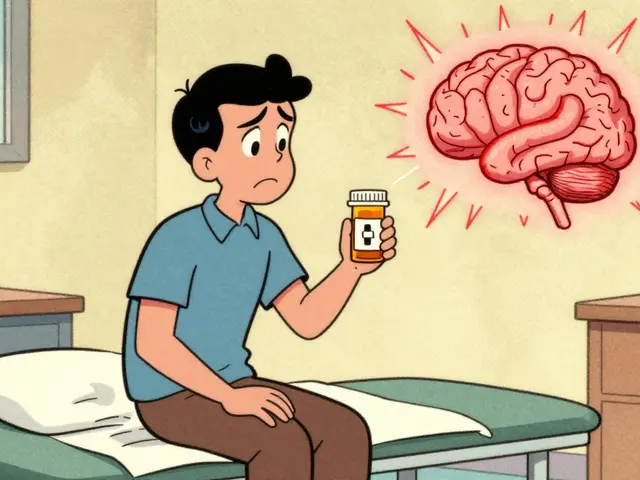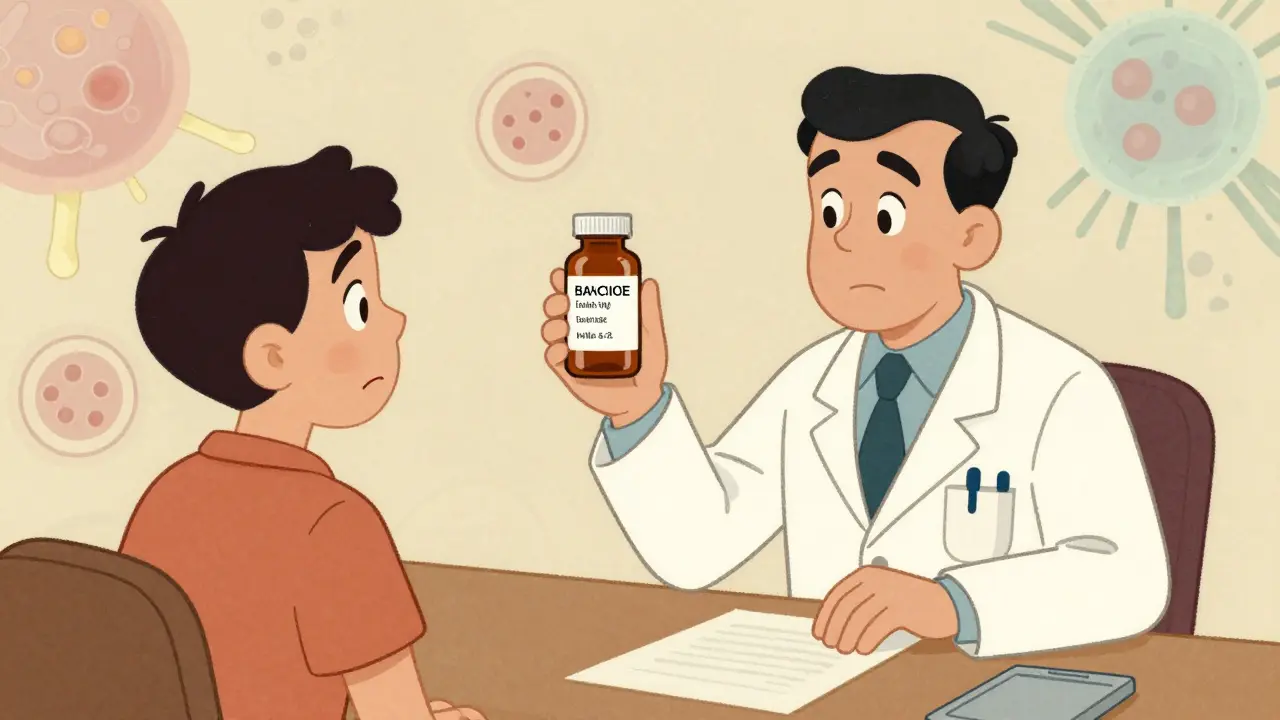
Imagine you’ve been taking a specific medication for years. It works. You trust it. Then your doctor suggests switching to a new version of the same drug. The name is different. The manufacturer is different. But the active ingredient? Basically the same. And the price tag? Significantly lower. This isn’t science fiction. It’s the reality of biosimilars, and it’s reshaping how we think about medication costs.
If you’re trying to understand why your prescription bill might change or why your doctor is recommending a switch, you’re not alone. The world of biologics is complex, but the concept of biosimilars is straightforward once you strip away the jargon. They are high-quality alternatives to expensive biologic drugs that offer substantial savings without compromising safety or efficacy. Let’s break down what they are, how they differ from generics, and what this means for your wallet and your health.
What Exactly Is a Biosimilar?
To get biosimilars, we first need to understand biologic drugs. Unlike traditional pills made through chemical synthesis, biologics are large, complex molecules produced inside living cells-think yeast, bacteria, or animal cells. Drugs like insulin, monoclonal antibodies (such as Humira or Remicade), and growth hormones fall into this category. Because they are grown rather than built, even tiny changes in the manufacturing process can alter the final product slightly.
This complexity is why you cannot have an exact copy of a biologic. Enter the biosimilar. A biosimilar is a medical product that is highly similar to an already approved reference biologic. There are no clinically meaningful differences between them regarding safety, purity, and potency. The U.S. Food and Drug Administration (FDA) requires extensive testing-including structural analysis, animal studies, and clinical trials-to prove this similarity. It’s not a guess; it’s a rigorous scientific validation.
The key takeaway here is equivalence in outcome. If the reference drug lowers inflammation in rheumatoid arthritis, the biosimilar does the same. If the reference drug stimulates white blood cell production after chemotherapy, the biosimilar matches that performance. The slight molecular variations allowed in biosimilars do not translate to different effects in the body.
Biosimilars vs. Generics: Why the Distinction Matters
You’ve likely heard of generic drugs. When a patent expires on a small-molecule drug (like ibuprofen or metformin), other companies can make identical copies. These generics are chemically identical to the brand-name original. They are interchangeable at the pharmacy level, often resulting in 80-85% cost savings.
Biosimilars work differently because of their biological origin. Since they are derived from living organisms, they cannot be exact duplicates. Think of it like wine. Two bottles of Chardonnay from the same vineyard in consecutive years will taste nearly identical, but they won’t be molecule-for-molecule the same due to weather, soil, and fermentation nuances. In contrast, two bottles of distilled water are exactly the same. Biologics are the wine; small-molecule drugs are the water.
| Feature | Generic Drug | Biosimilar |
|---|---|---|
| Origin | Chemical synthesis | Living cells (yeast, bacteria) |
| Complexity | Small, simple molecules | Large, complex proteins |
| Copy Type | Exact chemical copy | Highly similar, not identical |
| Approval Pathway | Abbreviated (proves bioequivalence) | Rigorous (proves biosimilarity via "totality of evidence") |
| Typical Savings | 80-85% | 15-30% initially, potentially more with competition |
| Substitution | Automatic at pharmacy (usually) | Requires physician involvement in most states |
This distinction matters for substitution rules. In many U.S. states, pharmacists cannot automatically swap a biologic for a biosimilar unless it has "interchangeable" status. As of late 2023, only a handful of biosimilars held this designation. For most others, your doctor must explicitly prescribe the biosimilar. This adds a layer of conversation between you and your provider, which is actually beneficial for ensuring you understand the treatment plan.

The Real Impact on Medication Costs
Let’s talk money. Biologic drugs are notoriously expensive. A single month of Humira, a popular treatment for autoimmune diseases, could cost over $7,000 before insurance. When biosimilars entered the market, they disrupted this pricing model. For example, when Humira biosimilars launched in 2023, list prices were approximately 35% lower than the reference product. While your out-of-pocket cost depends heavily on your insurance plan, these reductions ripple through the entire healthcare system.
A study by the RAND Corporation projected that biosimilars could save the U.S. healthcare system billions of dollars annually. However, actual savings vary. In Europe, where adoption rates are higher, biosimilars captured up to 84% of the filgrastim market within three years. In the U.S., market penetration has been slower due to factors like patent litigation and payer contracting practices. Still, the trend is clear: as more patents expire and more biosimilars launch, competition drives prices down.
For patients, this means potential relief from financial toxicity-the stress and hardship caused by high medical bills. The Arthritis Foundation’s 2022 survey found that 72% of biosimilar users noted lower out-of-pocket costs as a primary benefit. That’s not just a statistic; it’s the difference between staying on a life-changing therapy or skipping doses due to cost.
Safety and Efficacy: Addressing Common Concerns
It’s natural to hesitate when switching medications. "If it ain’t broke, don’t fix it," right? But the data supports biosimilars. The FDA’s Center for Drug Evaluation and Research states unequivocally that biosimilars are as safe and effective as their reference products. This isn’t marketing speak; it’s based on decades of post-marketing surveillance, particularly in Europe where biosimilars have been used since 2006.
One common concern is immunogenicity-the risk that your immune system might react to the drug. Critics worry that slight differences in biosimilars could trigger antibodies. However, major studies like the NOR-SWITCH trial published in *The Lancet* showed no increased risk of immunogenicity with biosimilars compared to reference products. Dr. Gary Lyman of the Fred Hutchinson Cancer Research Center confirmed in a 2022 editorial that biosimilars demonstrate equivalent efficacy and safety profiles across thousands of patients.
That said, transparency is key. Some experts, like Dr. Almut Winterstein at the University of Florida, caution that while single switches are well-studied, multiple switches between reference products and biosimilars require monitoring. This doesn’t mean biosimilars are unsafe; it means healthcare providers should be aware of your full treatment history. Always discuss any concerns with your doctor. They can explain the specific evidence behind the biosimilar they recommend.

How to Navigate the Switch
So, you’re considering a biosimilar. What should you do? First, educate yourself. Resources like the FDA’s "Biosimilars Basics for Patients" guide and the Biosimilars Council’s toolkit provide reliable information. Don’t rely solely on manufacturer ads, which may emphasize cost over clinical context.
Second, have an open conversation with your healthcare provider. Ask questions:
- Why are you recommending this specific biosimilar?
- What does the research say about its effectiveness for my condition?
- How will my insurance cover it compared to the reference product?
- Are there any known side effects I should watch for?
Third, check with your insurer. Coverage policies vary. The Inflation Reduction Act of 2022 has helped by reducing Medicare Part D cost-sharing for biosimilars to 25% starting in 2024, but private plans differ. Understanding your deductible and copay structure beforehand prevents surprises.
Finally, monitor your response. Keep a symptom diary for the first few weeks after switching. Note any changes in effectiveness or side effects. Most patients report no difference in how they feel, but being proactive ensures you catch any issues early. Remember, you are an active participant in your care team.
The Future of Biosimilars
The landscape is evolving rapidly. The global biosimilars market was valued at $9.3 billion in 2022 and is projected to reach $33.3 billion by 2028. More approvals are coming. High-revenue biologics like Stelara (ustekinumab) face pending biosimilar applications. Additionally, the rise of "biobetters"-next-generation biologics with improved properties-adds another layer of choice. These aren’t just cheaper copies; they’re enhanced versions that may compete directly with both reference products and standard biosimilars.
Regulatory frameworks are also adapting. The 12-year data exclusivity period for reference biologics under the Biologics Price Competition and Innovation Act (BPCIA) has seen reforms, shortening protection for some products to seven years. This accelerates market entry for competitors, driving further innovation and cost reduction.
As we move toward 2026 and beyond, expect biosimilars to become even more mainstream. With proper education and transparent communication between patients and providers, they represent a powerful tool for making essential therapies accessible and affordable. You don’t have to choose between quality and cost anymore. Biosimilars offer a path forward where both are preserved.
Are biosimilars as safe as brand-name biologics?
Yes. Regulatory agencies like the FDA and EMA require rigorous testing to prove that biosimilars are highly similar to reference products with no clinically meaningful differences in safety, purity, or potency. Decades of use in Europe and growing data in the U.S. support their safety profile.
Can my pharmacist automatically switch my biologic to a biosimilar?
Generally, no. Unlike generic small-molecule drugs, most biosimilars require a physician's prescription to substitute. Only those designated as "interchangeable" by the FDA can be substituted automatically in states that allow it, but even then, many states mandate physician notification or consent.
How much cheaper are biosimilars?
Initially, biosimilars typically offer 15-30% cost savings compared to reference biologics. As competition increases with more entrants, prices can drop further. Actual patient savings depend on insurance coverage, but list price reductions significantly impact overall healthcare spending.
Will switching to a biosimilar affect how well my medication works?
Clinical trials and real-world evidence show that biosimilars have equivalent efficacy to reference products. Studies involving thousands of patients confirm that outcomes, such as disease control in rheumatoid arthritis or cancer remission, remain consistent when switching.
What should I do if I experience side effects after switching?
Contact your healthcare provider immediately. While serious adverse events are rare, it’s important to rule out whether symptoms are related to the medication or underlying condition. Your doctor can assess your situation and determine if continuing the biosimilar, returning to the reference product, or trying a different therapy is best.