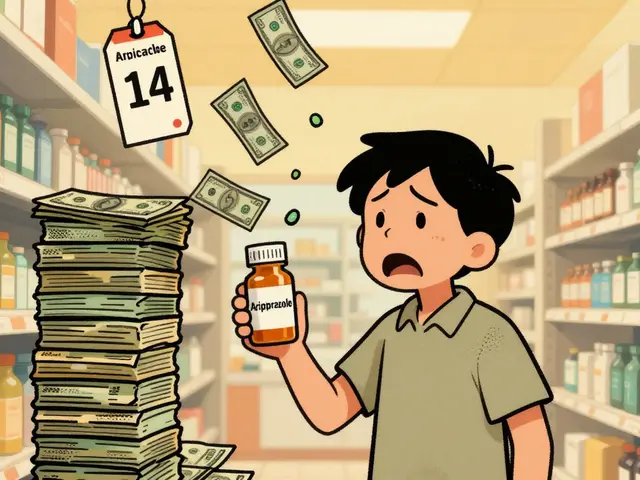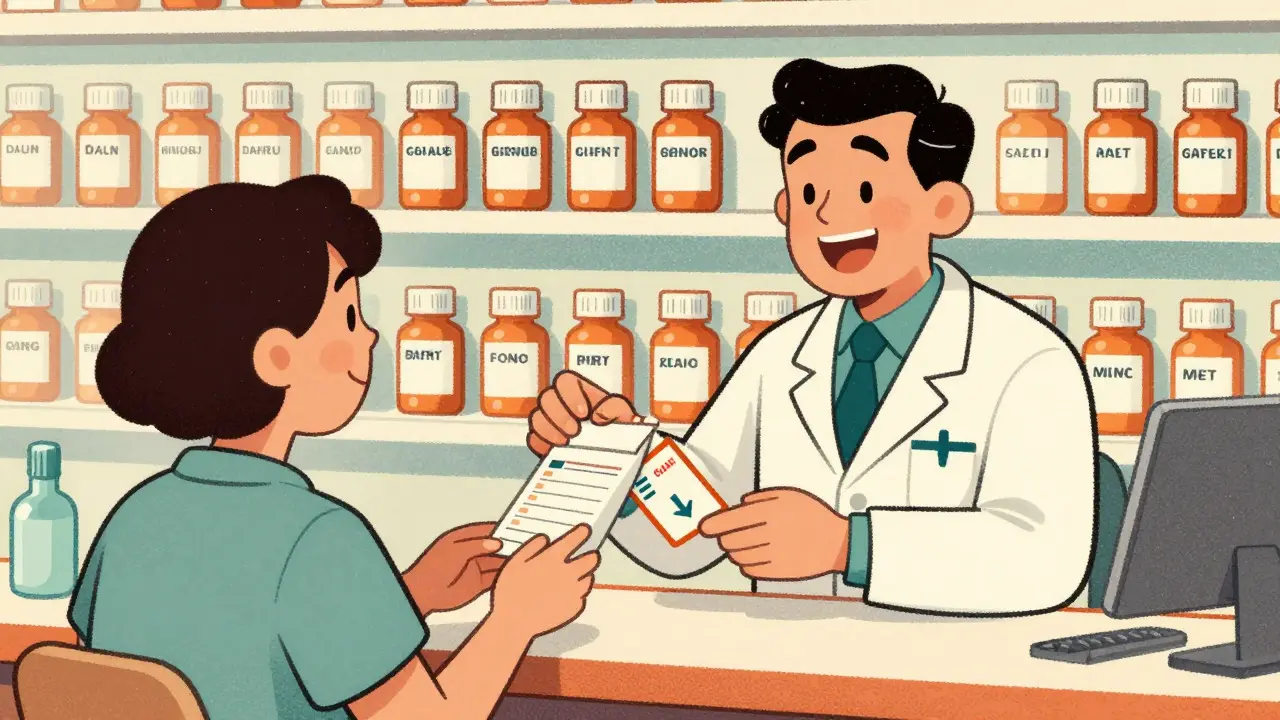
Did you know that the first time a generic drug hits the market, prices for that medication can drop by at least 20% within just one year? If five different manufacturers enter the race, that price decline can reach nearly 85%. These aren't just numbers on a spreadsheet; they represent billions of dollars saved by patients every single year. But getting to that point isn't always smooth sailing. Sometimes, big pharmaceutical companies try to keep generics out of the picture through legal maneuvers or questionable deals. This is where antitrust laws step in.
The core problem in generic markets is simple: branded drug makers want to protect their profits, and sometimes they use the system against us. Antitrust laws exist to ensure that once a patent expires, the market opens up fairly. Without these rules, the cost of everyday medications like blood pressure pills or cholesterol statins could remain sky-high long after innovation has been rewarded. Understanding how these laws work helps you see why your prescription costs what it does and who is watching over the process to keep things fair.
The Foundation: The Hatch-Waxman Act
To understand modern generic competition, you have to look back to 1984. That's when the U.S. passed the Hatch-Waxman Act, formally known as the Drug Price Competition and Patent Term Restoration Act. Before this law, bringing a generic drug to market was incredibly difficult and expensive because manufacturers had to prove safety and efficacy from scratch. The Act created a streamlined path called the Abbreviated New Drug Application (ANDA). This allows generic makers to rely on the original brand-name data, cutting development time and costs significantly.
This balance was crucial. It gave innovators enough patent protection to recoup R&D costs while ensuring that cheaper alternatives would follow. The result has been massive. In 1984, only 19% of prescriptions were filled with generic drugs. By 2016, that number soared to 90%. Between 2005 and 2014 alone, consumers saved $1.68 trillion. In 2012, those savings hit a record $217 billion. The Federal Trade Commission (FTC) has been a key player in monitoring this ecosystem, ensuring that the streamlined approval process doesn't get gamed by anti-competitive behavior.
How Patents and the Orange Book Fit In
When a company develops a new drug, they file patents. To compete, a generic manufacturer must check the FDA's 'Orange Book,' which lists all approved drugs and their associated patents. When filing an ANDA, the generic maker must certify their position against each listed patent. There are four paragraphs, but Paragraph IV is the most critical for antitrust purposes. A Paragraph IV certification means the generic maker believes the patent is invalid or won't be infringed. This triggers a lawsuit from the brand-name company, which is often a strategic move to delay entry.
If the generic wins or settles, the first entrant gets 180 days of exclusivity. This period is designed to reward the first challenger. However, the line between legitimate patent defense and anti-competitive delay is thin. For example, in 2003, the FTC took action against Bristol-Myers Squibb for improperly listing patents in the Orange Book just to block generics. Such cases highlight that simply having a patent isn't enough; how you use it matters legally.
The Pay-for-Delay Problem
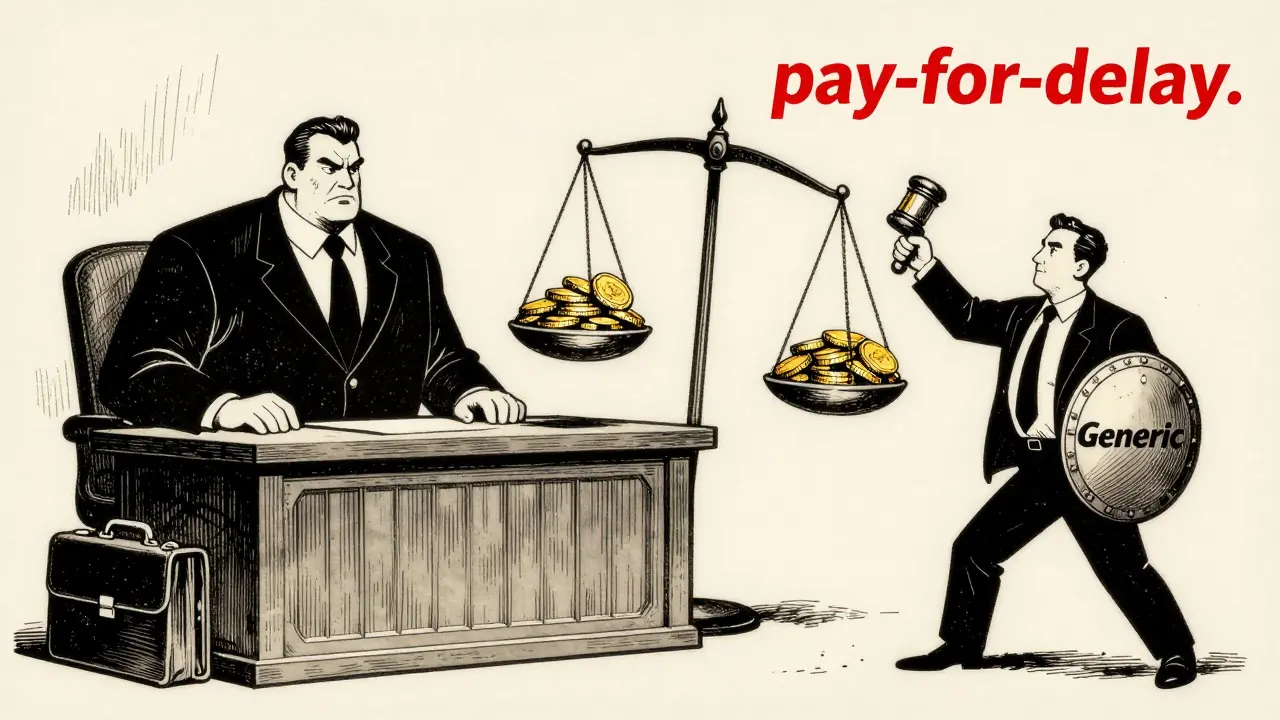
One of the biggest controversies in pharmaceutical antitrust is the 'pay-for-delay' agreement. This happens when a brand-name company pays a generic competitor a large sum of money to stay out of the market longer than necessary. On the surface, it looks like a settlement. But if the payment is huge and unexplained, it might actually be a bribe to maintain monopoly power.
In 2013, the U.S. Supreme Court ruled in FTC v. Actavis that these agreements can violate antitrust laws. The court decided that instead of automatically treating them as illegal per se, courts should apply a 'rule of reason.' This means judges look at whether the payment is larger than what would be needed for a reasonable settlement and whether it harms consumers. Since then, enforcement has been active. Gilead Sciences, for instance, paid $246.8 million in 2023 to settle claims that it thwarted competition for its HIV drugs. These settlements send a clear message: keeping generics out via cash payments is risky.
| Metric | Data Point | Source/Context |
|---|---|---|
| Generic Prescription Share (2016) | 90% | Up from 19% in 1984 |
| Consumer Savings (2005-2014) | $1.68 Trillion | Cumulative total |
| Price Drop (First Generic Entry) | ≥ 20% | Within one year of entry |
| Price Drop (5 Competitors) | ~85% | Total potential decline |
| Gilead Settlement (2023) | $246.8 Million | Pay-for-delay resolution |
Tactics Beyond Simple Payments
Companies don't always write checks to delay generics. They use other strategies too. One common tactic is 'product hopping.' This involves launching a slightly modified version of a drug right before the original patent expires. Doctors might switch patients to the new formula, leaving the old one behind for generics. The AstraZeneca case involving Prilosec and Nexium is a classic example here. Courts have scrutinized whether such moves genuinely benefit patients or just extend monopoly power.
Another sneaky method is the 'sham citizen petition.' Companies file petitions with the FDA claiming a generic drug isn't bioequivalent or safe, not because of real science, but to stall approval. In 2023, the FTC filed an action against Teva Pharmaceuticals regarding its multiple sclerosis drug Copaxone, alleging exactly this kind of behavior. Additionally, in the European Union, originator companies have been caught making misleading statements to patent offices to extend protection periods or withdrawing marketing authorizations strategically to block generics in specific countries.
Global Perspectives on Enforcement
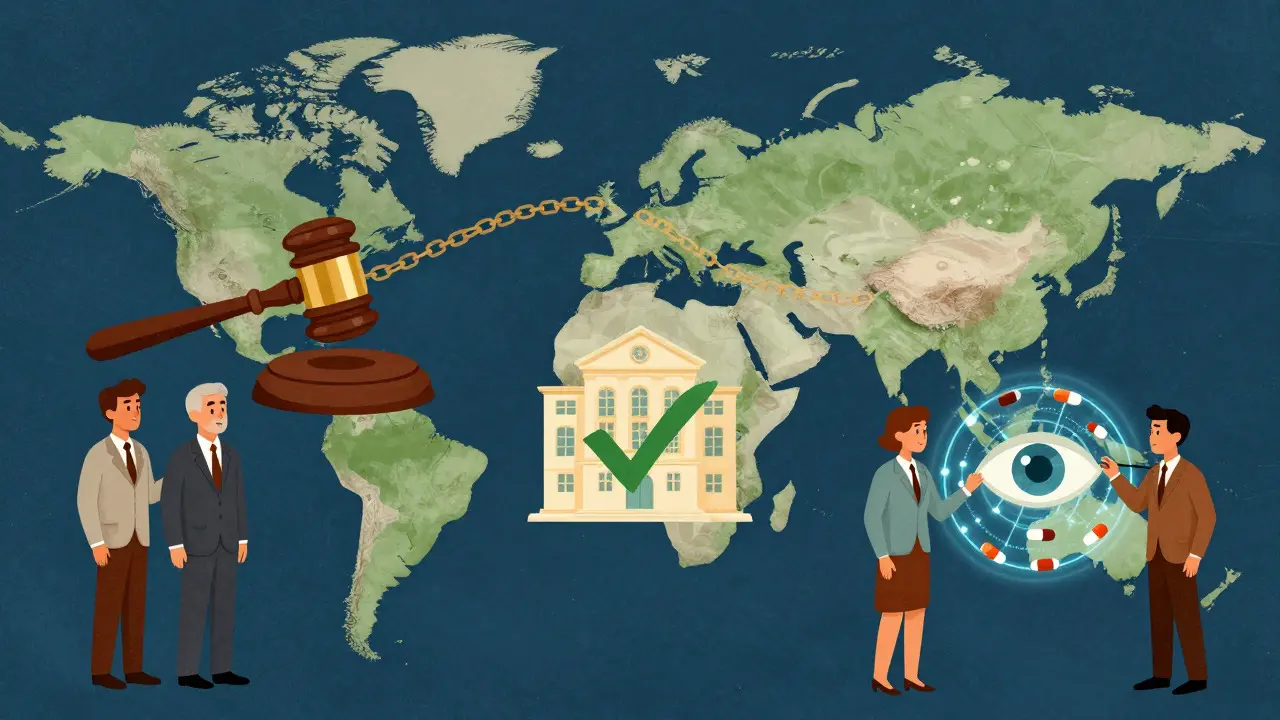
While the U.S. leads in high-profile settlements, other regions are tightening the net. The European Commission identified regulatory barriers as a major concern, noting that delays in generic entry cost European consumers €11.9 billion annually. Their strategy focuses heavily on misuse of regulatory frameworks rather than just direct payments.
China has also stepped up its game. In January 2025, China issued specific Antitrust Guidelines for the Pharmaceutical Sector. These guidelines identify five 'hardcore restrictions' presumed to violate the Anti-Monopoly Law, including price fixing and output restrictions. Interestingly, Chinese authorities are now using AI technologies to monitor pricing trends and detect collusion through digital communications. As of Q1 2025, six pharmaceutical cases had been penalized in China, primarily involving price fixing among competitors. This shows that antitrust enforcement is no longer just a Western concept; it's a global priority.
What This Means for You
So, how does this affect your wallet? The impact is direct. The Congressional Budget Office estimates that generic competition keeps prescription costs 30-90% below branded prices. When antitrust laws work well, you pay less. When they fail, you pay more. A 2022 Kaiser Family Foundation survey found that 29% of U.S. adults didn't take their medication as prescribed due to cost concerns. Every month a generic is delayed is a month you're paying premium prices for a drug that could be cheaper.
Understanding these dynamics empowers you to ask better questions. If a drug is still expensive despite patent expiration, there might be an antitrust issue at play. Patient advocacy groups are increasingly tracking these cases, and transparency is improving. The goal remains consistent: ensure that the transition from branded to generic is fast, fair, and free from artificial barriers.
What is the main purpose of antitrust laws in the pharmaceutical industry?
The primary purpose is to prevent monopolistic practices that keep drug prices artificially high. Specifically in generic markets, these laws ensure that once a patent expires, competing manufacturers can enter the market freely, driving down prices through competition.
How much do generic drugs save consumers compared to brand-name drugs?
Generics typically cost 30% to 90% less than their brand-name counterparts. The entry of the first generic alone can reduce prices by at least 20% within a year, with further drops occurring as more competitors enter the market.
What is a 'pay-for-delay' agreement?
A pay-for-delay agreement is a settlement where a brand-name drug company pays a generic competitor a large sum of money to delay the generic's market entry. While some settlements are legitimate, unusually large payments are suspected of being used to maintain monopoly power and are subject to antitrust scrutiny.
Does the FTC only enforce antitrust laws in the United States?
No. While the FTC is a U.S. agency, similar bodies exist globally. The European Commission enforces EU competition law, and China recently introduced specific antitrust guidelines for the pharmaceutical sector in 2025, indicating a global trend toward stricter enforcement.
How does the Orange Book relate to generic drug competition?
The Orange Book is an FDA list of approved drugs and their patents. Generic manufacturers must reference this list when applying for approval. Disputes often arise around the validity of patents listed here, which can lead to lawsuits that delay generic entry. Misuse of this listing process can be considered anti-competitive.