Mail-Order Pharmacy Safety Scorecard
Provider Assessment Checklist
Answer these questions based on your current mail-order pharmacy's policies and packaging.
Ready to Assess?
Select the features your pharmacy provides and click calculate to see your safety score.
Recommendations:
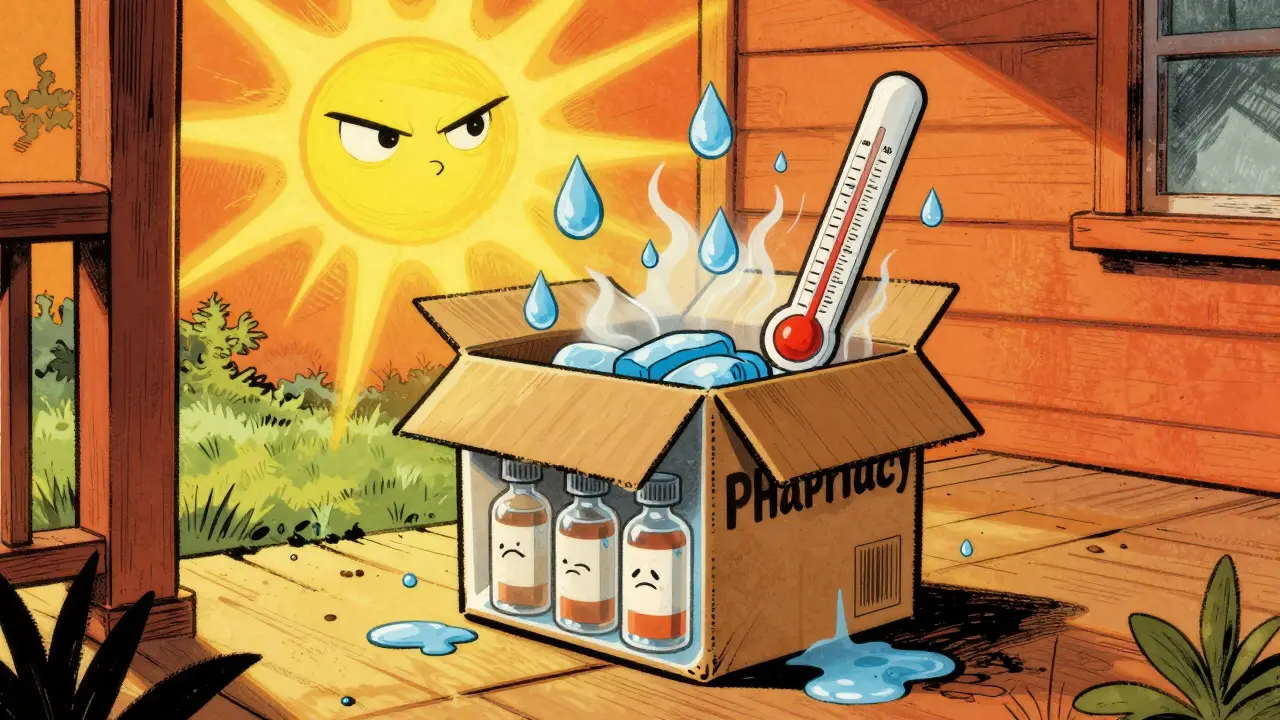
Imagine your life-saving insulin arrives at your door warm. Or worse, missing entirely because a package was left on a porch in the middle of July. For millions of people relying on mail-order pharmacies is a healthcare delivery system where prescription medications are dispensed through postal services rather than traditional retail counters, these aren't just hypothetical nightmares-they are real risks that demand attention. While convenience and cost savings drive the popularity of home delivery, the safety of your medication depends on three critical pillars: temperature control, precise timing, and robust tracking.
You might think handing your prescription over to a major pharmacy chain guarantees safety. But the journey from the pharmacist’s counter to your medicine cabinet involves complex logistics. If any link in that chain breaks, the efficacy of your drug can drop, or you could face dangerous gaps in treatment. This guide breaks down exactly how to protect yourself, what to look for in a provider, and how to spot red flags before they become health crises.
The Cold Chain: Why Temperature Matters More Than You Think
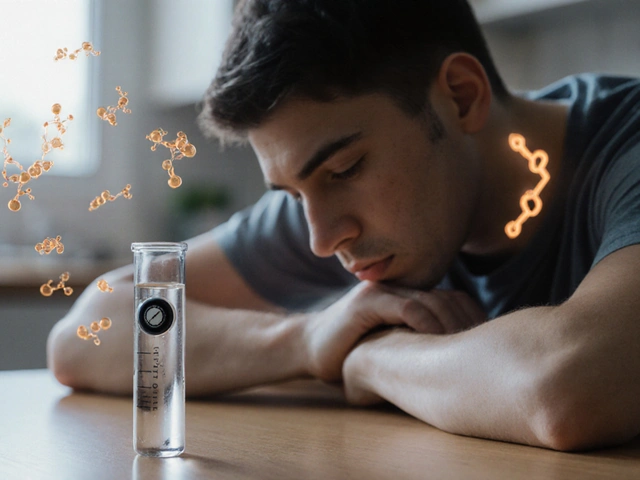
Not all pills are created equal when it comes to shipping. Simple tablets like aspirin or generic statins can handle a bit of heat. But biologics, certain antibiotics, and especially insulin require strict adherence to what experts call the "cold chain." The FDA warns that medications stored improperly without necessary temperature controls may become ineffective. For many specialty drugs, this means maintaining a range between 2°C to 8°C (36°F to 46°F) during transit.
Cold chain packaging consists of insulated containers, gel packs, and real-time temperature sensors designed to maintain drug integrity during shipping. Reputable mail-order pharmacies use insulated boxes with phase-change materials (like gel packs) that keep the internal temperature stable even if the outside box sits in a hot car or a sun-baked mailbox. However, industry data from 2023 shows that temperature excursions-where the package goes out of range-occur in approximately 3.2% of temperature-sensitive shipments. That might sound small, but if you are one of those patients, the consequences are severe.
To ensure your meds stay safe:
- Ask about monitoring: Does the pharmacy use real-time temperature tracking? Pitney Bowes guidelines recommend sensors that alert both the pharmacy and patient if temperatures spike.
- Check the packaging upon arrival: Look for tamper-evident seals. If the box looks crushed or the gel packs are dry instead of frozen, do not refrigerate the medication immediately. Contact the pharmacy first.
- Know your drug's limits: Insulin and monoclonal antibodies (like Tysabri for multiple sclerosis) are highly sensitive. If you’re unsure, ask your doctor or pharmacist for the specific storage requirements before ordering.
A striking example from a Reddit community highlighted a patient whose mail-order pharmacy’s real-time tracking detected a 36-hour temperature excursion during transit. Because the system flagged it, the patient didn’t administer compromised medication. Without that tech, she would have been at risk. This isn’t paranoia; it’s proactive care.
Timing Is Everything: Avoiding Dangerous Gaps
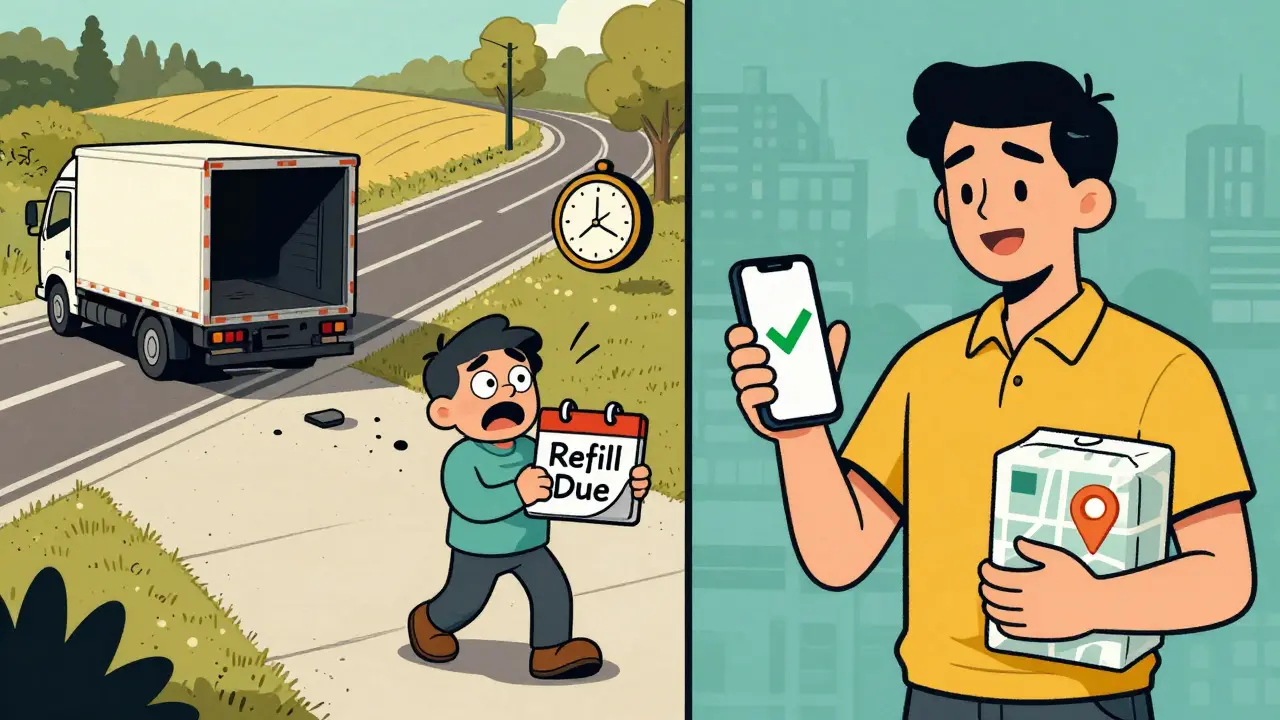
One of the biggest advantages of mail-order pharmacies is the automatic refill system. But automation has a blind spot: it assumes nothing changes. If you run out of medication two days early because you missed a dose or lost a pill, the automated system won’t know until it’s too late. GoodRx’s June 2024 guide emphasizes that patients must set up orders at least two weeks before running out to avoid dangerous delays.
Why two weeks? Shipping times vary. USPS, FedEx, and UPS each have different protocols, and rural areas often face longer transit times. In fact, mail-order pharmacies serve 38% of patients in rural areas compared to 22% in urban areas, according to the Congressional Budget Office. If you live far from a city, standard shipping might take five to seven days. Add in holidays, weather events, or carrier backlogs, and that window shrinks fast.
Here’s how to master the timing game:
- Set manual reminders: Don’t rely solely on auto-refills. Set a calendar alert for 14 days before your next expected delivery.
- Confirm before shipping: Medicare Part D plans mandate that mail-order pharmacies obtain explicit confirmation from recipients or caregivers before shipping new prescriptions. Use this step. Verify the address, the drug name, and the quantity.
- Plan for travel: If you’re going away, request an early refill. Most insurance plans allow a 7-14 day overlap for maintenance meds, but you need to ask.
Delays aren’t just inconvenient; they can be deadly for conditions like epilepsy, hypertension, or HIV. A 2023 AMCP survey found that 22% of mail-order users reported at least one instance of delayed delivery within the past year. Those delays weren’t always due to the pharmacy-sometimes they were caused by address errors or failed delivery attempts. That brings us to the third pillar: tracking.
Tracking and Security: Keeping Your Meds Out of Bad Hands
Package theft is a growing concern. Pitney Bowes estimates that 0.7% of deliveries are stolen. While that number seems low, imagine losing a month’s supply of expensive specialty drugs. Worse, controlled substances like ADHD medications or pain relievers are targets for diversion. The DEA requires additional security measures for these drugs, including delivery confirmation and restricted access points.
Prescription tracking systems provide real-time location updates, delivery confirmation, and proof of delivery to maintain full chain of custody for mailed medications. Modern systems go beyond basic “out for delivery” notifications. They offer:
- GPS-level precision: Some carriers now show the driver’s exact location.
- Photo proof: A picture of where the package was left.
- Delivery instructions: Options to leave packages behind doors, in lockers, or with neighbors.
If your pharmacy doesn’t provide detailed tracking, switch providers. Address verification systems reduce misdelivery risks by 47%, according to Pitney Bowes data, but only if integrated correctly. Make sure your pharmacy uses software like PitneyShip, which improves address accuracy to 99.2%. Also, consider using a PO Box or a secure locker service if you frequently miss deliveries.
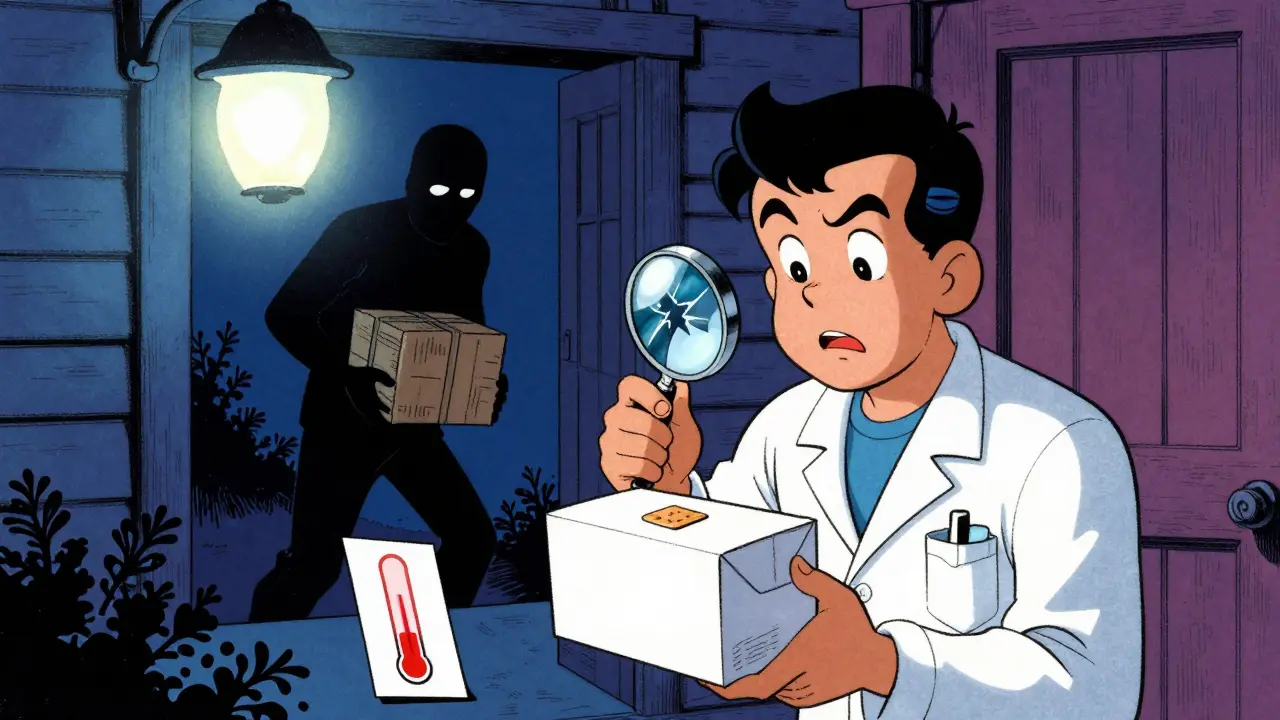
Tamper-evident packaging is mandatory for all prescription shipments under USPS and DEA standards. When your box arrives, check the seal. If it’s broken, do not accept the package. Report it immediately. This isn’t just about safety-it’s about compliance. The DEA’s 2024 compliance bulletin noted that while 87% of inspected mail-order pharmacies met cold chain requirements, 13% failed to maintain proper documentation. You deserve better than the bottom 13%.
Mail-Order vs. Retail: Which Is Safer for You?
It’s easy to assume that walking into a local pharmacy is safer because you see the pharmacist. But data tells a more nuanced story. The Academy of Managed Care Pharmacy (AMCP) reports that dispensing error rates are actually lower at mail-service pharmacies than at retail ones. Why? Mail-order pharmacies specialize in high-volume, standardized processes for maintenance medications. They have fewer distractions and more time per script.
However, there are trade-offs. A 2014 NIH study found that mail-order pharmacy use was associated with 5.8 percentage point lower rates of serum creatinine testing for patients under 65 using ACE inhibitors or diuretics. This suggests potential gaps in clinical monitoring. At a retail pharmacy, you might chat with the pharmacist about side effects. With mail-order, that interaction is digital or non-existent unless you seek it out.
| Feature | Mail-Order Pharmacy | Retail Pharmacy |
|---|---|---|
| Dispensing Errors | Lower (approx. 15% reduction) | Higher (due to volume/distractions) |
| Adherence Rates | 8-10% higher (auto-refills) | Variable (depends on patient habit) |
| Clinical Monitoring | Lower (less face-to-face contact) | Higher (easy access to pharmacist) |
| Temperature Control | Highly specialized (cold chain tech) | Standard (refrigeration available) |
| Immediate Access | Low (shipping delays possible) | High (walk-in availability) |
Mail-order pharmacies excel for chronic conditions requiring regular refills-think diabetes, hypertension, or cholesterol management. They handle approximately 35% of all maintenance medication prescriptions in the U.S. But for acute issues like infections or sudden pain, retail pharmacies remain superior. Don’t try to ship antibiotics overnight unless absolutely necessary; the timing risk is too high.
Red Flags: How to Spot an Unsafe Provider
Not all online pharmacies are created equal. The FDA’s March 2024 guidelines emphasize that reputable services must always require a doctor’s prescription, provide a physical U.S. address, and have licensed pharmacists on staff. If a site lets you buy prescription drugs without a script, run. It’s illegal and unsafe.
Look for these warning signs:
- No clear return policy: If a package is damaged or lost, who pays? Legitimate pharmacies cover replacement costs.
- Vague tracking info: “Shipped via standard mail” isn’t enough. You need a trackable number.
- Poor communication: If you can’t reach a human pharmacist or customer service rep quickly, that’s a problem. The American Pharmacists Association notes that 31% of dissatisfied users cited communication errors as their main complaint.
- Lack of accreditation: Check if the pharmacy is verified by VIPPS (Verified Internet Pharmacy Practice Sites) or NABP. Accredited pharmacies maintain 98% complete documentation records, compared to 76% for non-accredited ones.
Dr. Scott Gottlieb, former FDA Commissioner, stated in 2023 that “vigilance remains critical for biologic medications.” He wasn’t speaking rhetorically. Biologics are complex proteins that degrade easily. If a pharmacy doesn’t explain their temperature monitoring process in detail, they likely don’t have one.
Practical Steps to Secure Your Medications
You don’t need to be a logistics expert to stay safe. Just follow these steps every time you order:
- Verify the pharmacy: Use the NABP website to check if the pharmacy is accredited. Look for the VIPPS seal.
- Request cold chain details: Ask specifically, “Do you use real-time temperature sensors for my medication?” If they hesitate, find another provider.
- Use signature confirmation: For controlled substances or expensive drugs, pay the extra few dollars for adult signature required. It reduces theft risk significantly.
- Inspect upon arrival: Take a photo of the package before opening it. Check the temperature indicator (if provided). If the gel packs are warm, contact the pharmacy immediately.
- Keep a backup supply: Always have a 3-5 day buffer of medication at home. This protects you against minor shipping delays.
The U.S. mail-order pharmacy market is valued at $142.7 billion and growing. As more people adopt these services, standards will improve. McKinsey’s 2024 report predicts that IoT-enabled packaging with AI-driven delay prediction will reduce temperature excursions by 60% in the coming years. Until then, you are your own best advocate. Stay informed, stay vigilant, and never compromise on safety for convenience.
How do I know if my medication arrived at the right temperature?
Most reputable mail-order pharmacies include a temperature indicator card or a digital sensor code in the package. Check the card for color changes indicating exposure to heat. If you received a digital code, scan it to view the temperature history. If the medication feels warm or the indicator shows a breach, do not store it. Contact the pharmacy immediately for a replacement. Never guess-when in doubt, throw it out and get a new one.
Is mail-order pharmacy cheaper than retail?
Yes, typically. Express Scripts' internal analytics from 2022 showed an average patient cost savings of 32% compared to retail pharmacies. This is due to bulk purchasing power and reduced overhead costs. However, always compare prices using tools like GoodRx, as some retail chains offer competitive coupons for cash-paying customers.
What should I do if my package is stolen?
First, file a police report. Then, contact your mail-order pharmacy immediately. Most legitimate providers have insurance coverage for lost or stolen packages and will send a replacement at no cost. To prevent future theft, use signature confirmation, deliver to a PO Box, or use a secure parcel locker service.
Can I use mail-order pharmacies for controlled substances?
Yes, but with strict regulations. The DEA requires additional security measures, including delivery confirmation and blockchain-based chain of custody tracking for online pharmacies dispensing controlled substances. Ensure your pharmacy is fully compliant with 21 CFR Part 1304. Not all mail-order services handle Schedule II-V drugs, so verify availability before switching.
How long does it take for mail-order prescriptions to arrive?
Standard shipping usually takes 5-7 business days. Expedited options (2-3 days) are often available for an extra fee. Rural areas may experience longer delays. Always order at least two weeks before you run out to account for processing, shipping, and potential carrier delays.